
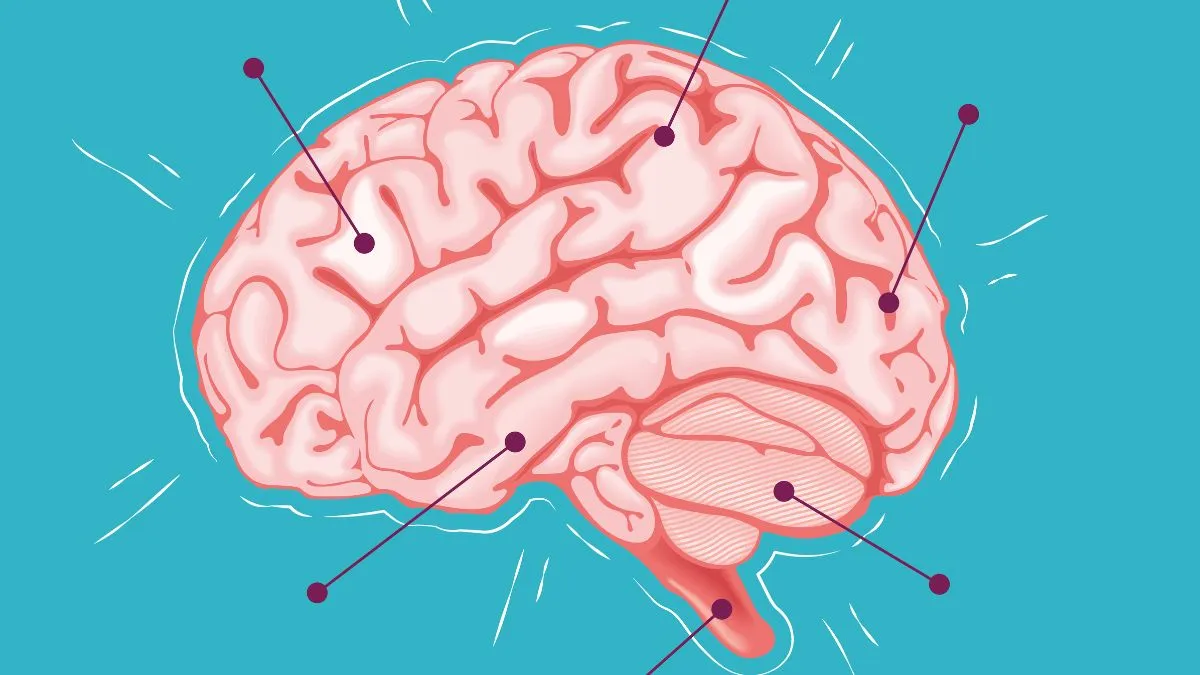
Your brain controls different functions of the body. When there’s a tumour in the brain, it can affect its functioning. Depending upon the location of the tumour, it can significantly impact different brain areas that control specific functions.
Tumours in the frontal lobe can cause personality changes and problems with movement, while those in the cerebellum may lead to balance and coordination issues. Read on to know how the location of the brain tumour affects different body functions.
How tumour location affects body functions?
Frontal Lobe: Personality, Decision Making, and Movement
Tumours in the frontal lobe can lead to changes in behaviour, mood swings, and difficulty in making decisions. Since this area also controls voluntary movements, patients may experience weakness or paralysis on one side of the body.
Parietal Lobe: Sensation and Spatial Awareness
The parietal lobe processes touch, temperature, and spatial orientation. A tumour here may cause numbness, tingling, difficulty in recognising objects, or problems with hand-eye coordination. Some patients may struggle to judge distances or become clumsy.
Temporal Lobe: Memory, Hearing, and Language
Located near the ears, the temporal lobe is responsible for auditory processing and memory. Tumours here can cause hearing issues, difficulty understanding speech, or memory lapses. In severe cases, they may cause seizures or unusual emotional responses.
Occipital Lobe: Vision
The occipital lobe at the back of the brain is responsible for sight. Tumours in this area can cause blurred vision, blind spots, or even complete loss of vision in one or both eyes.
Cerebellum: Balance and Coordination
The cerebellum regulates posture, balance, and fine motor skills. Tumours in this region may lead to dizziness, difficulty walking, loss of balance, or slurred speech.
Brainstem: Vital Functions
The brainstem controls automatic functions like breathing, heart rate, and swallowing. Tumours here are particularly dangerous because even small growths can affect life-sustaining processes.
Disclaimer: Tips and suggestions mentioned in the article are for general information purposes only and should not be construed as professional medical advice. Always consult your doctor or a dietician before starting any fitness programme or making any changes to your diet.
ALSO READ: Plant-based diet: This easy diet swap can lower the risk of heart attack, cancer, major diseases
