
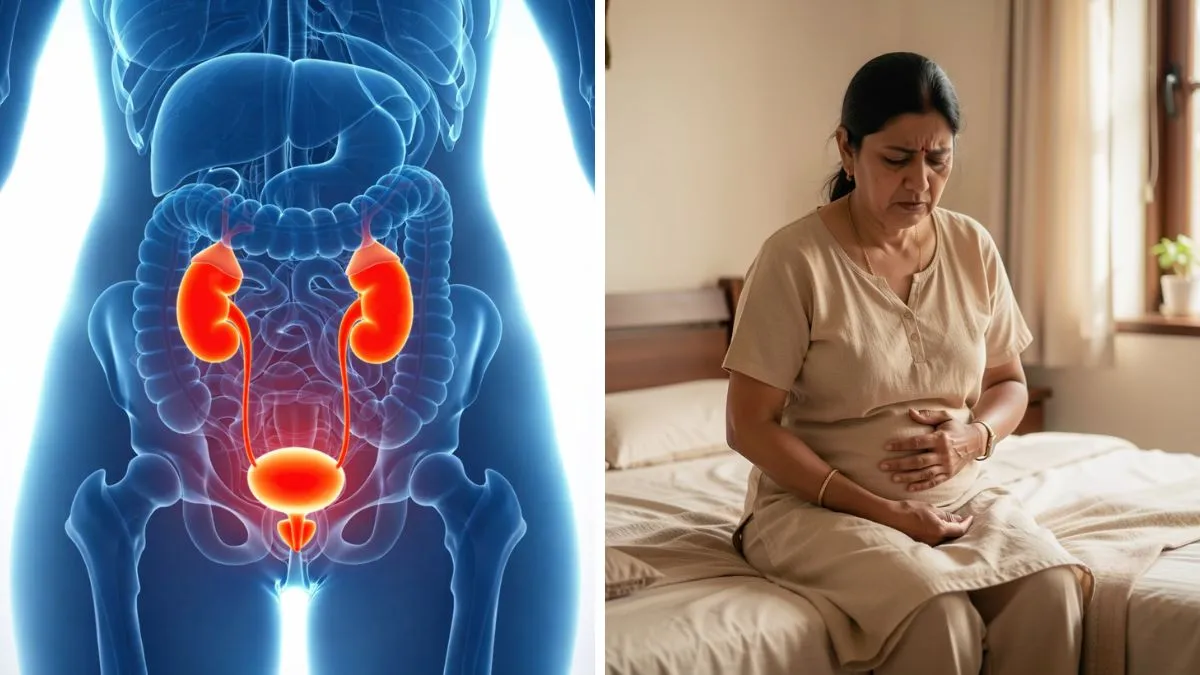
Urinary tract infections (UTIs) can affect women at any stage of life, but many notice something surprising as they approach menopause. Women who may have rarely dealt with infections earlier suddenly begin experiencing frequent burning, urgency or discomfort while urinating.
Dr Meghana Reddy Jetty, Senior Consultant - Obstetrics, Gynaecology, Laparoscopy and Aesthetic Gynaecology, Aster Whitefield Hospitals says, "This shift is not coincidental. Menopause brings hormonal and physical changes that quietly alter the body’s natural defence system, especially within the urinary and vaginal environment."
How menopause changes the urinary system
Menopause happens between the ages of 45 and 55 years and signals the end of the menstrual cycles. However, the most dramatic change that occurs during this process is the reduction in the levels of estrogen.
Estrogen is a crucial hormone in the maintenance of vaginal and urinary tract health. As the levels of the hormone decrease, the tissues become thinner, drier, and less elastic, a condition referred to as genitourinary syndrome of menopause (GSM). This makes it easier for bacteria to multiply and enter the urinary tract. Many women are not aware that the dryness, irritation, or discomfort they may be experiencing could be a precursor to infections.
Why estrogen matters for protection against infection
Healthy vaginal bacteria are the first line of defence for the body. Estrogen helps to promote beneficial bacteria like Lactobacillus, which keep the environment in the vagina acidic so that harmful bacteria such as E. coli cannot grow. As estrogen levels drop during menopause, the beneficial balance of the vagina is reduced.
The vaginal environment becomes less acidic, and harmful bacteria can easily grow and migrate towards the urethra. At the same time, the urethral lining loses thickness and strength, making irritation and infections more likely.
Tissue thinning increases vulnerability.
Dryness and tissue thinning affect more than comfort. Fragile vaginal and urinary tissues are more prone to irritation and tiny tears, particularly during sexual activity. Loss of elasticity may also impair the body’s closure mechanism of the urethra, making it easier for bacteria to enter the bladder. At this point, many women experience chronic infections without any warning symptoms.
Bladder function changes are also a factor
Hormonal changes may also affect bladder function. Urinary urgency, frequent urination, or the sensation of incomplete bladder emptying are symptoms that are often associated with menopause. The longer the urine stays in the bladder, the higher the chance for bacterial growth.
Weakening of the pelvic floor muscles due to ageing or previous childbirth is also a factor that may affect the bladder and make it prone to infection.
When UTIs become frequent
According to physicians, frequent UTIs are considered when there are two or more occurrences within six months or three or more within a year. For menopausal women, infections often become cyclical because several factors occur simultaneously, including hormonal decline, disrupted bacterial balance, tissue thinning and bladder dysfunction.
Repeated antibiotic treatment alone may not always solve the problem if underlying hormonal changes are not addressed.
Prevention and management strategies that help
- Topical vaginal estrogen therapy is often recommended because it helps restore tissue thickness and encourages the growth of protective bacteria.
- Hydration also plays a major role. Drinking sufficient water can help flush out the bacteria from the urinary tract system before the infection can develop.
- Exercises of the pelvic floor can help strengthen the support of the bladder and make the emptying of the bladder more effective.
- Probiotics can be used to rebalance the microbial levels in the body, although the findings of studies conducted on the topic are not consistent.
Women who have recurring UTIs should visit a healthcare professional to discuss treatment options. Early assessment can help determine the cause of UTIs, whether it is hormonal or structural, rather than just antibiotics.
Also read: Pain is not normal: A gynaecologist explains when period and pelvic pain need attention
Disclaimer: Tips and suggestions mentioned in the article are for general information purposes only and should not be construed as professional medical advice. Always consult your doctor or a dietician before starting any fitness programme or making any changes to your diet
