
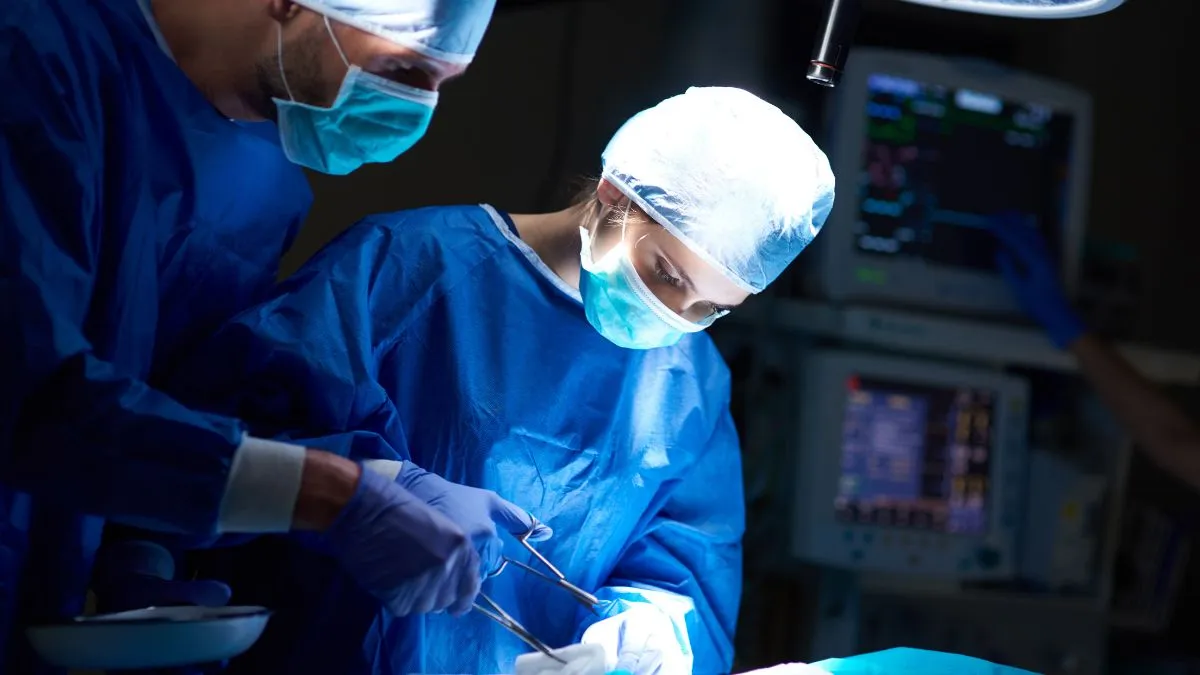
Picture yourself undergoing brain surgery, and the doctor asks you to sing your favourite song. While this may sound like something straight out of a movie, this technique is actually used in certain brain surgeries around the world. Known as awake brain surgery or awake craniotomy, the procedure allows doctors to monitor brain function in real time while removing tumours or treating epilepsy.
Contrary to what many people think, patients are not awake throughout the surgery, nor do they experience pain during the procedure. Instead, they are awakened only during the most critical part of the operation to help surgeons protect vital brain functions such as speech, movement and memory. According to neurosurgeon Dr Vishal Rokade, Senior Consultant Neurosurgeon
Sahyadri Super Speciality Hospital, Hadapsar—A network hospital of Manipal Hospitals, asking patients to sing is far more than a distraction. It serves as an important tool to guide surgeons during the operation.
What is awake brain surgery?
Most brain surgeries are performed under general anaesthesia, which means the patient remains unconscious throughout the procedure. However, when a tumour or abnormality is located near areas of the brain responsible for speech, language or movement, a different approach is used.
During an awake craniotomy, local anaesthesia is used to numb the scalp and surrounding tissues. Interestingly, the brain itself does not have pain receptors. Once the surgeon reaches the critical stage of the operation, the patient is awakened and asked to perform simple tasks while the surgery continues.
Why are patients asked to sing?
Singing activates multiple areas of the brain, including those responsible for language, hearing, memory and coordination. This makes it an ideal task for neurosurgeons to assess brain function in real time.
If a patient struggles to remember the lyrics, slurs their words or finds it difficult to continue singing when a particular area of the brain is being stimulated, the surgical team recognises that the area plays a vital role in brain function. The surgeon then avoids operating on that part of the brain. In this way, singing becomes a live map that guides surgeons throughout the procedure.
Who may need an awake craniotomy?
According to Dr Rokade, awake brain surgery is generally recommended for patients with brain tumours located near the brain's speech, language or motor centres. It is also performed in certain epilepsy surgeries and in cases where lesions are close to areas controlling movement or memory.
Patients undergoing this surgery may experience symptoms such as frequent headaches, seizures, muscle weakness, speech problems, memory loss or changes in vision. Before the procedure, MRI scans are used to identify the exact location of the affected brain tissue. In some cases, doctors also use functional MRI and tractography to map critical brain areas. During the surgery, however, it is the patient's responses that help surgeons operate with greater precision.
Is this surgery safe?
Being awake during brain surgery may sound frightening, but according to experts, the procedure is carefully planned and performed only in selected patients. Every step is explained before the operation to reduce the patient's anxiety and prepare them mentally.
The biggest advantage of awake brain surgery is its precision. Continuous feedback from the patient allows surgeons to remove the maximum amount of tumour tissue while preserving healthy brain function.
Disclaimer: Tips and suggestions mentioned in the article are for general information purposes only and should not be construed as professional medical advice.
Also read:
Acidity or kidney stones? Nephrologist explains how to spot the difference
