
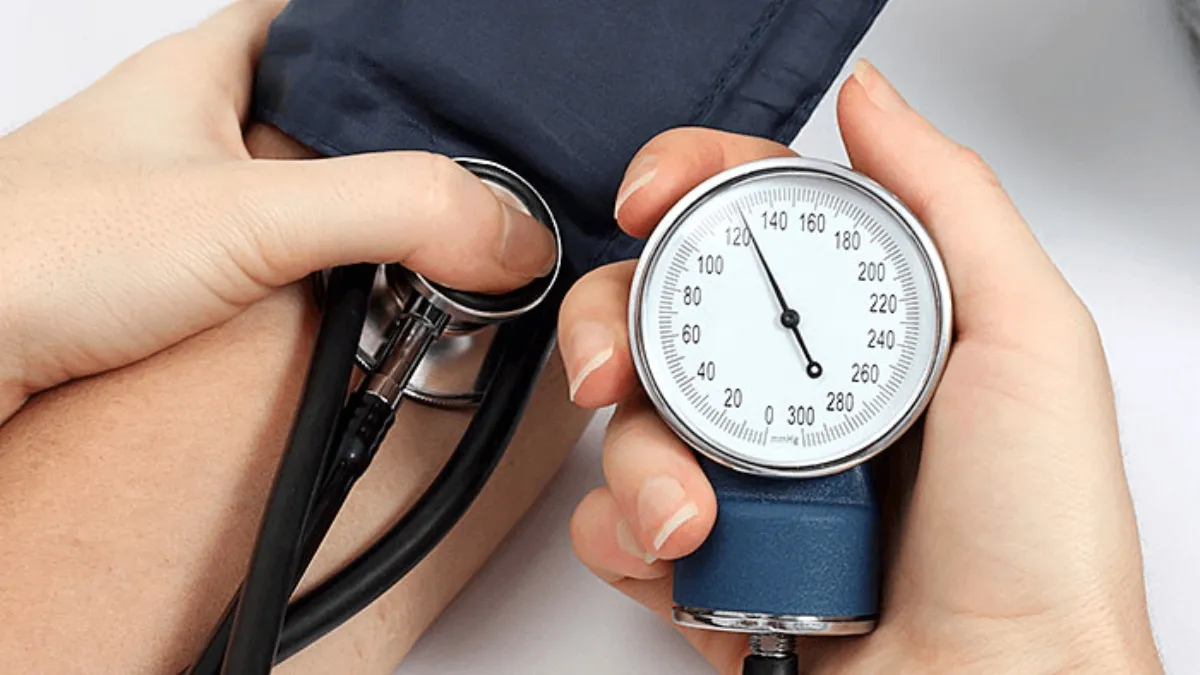
High blood pressure, or hypertension, is commonly referred to as the "silent killer" since it typically doesn't present any noticeable symptoms until significant harm has been caused to the heart, brain, or kidneys. According to the Indian Council of Medical Research (ICMR), more than 25% of Indian adults have hypertension, many of whom are undiagnosed. Although genetics and age contribute, daily lifestyle behaviours can impact blood pressure levels, often without us even realising it. Understanding and changing these habits can prevent long-term complications such as stroke, heart failure, or kidney disease.
According to Dr Aseem Dhall, Director and Head of the department of Cardiology, Indian Spinal Injuries Centre, Vasant Kunj, blood pressure is the pressure of your blood against your artery walls. When it's always too high, your heart and blood vessels have to work harder than usual, and this increases the risk of damage. Much of what we do in our daily lives, from the way we eat to the way we handle stress, can cause small but chronic increases in this pressure.
5 lifestyle habits that can spike your blood pressure
- Too Much Salt: Too much sodium is one of the main causes of high blood pressure. Processed foods, instant noodles, packaged foods, and even restaurant meals are commonly packed with hidden salt. Reducing salty foods and checking food labels can be a big help.
- Avoiding Physical Activity: A sedentary lifestyle decreases your metabolism and leads to weight gain, both of which lead to hypertension. Even small changes, such as a brisk 30-minute daily walk, can help in keeping your blood pressure under control and improve heart health.
- Excessive Caffeine Use: Although moderate coffee consumption will not hurt everyone, consuming several cups of coffee, tea, or energy beverages a day can lead to temporary increases in blood pressure. Individuals with pre-existing high blood pressure should be aware of how caffeine influences their levels.
- Poor Sleep Hygiene: Insufficient or irregular sleep patterns disrupt hormone control and stress response, both of which tend to raise blood pressure. Sleep 7–8 hours each night without interruption and have a regular sleep schedule.
- Chronic Stress and Bottled Emotions: Stress temporarily increases blood pressure as a result of releasing hormones such as cortisol. Chronic stress, if not controlled, can result in chronic hypertension over time. You should learn how to control stress using deep breathing, activities, or professional assistance.
Most of us don’t realise that our everyday choices, such as what we consume, how we sleep, or how we handle stress, can silently damage our cardiovascular well-being. Identifying these hidden contributors to high blood pressure is the first step to prevention. In the worst-case scenarios, patients may require angioplasty or bypass surgery to restore blood flow, or even dialysis if the kidneys are significantly damaged.
Doctors recommend a balanced diet, daily physical exercise, stress management strategies, and regular monitoring of blood pressure. In the long term, consistent care can decrease your risk of heart attack, stroke, or kidney failure. If lifestyle modifications are not enough, consult your doctor for medication and further evaluation. Don't let quiet habits quietly destroy your health—govern your life today.
Disclaimer: (Tips and suggestions mentioned in the article are for general information only and should not be construed as professional medical advice. Always consult your doctor or a dietician before starting any fitness programme or making any changes to your diet.)
ALSO READ: Expert explains the difference between heart attack and heart blockage
