
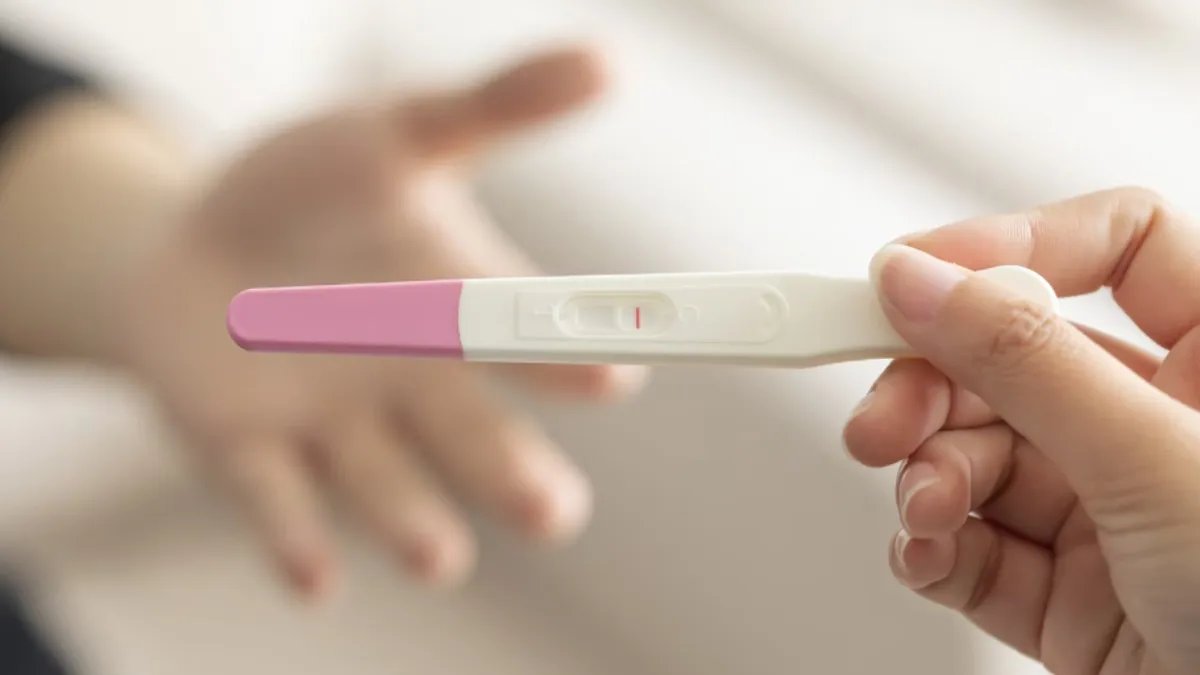
When all reports look normal, but pregnancy doesn’t happen, a hidden thyroid imbalance may be the missing link. Yes, unmanaged thyroid problems can take a toll on fertility. It is necessary to consult an expert, take care of thyroid issues, and ensure conception. Follow the vital strategies to ensure proper thyroid functioning.
Being told you have “unexplained infertility” can be emotionally taxing for couples trying to conceive. So, this term is often used when basic fertility tests, such as scans, hormone levels, and semen analysis, appear normal, yet pregnancy does not occur. While this diagnosis can feel frustrating, it does not always mean there is no cause. In many cases, the reason is not obvious. One often-missed factor is thyroid imbalance, which can quietly affect fertility in both women and men.
The invisible reason behind ‘unexplained infertility’:
According to Dr Mandavi Rai, Senior Fertility & IVF Specialist, Motherhood Fertility & IVF, Greater Noida, the thyroid gland controls metabolism and is important when it comes to balancing hormones. Even mild thyroid problems can disturb the reproductive system without showing clear symptoms. Many people with thyroid imbalance have “borderline” test results that are still marked as normal, allowing the issue to go unnoticed.
For fertility, thyroid levels often need to be in a narrower, pregnancy-optimal range. A TSH that is considered normal for general health may still interfere with ovulation, implantation or early pregnancy. Women who are struggling underactive thyroid may experience delayed ovulation and signs such as irregular periods or reduced egg quality. Thyroid imbalance can also raise the prolactin levels, a hormone that can block ovulation and cause irregular cycles, even when periods appear normal.
Thyroid hormones influence egg maturity and sperm DNA quality, meaning fertilisation and embryo development may be affected even when cycles and semen counts look acceptable.
An underactive thyroid can also affect the thickness of the uterine lining, making it challenging for a fertilised egg to implant and become pregnant.
Improper thyroid function can lower progesterone levels, increasing the risk of early pregnancy loss. Likewise, an overactive thyroid may lead to cycle irregularities and difficulty in becoming pregnant.
Furthermore, some women have autoimmune thyroid conditions even when hormone levels seem normal. These antibodies invite inflammation and interfere with implantation and early pregnancy, causing repeated failure to conceive. In men, thyroid imbalance can affect sperm count, movement, and overall quality.
This means that even when semen reports look acceptable, subtle hormonal issues may still reduce fertility potential. Stress, poor diet, iodine deficiency, iron deficiency, and untreated thyroid disorders are common in India, making thyroid-related infertility concerning.
Couples facing unexplained infertility should follow these tips:
It is suggested to get a detailed thyroid evaluation, not just basic TSH testing, check thyroid antibodies when fertility is impacted and pregnancy is delayed, manage stress through yoga, meditation, or gentle exercise, maintain an optimum weight, eat a balanced diet rich in iodine, iron, selenium, and protein, stay away from processed and canned foods, avoid self-medication, monitor menstrual cycles and ovulation patterns carefully.
Thyroid health should ideally be optimised at least 3–6 months before trying to conceive, as early pregnancy is highly sensitive to thyroid hormone fluctuations. Men are rarely screened for thyroid dysfunction during fertility evaluation, despite evidence that thyroid hormones play a role in sperm motility, morphology, and testosterone balance.
“Unexplained infertility” does not always mean “no reason.” In many cases, the cause is simply hidden. Thyroid imbalance is a silent but powerful factor that can affect fertility in both partners. Early detection and proper management of thyroid health can help the couple to achieve pregnancy.
Disclaimer: Tips and suggestions mentioned in the article are for general information purposes only and should not be construed as professional medical advice. Always consult your doctor or a dietician before starting any fitness programme or making any changes to your diet.
ALSO READ: From hormones to fertility: Key women’s health check-ups in 2026
