
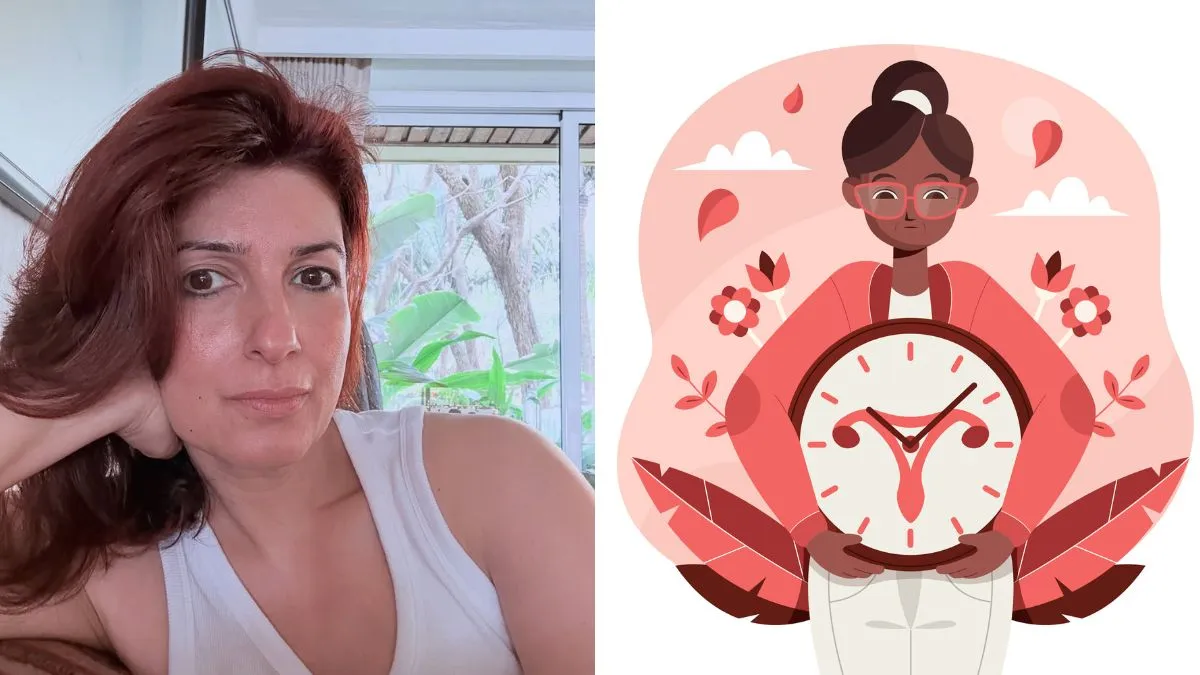
When Twinkle Khanna recently spoke about menopause on Instagram, candid, make-up-free, and unapologetically honest, it struck a chord with thousands of women navigating the same transition. Her words captured what many feel but rarely articulate: menopause can be disruptive, confusing, and deeply physical, even for women who appear outwardly confident and successful.
More importantly, her post pushed menopause out of whispered conversations and into the public domain, where it belongs. As more women talk openly about midlife health, doctors say it’s time the conversation moves from coping to long-term wellness. Twinkle aptly penned the caption, "For a long stretch, it made me feel like I was a phone with a faulty charger.
I feel better now, not because I ‘accepted my age gracefully’ (whatever that means), but thanks to regular weight training, a small pharmacy’s worth of supplements, the joy and purpose I find in books (reading and writing) and because after 50 I’ve finally embraced my shallow side and play mahjong regularly with my girlfriends:) "
Menopause is a biological shift, not a personal failing
“Menopause marks a major biological transition, but it is not the end of health or vitality. Rather, it is the beginning of a new phase that requires a more informed approach to wellness,” says Dr Archana Dhawan Bajaj, Gynaecologist and IVF Expert at Nurture.
With women now spending nearly one-third of their lives post-menopause, medical focus has shifted towards strategies that protect health well beyond symptom relief, especially bone, heart, metabolic, and mental wellbeing.
Why falling estrogen changes almost everything
According to Dr Archana, menopause-related hormonal changes affect far more than menstrual cycles. Estrogen is essential for bone density, muscle mass, heart health, metabolism, mood, and brain function.
Once women reach menopause, they are at risk for osteoporosis, heart disease, weight gain, insulin resistance, and muscle loss if they do not take proactive measures to stay healthy. This is why menopause treatment is becoming more proactive and less reactive.
HRT: Not for everyone, but transformative for many
Hormone Replacement Therapy (HRT) remains one of the most discussed and misunderstood menopause treatments.
“HRT is not a one-size-fits-all solution,” explains Dr Archana. “But for women with significant menopausal symptoms such as hot flashes, night sweats, sleep disturbances, mood changes, and vaginal dryness, HRT can significantly improve quality of life.”
Current medical guidelines suggest HRT is most effective and safest when started within 10 years of menopause or before the age of 60. Individual risk factors, including family history of breast cancer, heart disease, blood clots, and personal medical history, must guide decisions. Regular monitoring and using the lowest effective dose are key to long-term safety.
Supplements need science, not guesswork
Encouraged by such discussions as the one Khanna had, many women choose to take supplements, but experts warn them to be careful.
Calcium and vitamin D are often suggested for their bone health benefits, while vitamin B12, magnesium, and omega-3 fatty acids can be used for energy, muscle support, and cardiovascular health.
“Supplements should complement, not replace, a balanced diet,” Dr Archana notes. Blood tests are often necessary to identify real deficiencies, as unnecessary supplementation can sometimes do more harm than good.
Strength training: The one habit doctors agree on
If there is one thing that experts agree should be done after menopause, it is strength training.
Muscle loss, also known as sarcopenia, progresses faster after menopause. It is a cause of weakness, loss of balance, joint pain, and reduced metabolism. Resistance training can reduce muscle loss, enhance bone density, improve insulin sensitivity, and reduce the risk of falling.
Beyond workouts: Sleep, stress, and screenings matter
Menopause is also a crucial time to prioritise sleep quality, stress management, and regular health screenings. “Menopause is not a decline, it is a transition,” Dr Archana emphasises. “With the right medical guidance and lifestyle choices, women can remain strong, active, and healthy well beyond 50.”
Twinkle Khanna’s honesty may have opened the conversation, but doctors are clear about what sustains women through it. Menopause care should be personalised, proactive, and focused on long-term wellness, not just surviving symptoms.
Disclaimer: Tips and suggestions mentioned in the article are for general information purposes only and should not be construed as professional medical advice. Always consult your doctor or a dietician before starting any fitness programme or making any changes to your die
Also read: How hormonal changes after 30 can weaken bone strength in women
