
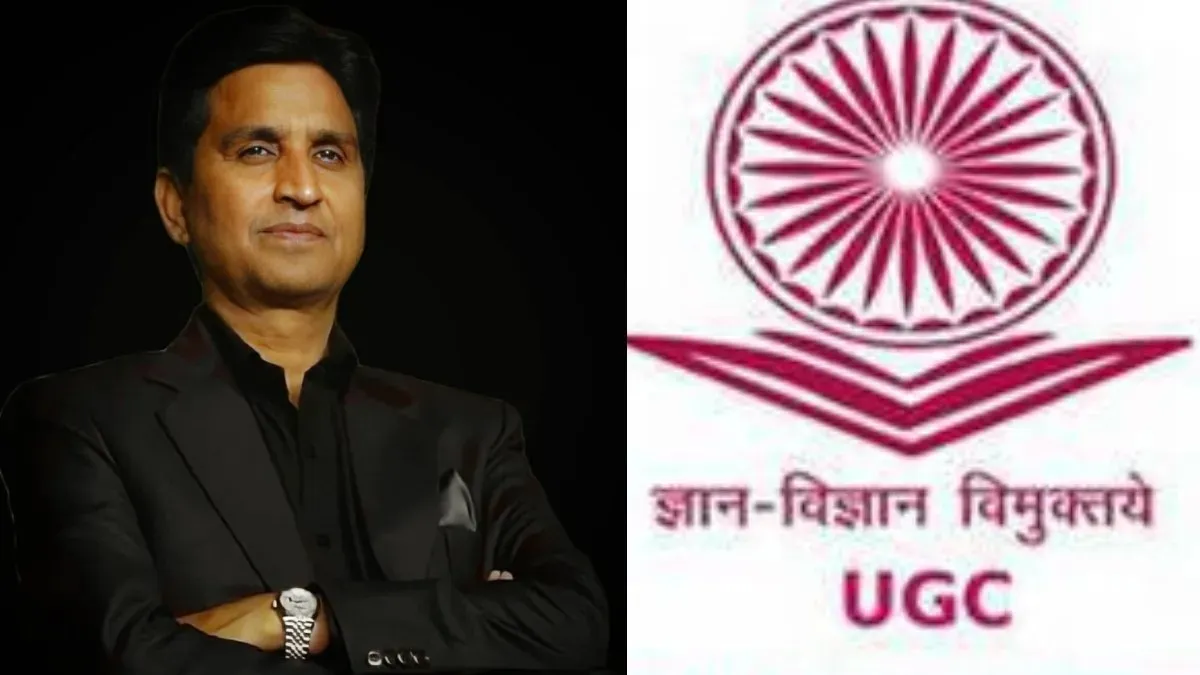
A major political and social row has erupted from Uttar Pradesh to Delhi over the University Grants Commission's revised rules aimed at addressing caste-based discrimination in higher education institutions. The new guidelines have triggered sharp resentment among upper-caste groups, with protests planned on a large scale. Amid this growing discontent, noted poet Kumar Vishwas has also come out openly against the UGC. Taking to X, he posted a poem by the late Ramesh Ranjan while condemning the new regulations. "Chahe til lo ya taad lo raja, raai lo ya pahad lo raja, main abhaga 'savarn' hoon mera, rounya rounya ukhad lo raja," Kumar wrote. He also used the hashtag #UGC_RollBack, signalling his support for the ongoing agitation.
UGC rules and reasons behind the uproar?
The amendments to the UGC Act were introduced following directions from the Supreme Court. While hearing the Rohith Vemula case, the court had asked the UGC to formulate strict rules to curb caste-based discrimination in Higher Educational Institutes. Acting on this, the UGC made structural changes and mandated the formation of an Equality Committee in all universities and colleges.
Students belonging to SC, ST and OBC communities can now file complaints of caste discrimination before this committee. Earlier, only SC and ST students were eligible to file such complaints, but OBC students have now been included. The rules specify mandatory representation from SC, ST and OBC categories in the committee but upper-caste representation is not compulsory. This exclusion has become a major point of contention.
A second major concern among upper-caste groups is the removal of the provision for action against false complaints. The previous rules included penalties for filing baseless allegations. The new guidelines do not mention any such provision, which dissenters argue indirectly assumes that only upper-caste students can be perpetrators while others are always victims.
What are the protesters demanding?
Those opposing the UGC Act argue that action must be taken against discrimination of any kind, irrespective of the caste of the victim or accused. They demand that upper-caste students should also be protected from derogatory remarks such as being called "sudama quota" or "bheekari". Protesters insist that filing a false complaint should attract strict punishment, as was the case earlier. Opposition parties have also stepped in. Samajwadi Party MP Ziaur Rahman Barq said that if the government introduces discriminatory laws, it will face protests both inside Parliament and on the streets.
