
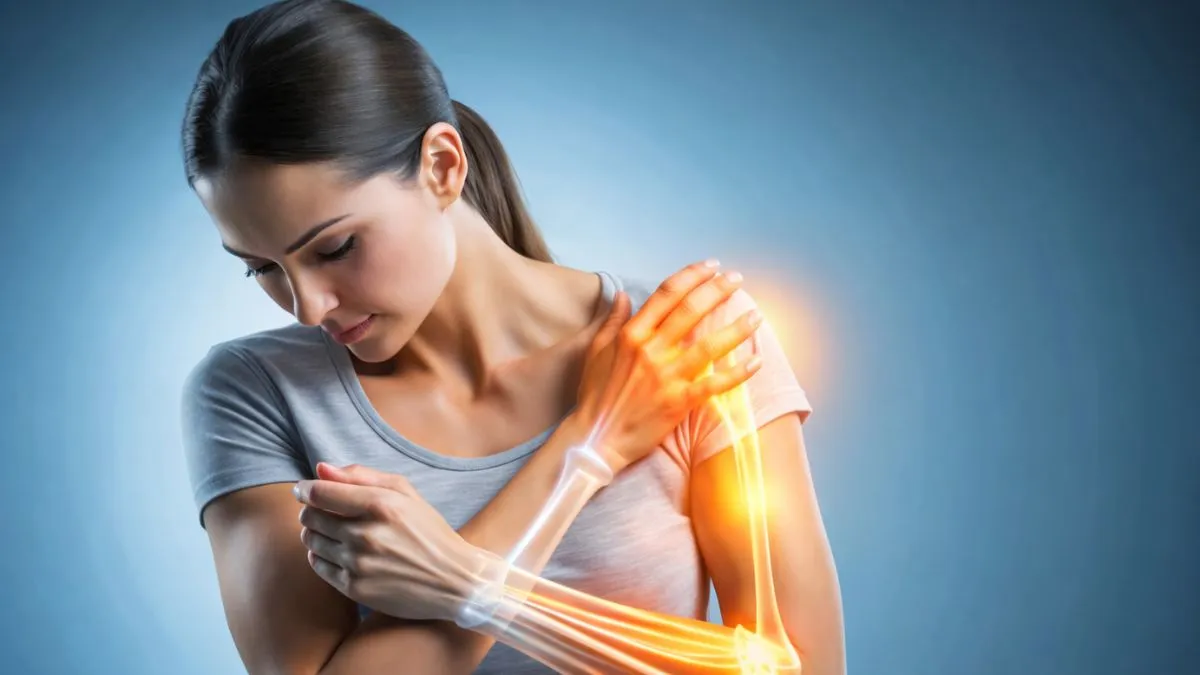
Often, the 30s feel like the beginning of a new phase of life, particularly for women. Careers find the right direction, personal lives settle into rhythm, and physical health rarely feels like an immediate concern. Yet, beneath the surface, the body begins a slow, largely silent transition, one that can have lasting implications for bone strength.
“Hormonal changes don’t announce themselves loudly,” says Dr Prince Gupta, Consultant – Orthopaedics & Joint Replacement, Manipal Hospital, Gurugram. “Bone loss often begins years before symptoms appear, which is why many women are caught off guard later in life.” Osteoporosis, a condition where bones become weak and prone to fractures, doesn’t develop overnight. For many women, its foundation is laid quietly in their 30s.
The link between hormones and bone health
Bones are living tissue, constantly breaking down and rebuilding. Estrogen plays a central role in maintaining this balance. As estrogen levels begin to decline with age, sometimes subtly after 30, the process of bone rebuilding slows down. “Estrogen protects bone density,” explains Dr Gupta. “When its levels drop, bone breakdown can start to outpace bone formation, making the skeleton more fragile over time.”
Hormonal fluctuations can also interfere with calcium absorption and vitamin D metabolism, both of which are essential for strong bones. While bone loss accelerates after menopause, the early groundwork is often set much earlier, making awareness in the 30s crucial rather than optional.
Early signs women shouldn’t ignore
Bone loss is often called a silent condition, but the body does send signals, if you know where to look. Persistent back pain, a slight loss of height, or a gradual stooping posture can point to weakening bones. Some women notice brittle nails, reduced grip strength, or fractures from minor falls that previously wouldn’t have caused injury.
“These are not just signs of ageing,” says Dr Gupta. “They are warning signals that bone strength may already be compromised.”
Recognising these symptoms early can make a meaningful difference in slowing further bone loss.
Preventive care that protects bone strength
The good news is that bone health can be supported with timely, practical steps. Small lifestyle decisions made in the late 20s and 30s often determine bone resilience decades later.
A balanced diet is foundational. Calcium-rich foods such as dairy, leafy greens and fortified products should be paired with adequate vitamin D to ensure proper absorption.Weight-bearing and resistance exercises, walking, jogging, and light strength training stimulate bone formation and improve muscle support. “Bones respond to load,” Dr Gupta notes. “Movement signals them to stay strong.”
Lifestyle choices also play a role. Excessive intake of alcohol, smoking, and high levels of caffeine hasten bone loss. Decreasing these practices has long-term skeletal benefits.
It is also important for early detection, especially in women who have either a family history or other risk factors. Medical and surgical interventions may include vertebroplasty and kyphoplasty for spinal fractures or arthroplasty for joints damaged by advanced disease, but prevention remains the best approach to the disease.
Thinking long-term about bone health
Bone health is often invisible, until pain or fractures force attention. Understanding how hormonal changes after 30 influence bone strength allows women to shift from reactive care to prevention.
“Osteoporosis is largely preventable when we act early,” says Dr Gupta. “Strong bones in later life depend on informed choices made much sooner.” Looking after bone health isn’t about fear or restriction. It’s about giving the body what it needs to stay resilient, mobile and independent for years to come.
Disclaimer: Tips and suggestions mentioned in the article are for general information purposes only and should not be construed as professional medical advice. Always consult your doctor or a dietician before starting any fitness programme or making any changes to your diet
