
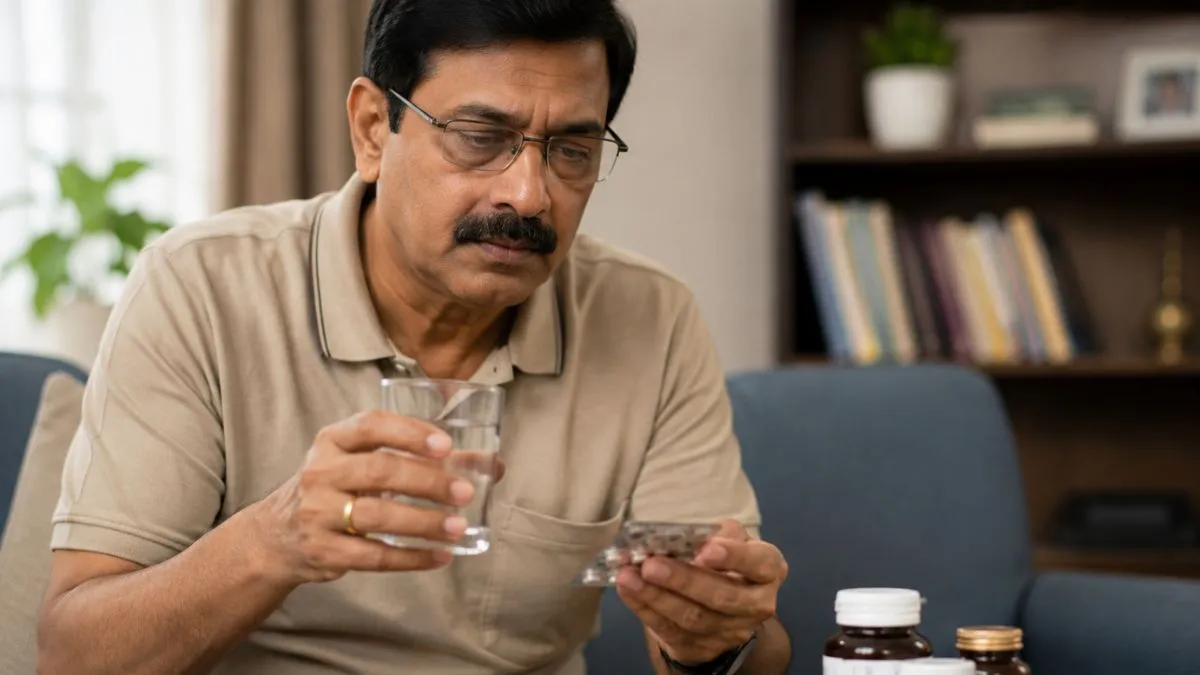
In today’s world of hurry and bustle, quick fixes have become a popular practice. From multivitamins and protein supplements to OTC medicines like pain killers, more and more people resort to self-medicating practices in hopes of immediate solutions for their tiredness, headache, body ache or weak immunity. However, it has been cautioned by healthcare professionals that these apparently harmless alternatives pose dangerous long-term consequences for health.
According to doctors, the unregulated intake of health supplements and pain relievers is on the rise in India. This trend has been influenced significantly by online misconceptions, social media trends, and the availability of medications.
Doctors warn against unsupervised supplement use
According to Dr Simon Thomas, Senior Director, Robotic Joint Replacements & Orthopaedics at Max Super Speciality Hospital, Shalimar Bagh, many people are consuming supplements without proper medical guidance in an attempt to improve fitness, energy levels and immunity.
Experts say excessive supplement use may lead to:
- Nausea
- Gastritis
- Kidney stones
- Skin rashes
- Elevated liver enzymes
- Organ damage
Doctors note that many young adults began relying heavily on viral supplements and gummies after the pandemic, often without understanding the dosage, ingredients or potential side effects.
Painkiller overuse may silently damage the body
Health experts also warn against the excessive use of common non-steroidal anti-inflammatory drugs (NSAIDs) such as:
- Ibuprofen
- Paracetamol
- Diclofenac
- Aceclofenac
These medicines are frequently used for headaches, fever, back pain, body aches and joint pain. However, doctors say regular self-medication can place stress on the kidneys, liver, digestive system and even the heart.
According to medical professionals, too much use can result in:
- Damage to the kidney
- Liver damage
- Bleeding in the stomach
- High blood pressure
- Heart problems
Medical professionals have also indicated that over-dependence on medication for relief from pain may also mask other symptoms, which delay the detection and treatment of underlying diseases.
Risks that may be higher for some
Medical professionals also indicate that certain populations are more susceptible to the dangers of self-medication. This includes the elderly population, expectant mothers, and young kids. Experts stress that self-medication should never replace proper medical advice, especially when symptoms persist. Because the internet may know your search history, it still cannot diagnose your body properly.
Also read: Doctor warns extreme heat can harm both physical and mental health at work
