
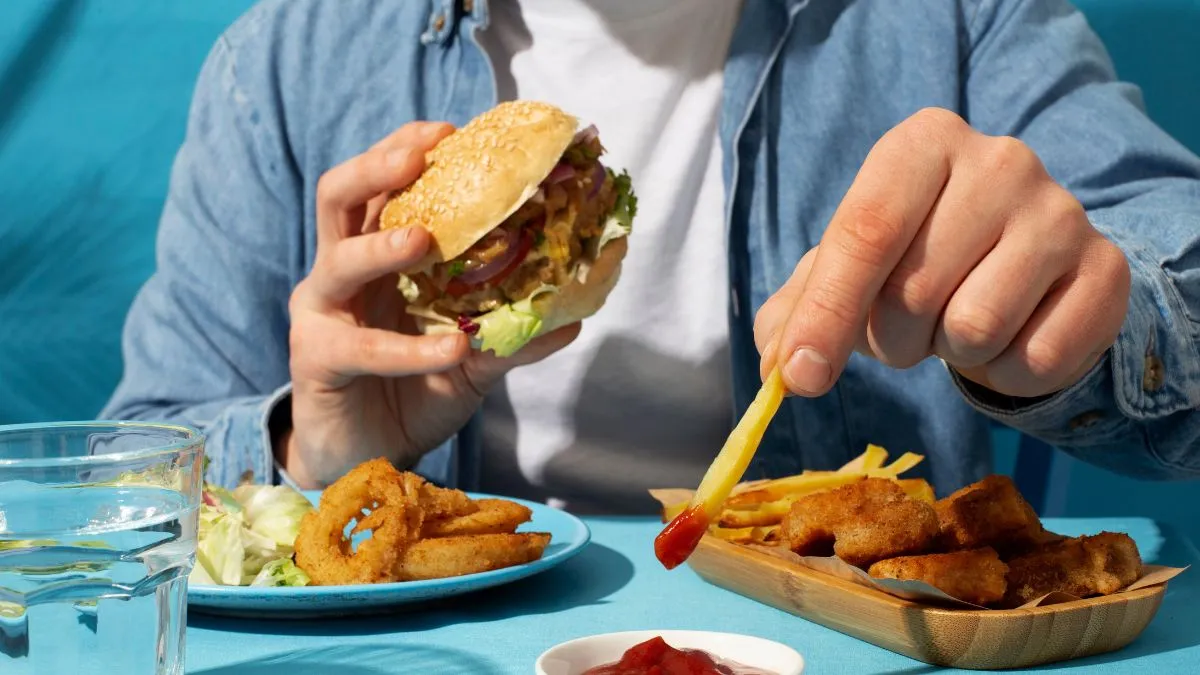
There’s a moment most of us recognise. It’s late evening, you’re not exactly hungry, but suddenly you want something specific. Maybe it’s chocolate, maybe chips, maybe something crispy you can’t quite name.
The idea of cravings is often seen as indulgence and a lack of control. But cravings are so much more than that. They are a combination of biology, emotions, and even lifestyle habits. Learning about cravings can completely alter the way you think about food.
“Cravings are not random. They are signals from the body, often pointing to deeper biological or psychological needs,” explains Dr Aravind Badiger, Technical Director, BDR Pharmaceuticals.
What is actually happening inside your body
Cravings are first triggered in the brain, in the reward centre. When you eat food, especially that containing high amounts of sugar, salt, or fat, your brain releases dopamine, a chemical associated with pleasure. This is why some food tastes instantly good. The brain gets into a habit of associating these foods with pleasure.
But there are other chemicals too, such as ghrelin and leptin, which control hunger and satisfaction. These chemicals are disrupted when you do not have proper sleep or eating habits, and you may crave food even when you don’t need to.
Why do you crave sweet foods
The most common cravings are sweet cravings. These cravings usually happen when the blood glucose levels go down. When the levels go down, the body needs energy, and the fastest source of energy is sugar. But it is not just physical. Emotional triggers also play a role.
“When you are stressed or tired, sugar can temporarily boost serotonin levels, which improves mood,” says Dr Badiger. The catch is that frequent sugar consumption may cause insulin resistance over time, which may cause metabolic problems.
The real reason for your salty food cravings
If you experience salty cravings, your body may be telling you something else. Salty cravings may be caused by dehydration or an imbalance of electrolytes in the body, especially if you sweat excessively or drink insufficient fluids.
Stress may also cause salty cravings because of the effects of stress on the adrenal glands and the body's regulation of salt. Although salt is necessary for the body to maintain nerve and muscle functions, consuming too much of it may cause high blood pressure and heart problems.
Why crunchy foods are so satisfying
You may be surprised to know that your desire for crunchy foods may not be entirely about the taste. The texture may be playing a role in your desire for crunchy foods. Eating crunchy foods stimulates the brain in several areas. There is also the behavioural aspect. Chewing can have a calming effect, which is why people often reach for chips or snacks when they are bored or stressed.
“Crunchy foods can provide a sense of relief, almost like a physical way to release tension,” notes Dr Badiger.
How to manage cravings without fighting them
The key is not to ignore cravings, but to understand them.
- Stay hydrated, as dehydration can trigger false hunger signals
- Maintain regular meals to keep blood sugar stable
- Prioritise sleep to balance hunger hormones
- Manage stress through movement or mindfulness
- Pay attention to whether you are actually hungry or just craving something
When you start recognising the difference, cravings become easier to manage rather than resist. Cravings are not the enemy. They are cues. Once you understand what your body is asking for, you can respond more thoughtfully instead of reacting impulsively. Over time, this shift not only improves your relationship with food but also supports better overall health.
Sometimes, it is not about cutting things out. It is about listening more closely.
Also read: Why you feel like pooping right after eating, explained by a gut doctor
Disclaimer: Tips and suggestions mentioned in the article are for general information purposes only and should not be construed as professional medical advice. Always consult your doctor or a dietician before starting any fitness programme or making any changes to your diet.
