
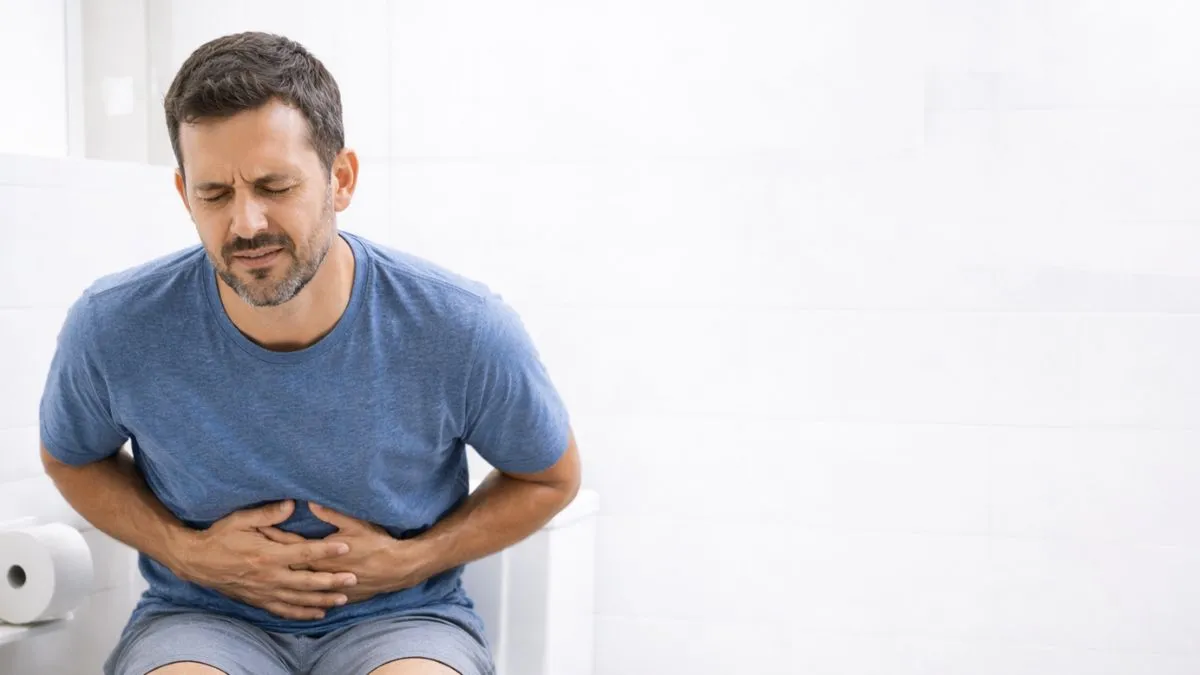
It’s a situation many people quietly deal with but rarely talk about. You finish a meal, and almost immediately, there’s an urge to use the restroom.
According to Dr Joseph Salhab, a gastroenterologist who shares insights on digestion and gut health, this is more common than people think and usually not something to panic about.
What is the gastrocolic reflex
“When you eat and feel like you need to use the restroom right after, it is something called the gastrocolic reflex,” he explains. This reflex is a natural response in the body. When food enters the stomach, it stretches slightly. That stretch sends signals to the brain, which then signals the colon to contract.
The purpose is simple. Your body is making room for incoming food.
Why does it feel so immediate?
It may feel like the food you just ate is passing through your system instantly, but that is not what is happening. What your body releases is actually previously digested food and water that was already in the colon. The timing just makes it seem like it is linked directly to your latest meal.
Why do some people feel it more strongly
Not everyone feels this reflex in the same way. Dr Salhab writes, “People with Irritable Bowel Syndrome are more sensitive in their gut.” This increased sensitivity can result in stronger muscle contractions, which can manifest in cramps, a sense of urgency, and diarrhoea after eating.
Foods that may make it worse
There are no specific foods to avoid, but there are certain foods that are known to trigger stronger reactions in people. These include:
- Carbonated drinks
- High sugar drinks
- Alcohol
- Citrus fruits
- Dairy products
- Fried or fatty foods
The key is to look for patterns, not to try to avoid everything at once.
What can actually help
One solution, which many doctors recommend, is to try a low FODMAP diet. Apart from this, simply keeping a food journal can help in a big way. As Dr Salhab notes, there is no universal rulebook here. What works for one person may not work for another.
When should you be concerned
While the gastrocolic reflex is normal, frequent discomfort, severe pain or persistent diarrhoea should not be ignored. If the symptoms affect your daily life, it is recommended to see a doctor to rule out any underlying conditions.
That urge to go to the bathroom after eating may be very inconvenient, but in many cases, it is your body functioning the way it is meant to. Learning how the body functions can really help with the situation, and making a few changes can really help.
Disclaimer: Tips and suggestions mentioned in the article are for general information purposes only and should not be construed as professional medical advice. Always consult your doctor or a dietician before starting any fitness programme or making any changes to your diet.
Also read: From processed food to antibiotics: The hidden link to rising colorectal cancer cases
