
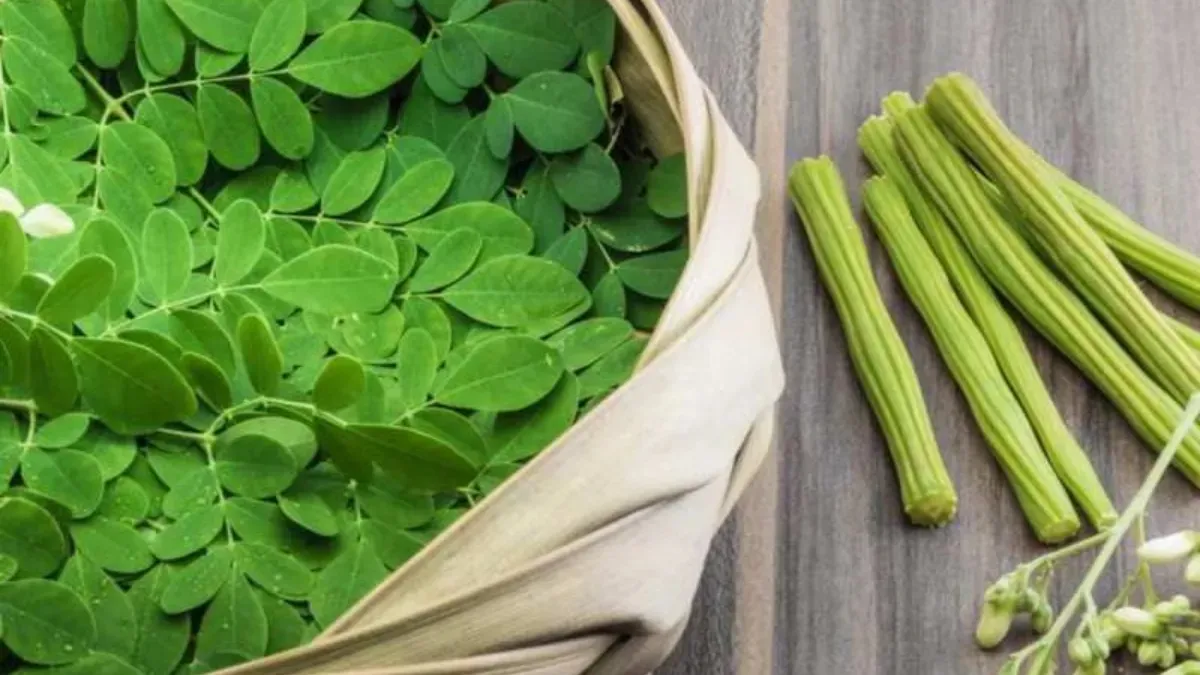
Drumstick, or moringa, is a tree whose roots, leaves, flowers, and pods are all very healthy. According to Ayurveda, moringa can treat thousands of illnesses. The most popular are moringa leaves and pods. Diabetes and heart disease are just two of the many conditions that moringa leaves can help with. They should undoubtedly be a part of your diet.
It is said that moringa is a nutrient storehouse. Antioxidants, vitamins, and minerals abound in its leaves. The vitamin C content of 100 grams of moringa leaves is seven times higher than that of an orange. Moringa has 25 times more iron than spinach, 17 times more calcium than milk, 15 times more potassium than bananas, 9 times more protein than curd, and vitamin A. In addition, it is high in magnesium, manganese, vitamin K, and vitamin E. Moringa leaves are high in fibre and extremely low in calories.
Which health conditions may benefit from moringa leaves?
Drinking the roots of drumstick boiled in water provides relief from typhoid.
Applying a paste of drumstick leaves is beneficial in case of a headache.
In case of a sore throat, gargling with a decoction of drumstick root will provide relief.
Diabetes can be controlled by chewing drumstick leaves.
Eating drumstick leaves is also considered very beneficial for high cholesterol.
To overcome physical weakness, boil drumstick flowers in water and drink them.
Moringa leaves are also effective in relieving arthritis pain.
Moringa helps in keeping the liver healthy and detoxifying the body.
When is the best time to eat moringa leaves for maximum benefits?
Eating drumstick leaves on an empty stomach in the morning is considered beneficial. You can eat them at any time of the day, especially before breakfast. Avoid eating drumstick leaves at night.
How much moringa is safe to consume daily?
You can eat a handful of fresh drumstick leaves daily, weighing approximately 5-7 grams. If you prefer, you can also consume 1-2 teaspoons of the powder. If you have any medical conditions or are pregnant, consume them only after consulting a doctor.
Disclaimer: Tips and suggestions mentioned in the article are for general information purposes only and should not be construed as professional medical advice. Always consult your doctor or a dietician before starting any fitness programme or making any changes to your diet.
ALSO READ: More than flavour: New study shows how curcumin (turmeric) may support heart health in diabetes
