
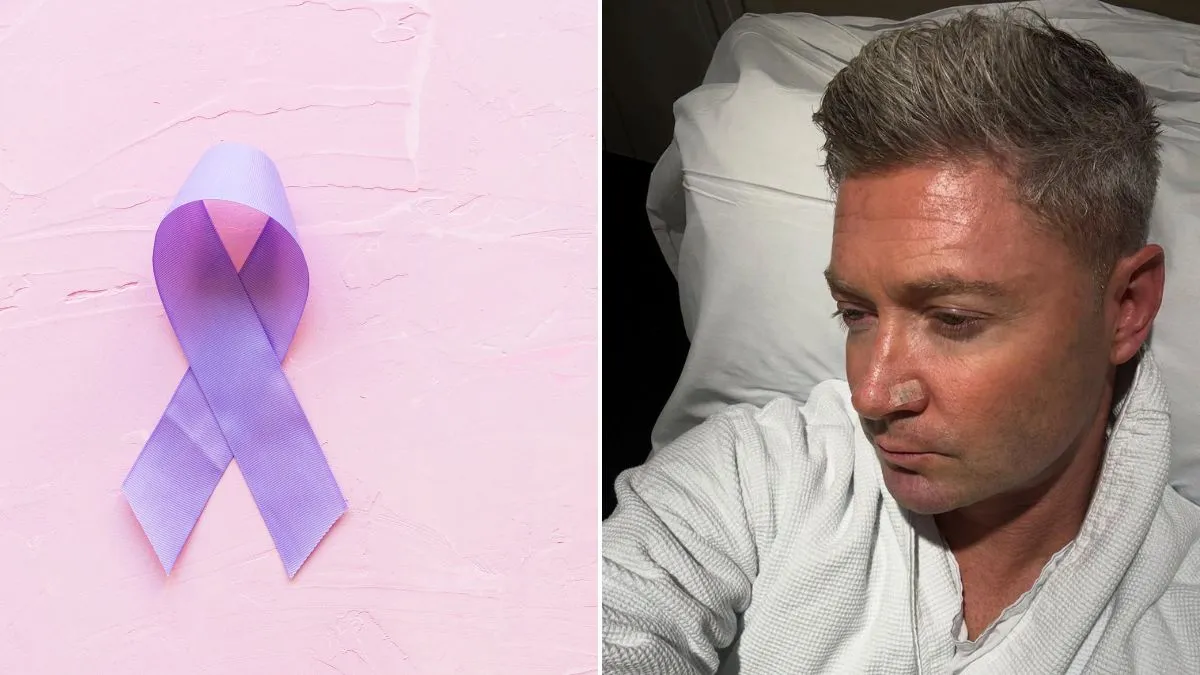
Australian ex-cricket captain Michael Clarke recently had surgery to have skin cancer removed from his nose. The 44-year-old asked fans to take check-ups seriously, reminding supporters that prevention and early detection are important. His incident shows a much broader point: cancers really begin with faint signals that we overlook.
Michael's tale puts the spotlight on a greater health message: cancer frequently starts with subtle signs, which many of us tend to ignore. If we can learn to recognise these warning signs, we can enhance the possibility of timely intervention and improved outcomes. It is possible to save lives by being able to identify these early symptoms.
Why diagnosing early signs matters
Australia has one of the highest rates of skin cancer globally, largely due to its strong UV exposure and a fair-skinned population. Indeed, nearly 2 in 3 Australians will face some form of the disease by age 70.
Expert Tips: How to Stay Sun-Safe (Inspired by Clarke’s Advocacy)
As per Dr Waseem Abbas, Associate Director, Medical Oncology, Max Super Speciality Hospital, Shalimar Bagh, wear broad-brimmed hats, sunglasses, and protective clothing when exposed to the sun.
Use SPF 50 sunscreen; reapply often—especially if you're sweating.
Watch for the ABCDE signs on moles:
- Asymmetry
- Border irregularities
- Color variations
- Diameter larger than 6 mms
- Evolving over time
Changes may signal melanoma—seek medical advice promptly.
Other red flags:
- Sores that don’t heal
- Scaly or rough patches on the skin
- Itchy or tender areas
- Dark streaks under nails—potential sign of subungual melanoma
Early symptoms of cancer you should never ignore
1. Unusual skin or mole changes
Watch for new moles or changes in existing ones: irregular borders, uneven colour, increasing size, or bleeding may signal skin cancer.
2. Persistent lumps or swelling
Any lump in the breast, testicle, armpit, or neck that doesn’t go away should be checked by a doctor.
3. Sores or wounds that don’t heal
Cuts, ulcers, or patches in the mouth or skin that take unusually long to heal may be an early warning.
Also read: Is your skincare routine increasing the risk of skin cancer? Know what the expert has to say
4. Unexplained bleeding
Blood in the urine, stool, or cough must never be overlooked, as it might signal cancers of the bladder, bowel, or lungs.
5. Unexplained weight loss or fatigue
Inexplicable weight loss without changes in lifestyle or persistent fatigue might signal undetectable cancers that interfere with metabolism.
6. Bowel or bladder habit changes
Long-standing diarrhoea, constipation, or excessive urination can at times be associated with prostate or gastrointestinal cancers.
7. Refractory cough or change of voice
An ongoing cough lasting weeks or hoarseness in the voice must be checked out, particularly for smokers.
Why is early detection of skin cancer important?
Early detection leaves many cancers extremely treatable. Routine screenings, self-exams, and not hesitating when there are warning signs can stop progression and complications. Michael Clarke's experience serves as a reminder that even professional athletes in top shape aren't excluded; cancer can strike anyone, so vigilance is non-negotiable.
Cancer doesn't come overnight. It whispers first, through symptoms we tend to brush off. By listening for changes in our bodies, being regular with screenings, and consulting with a doctor when something doesn't feel "right," we can detect cancer early, as Michael Clarke did. His message is clear and strong: don't wait, test early, and guard your health.
Also read: Top strategies for avoiding skin cancer: Tips and precautions
