
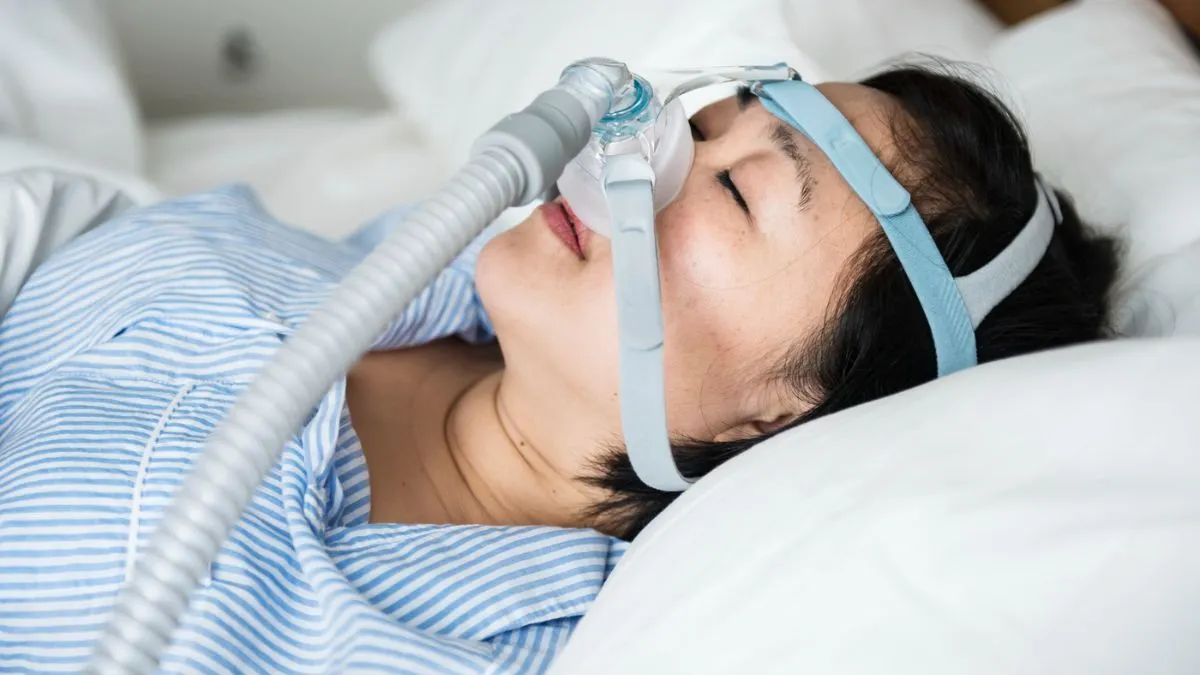
Sleep apnoea is a condition that disrupts your breathing while you’re asleep. This can lead to fatigue, poor concentration and other health issues if left untreated. Most people who suffer from the condition are recommended continuous positive airway pressure (CPAP) therapy, but a lot of people might find it uncomfortable to use it regularly.
While it is important that you use a CPAP, the condition can also be managed by making significant lifestyle changes. These changes will help you breathe easily at night and also reduce your sleep interruptions. Here are some tips that can help manage sleep apnoea with a CPAP.
Tips to manage sleep apnoea without a CPAP
Maintain a Healthy Weight
Excess weight, especially around the neck and throat, increases the risk of airway blockage during sleep. Even modest weight loss can reduce symptoms of sleep apnoea and improve breathing.
Sleep on Your Side: Sleeping on your back makes the tongue and soft tissues collapse backward, making the airway obstruction worse. Side sleeping can reduce snoring and apnoea episodes.
Practice Good Sleep Hygiene
Poor sleep habits can worsen symptoms of sleep apnoea. Sticking to a regular bedtime, avoiding screen time before bed, and creating a dark, quiet sleeping environment can improve sleep quality and reduce the frequency of apnoea episodes.
Avoid Alcohol and Sedatives
Alcohol and sedative medications relax throat muscles, making airway collapse more likely during sleep. Limiting alcohol, especially in the evening, and avoiding sedatives unless prescribed by a doctor can reduce breathing disruptions.
Elevate Your Head While Sleeping
Sleeping with your head slightly elevated reduces pressure on the airway and helps in breathing smoothly. You can use an adjustable bed or wedge pillow to keep your upper body at an incline, reducing apnoea episodes.
ALSO READ: Think you can survive on just 4 hours of sleep for a week? Science disagrees
