
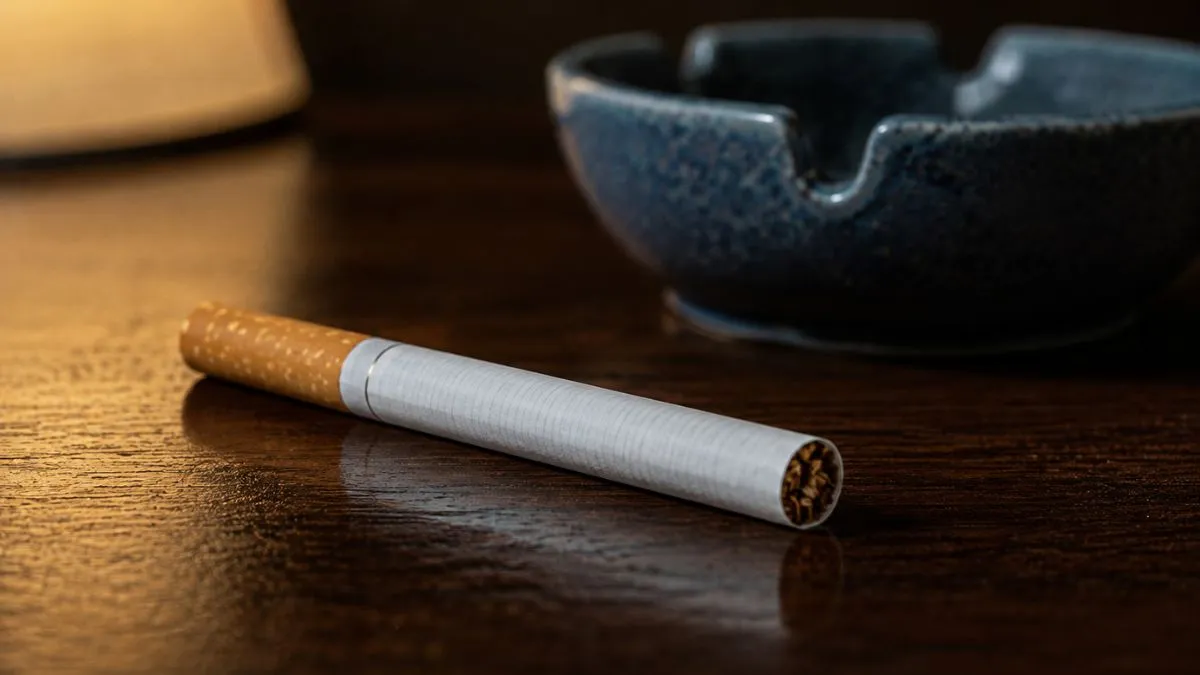
For some smokers, having a cigarette before bed may feel like a small nightly ritual to unwind. Compared with smoking several cigarettes throughout the day, it can seem relatively harmless. However, neurologists warn that even a single cigarette a day should not be considered safe when it comes to brain and blood-vessel health.
Dr Bhushan Joshi, Consultant Neurologist, Manipal Hospital, Kharadi, explains that smoking remains a recognised risk factor for stroke. The concern is not limited to people who smoke heavily, as even modest smoking can increase cardiovascular risk.
How can one cigarette affect the brain?
Cigarette smoke contains nicotine and carbon monoxide, both of which can affect the cardiovascular system. Nicotine can temporarily raise blood pressure and heart rate, while carbon monoxide reduces the blood's ability to carry oxygen efficiently.
Smoking can also damage the inner lining of blood vessels and contribute to the formation of fatty deposits in the arteries. Over time, these changes can cause blood vessels to narrow and become less healthy, increasing the possibility of a clot blocking blood flow to the brain.
A stroke occurs when the blood supply to part of the brain is interrupted or when a blood vessel in the brain ruptures. When oxygen supply is disrupted, brain cells can begin to die within minutes, making timely treatment crucial.
Does smoking before bedtime make it less harmful?
The timing does not make a cigarette safer.
A cigarette smoked immediately before going to bed still exposes the body to nicotine and other toxic substances. This can be particularly concerning for people who already have risk factors such as high blood pressure, diabetes or high cholesterol.
The source also highlights that the relationship between smoking and stroke is not simply about the number of cigarettes smoked. Even modest smoking can carry a meaningful proportion of the cardiovascular risk associated with heavier smoking.
What can help reduce stroke risk?
Quitting smoking remains one of the most important steps towards reducing stroke risk. Cutting down can be a starting point, but the goal should be to stop smoking rather than assuming that one cigarette a day is harmless.
Other measures that can support brain and blood-vessel health include regular blood pressure and cholesterol checks, exercise, a balanced diet, adequate sleep and proper management of diabetes.
What are the warning signs of a stroke?
Certain symptoms should never be ignored. These include sudden facial drooping, numbness or weakness on one side of the body, difficulty speaking, problems with vision, extreme dizziness or an unexplained headache.
Stroke is a medical emergency, and receiving treatment quickly can significantly improve outcomes.
How is a stroke treated?
Treatment depends on the type of stroke and how quickly the person reaches medical care. For an ischaemic stroke caused by a blood clot, eligible patients may receive clot-busting medication. In some cases, a large clot can be removed through a procedure known as mechanical thrombectomy, which uses a thin catheter.
Brain haemorrhage may require medication or surgery depending on its severity. The source emphasises that early treatment is essential to reduce the risk of irreversible brain damage and disability. The source also notes that the first four hours are particularly important for eligible stroke patients who may be able to receive clot-busting injections.
Ultimately, a bedtime cigarette should not be viewed as a harmless exception simply because it is the only cigarette of the day. When it comes to stroke prevention, quitting smoking altogether remains the safer goal.
Disclaimer: Tips and suggestions mentioned in the article are for general information purposes only and should not be construed as professional medical advice.
Also read:
Struggling to quit smoking? Here's a golden tip from a doctor
