
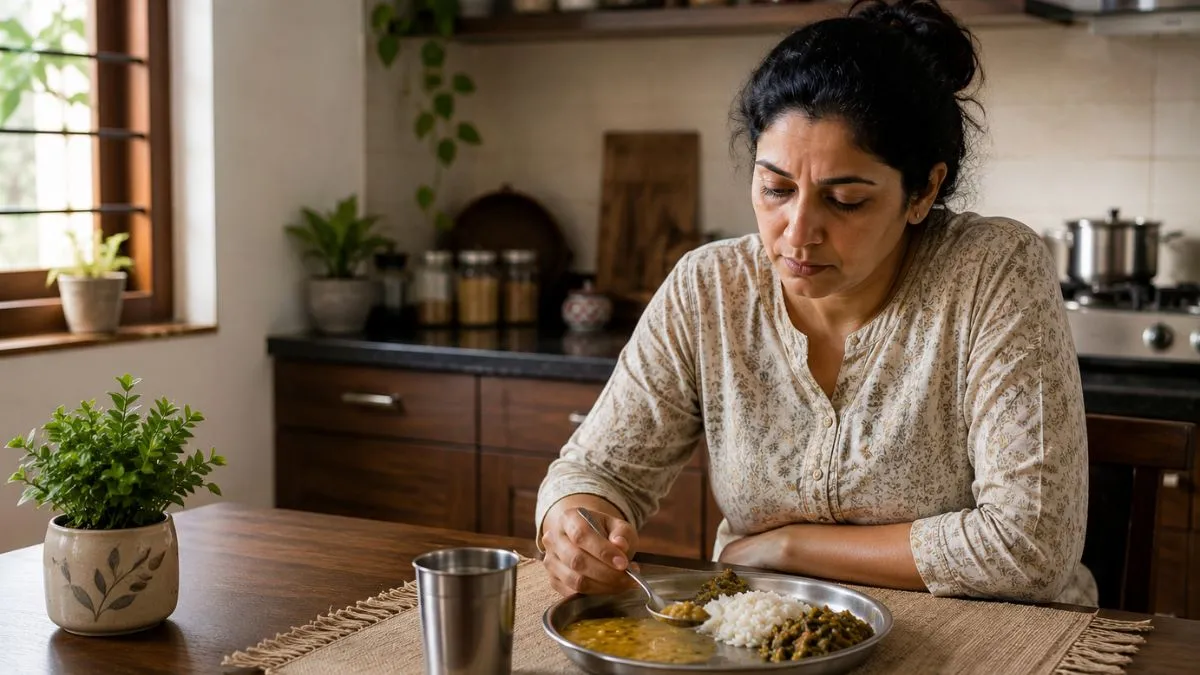
In many Indian households, mothers are usually the first to serve food and the last to sit down and eat. By the time they finally begin their meal, the food has often gone cold, their hunger has been ignored for hours, and everyone else at the table has already finished eating. This deeply familiar pattern now has a name: the “Last Plate Syndrome”.
According to Ms Misba Begum Hussain Masthan, MSc Clinical Nutrition & Dietetics at Apollo Clinic, the syndrome describes a long-standing behaviour where mothers prioritise everyone else’s meals while neglecting their own nutrition and eating schedules.
What is the ‘Last Plate Syndrome’?
"Last Plate Syndrome" describes a scenario where mothers tend to postpone or completely avoid eating while attending to their family's meal requirements first. The nutritionist notes that this practice is often associated with caregiver duties and home chores, thus becoming so frequent in homes that few families think about it.
Nonetheless, continually neglecting hunger and postponing meals may have adverse impacts on the woman's nutritional status, vitality, and well-being.
Health implications of last eating for women
As per the specialist, long periods without eating and inadequate nutrition may result in:
- Fatigue
- Headaches
- Mood fluctuations
- Inability to concentrate
- Weakness
Such a practice may also expose individuals to the possibility of deficiency diseases relating to:
- Iron
- Vitamin B12
- Calcium
- Protein
According to the nutritionist, eating late meals may also cause fluctuations in the levels of blood sugar and problems associated with digestion, thereby raising the chances of suffering from:
- Anaemia
- Obesity
- Diabetes
- High blood pressure
- Osteoporosis
Little changes in nutrition go a long way
Ms Misba Begum Hussain Masthan states that changing one’s nutritional status does not necessarily mean adopting a difficult diet chart.
Simple activities may assist mothers in remaining healthier in their everyday lives through:
- Taking meals at regular intervals
- Not skipping meals over a long period
- Hydration
- Maintaining the availability of nutritious snacks
She also advises mothers on adding common Indian kitchen foods such as:
- Dal
- Curd
- Egg
- Fruit
- Nuts
- Sprouts
- Vegetables
Why family involvement is equally important
The nutritionist believes that nutrition should not be seen as an obligation for mothers alone within their homes. Involving others, such as siblings, in preparing and serving food will be a great help.
She also says encouraging mothers to sit and eat together with the family may positively impact both emotional well-being and nutrition.
The expert believes appreciation for mothers should go beyond flowers, gifts and celebrations. “Mothers should not have to earn their right to nourish themselves after feeding everyone else first,” the article notes. The growing conversation around the “Last Plate Syndrome” is resonating online because many women see their own daily routines reflected in it, routines that have long been normalised but rarely discussed openly.
Also read: Can eating watermelon really cause death? Experts separate facts from viral rumours
