
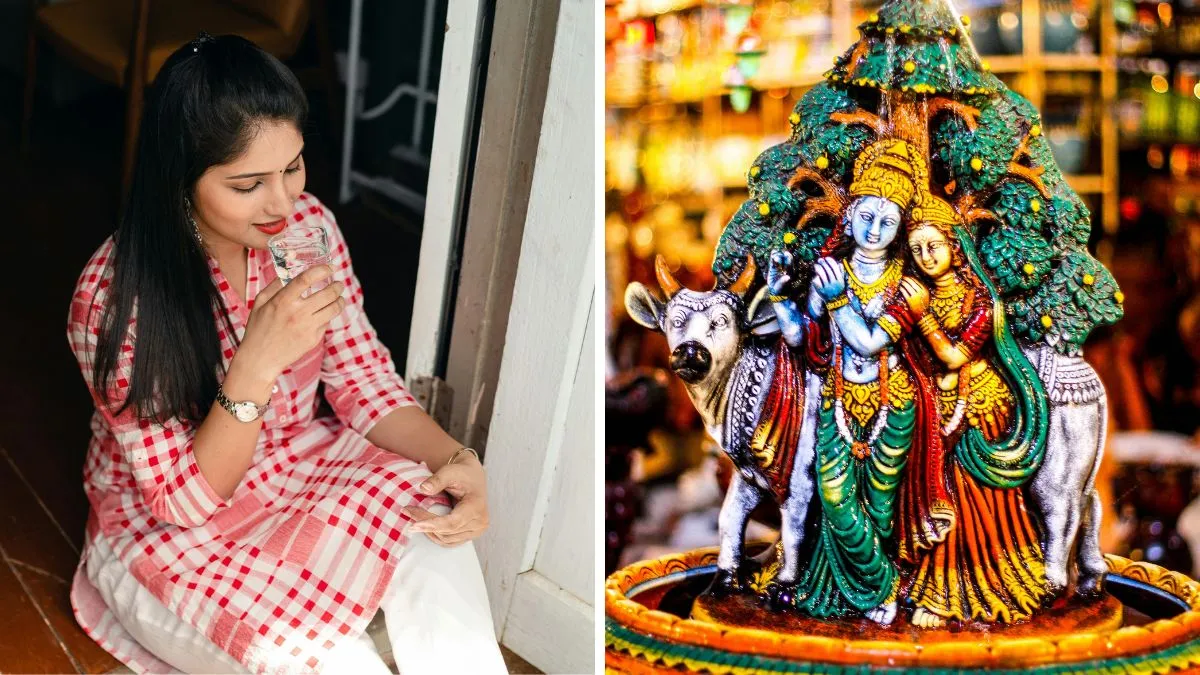
Janmashtami is a day of devotion and joy, celebrated by millions to mark the birth of Lord Krishna. For many devotees, it’s also a vrat (fasting) day, a spiritual practice meant to purify the body and mind.
But while the focus is often on devotion, ignoring your body’s needs during the Janmashtami fast can lead to dehydration, acidity, fatigue, and even illness.
Also read: From divine idols to adorable little Gopals for Janmashtami 2025
By avoiding some common Janmashtami fasting mistakes and choosing healthy vrat-friendly foods, you can honour tradition while keeping your energy levels high and your health intact.
Confused about the correct day for fasting? Check the Janmashtami 2025 date and puja timings here.
Common Janmashtami fasting mistakes
1. Skipping hydration completely
Many are under the impression that they should not consume water during the fast, but in reality, dehydration brings forth headaches, dizziness, or fatigue. Consider taking a few sips of water, coconut water, or herbal infusions during the day, if liquids are allowed in your fast.
2. Overeating fried and sugary foods after the fast
The temptation for pakoras, puris, and laddoos after the fast is huge, but at least some time should be given to the digestive system to adjust. Heavy and oily foods will pave the way for acidity and bloating.
3. Ignoring nutrient-rich, fasting-friendly options
Fasting is not about eating greasy snacks all day. Nuts, fruits, and fast-energy foods such as vrat-friendly grains like buckwheat (kuttu) or amaranth (rajgira) will give you the energy that lasts, making you feel sluggish. Not listening to your body’s hunger and fatigue signals.
It's a kind of reverence and not despondency. If you feel dizzy or faint, or feel extremely dizzy or weak, do take a break. A light snack may be considered as advised, and also visit a doctor for advice if needed.
For more vrat-friendly meal ideas, read our guide on how to maintain a healthy diet during Janmashtami fast.
4. Consuming too much caffeine during the fast
On an empty stomach, tea and coffee might be great energy boosters; too much caffeine could, however, lead to acidosis and jitters.
5. Breaking the fast too quickly
One needs to make sure not to shock the digestive system with a big, heavy meal straight after fasting. Light foods will do for slowly moving to complete unburdening.
How to fast safely on Janmashtami
1. Prioritise water and hydrating foods
If liquids are permitted, have water, coconut water, or lemon water to remain hydrated.
2. Have protein-rich ingredients that are vrat-friendly
Paneer, yoghurt, nuts, and seeds make you fuller for longer and avoid energy dips.
3. Use healthy ways of cooking
Steaming, roasting, or pan-searing is preferred instead of deep-frying to make your vrat food light.
4. Break the fast with easy-to-digest foods
Fresh fruits, dates, or a small bowl of sabudana khichdi are suitable for easing digestion.
5. Balance devotional practice with self-care
Spiritual discipline is necessary, but so is your health. Keep a peaceful mind and rest when necessary.
Best vrat-friendly foods to keep energy high
1. Fruits and nuts
Bananas, apples, pomegranate, almonds, and walnuts maintain energy levels constant.
2. Dairy-based dishes in moderation
Lassi, buttermilk, and sweets made of milk contain calcium and protein, but must be consumed in small quantities.
3. Preparations from buckwheat (kuttu) and amaranth (rajgira)
These fibre and nutrient-rich gluten-free flours are perfect vrat staples.
Janmashtami fasting is not just about missing meals; it's about linking your mind, body, and soul to devotion. By following these common pitfalls to avoid, you can be sure your fast makes you light, energised, and spiritually satisfied. After all, God Krishna's teaching is balance and joy, and that means taking care of your body as well as you worship.
