
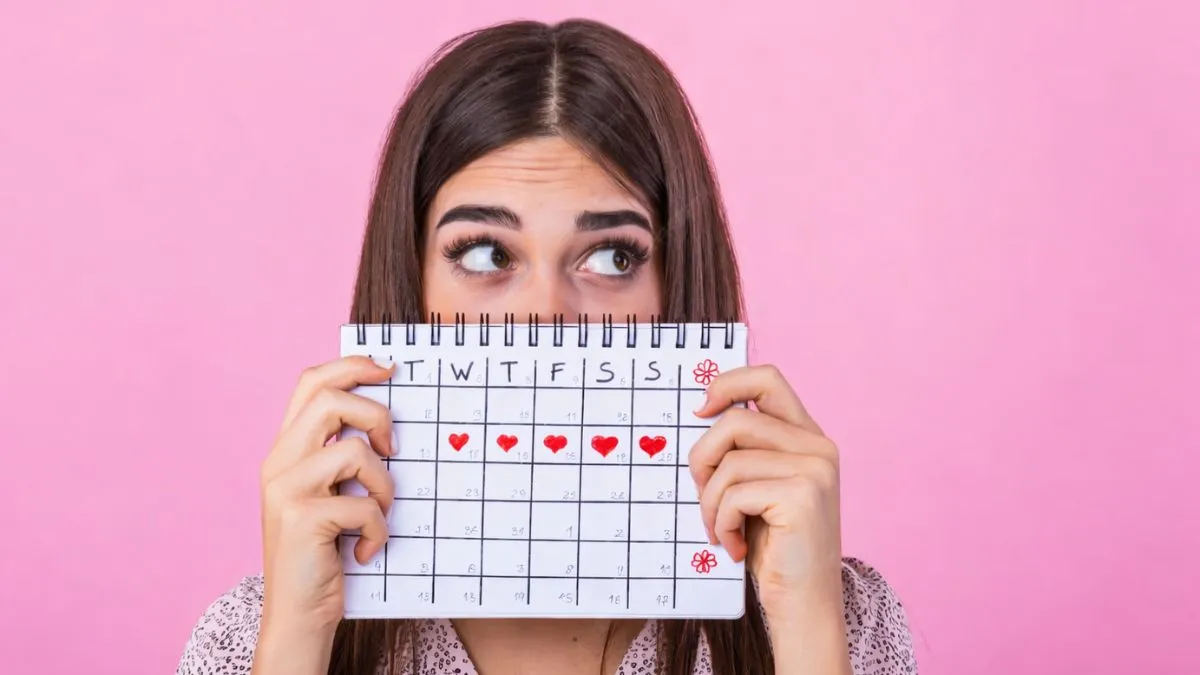
Women in their 30s are often caught in a balancing act between demanding careers and expanding families. Late nights, missing meals, and constant deadlines creep quietly into their lives. So when their menstrual cycles start arriving late, early, or not at all, they tend to think of stress as the obvious cause.
Sometimes it is. But doctors warn that irregular cycles in this decade can also signal deeper hormonal or medical concerns that deserve attention. According to Dr Renu Malik, Director at Malik Radix Healthcare, menstrual irregularity should never be dismissed as a minor inconvenience. “Stress can absolutely disrupt cycles,” she explains. “But if irregularity continues beyond a few months, it is important to look beyond lifestyle factors and investigate underlying causes.”
When stress really is the reason
Stress affects far more than mood or sleep. Elevated cortisol levels directly interfere with the brain’s reproductive signals. “When stress hormones rise, ovulation can get delayed or even skipped,” says Dr Malik. “This may cause missed periods, lighter bleeding, or sudden cycle changes.”
Many women experience temporary irregularity during intense work phases, emotional upheaval, or major life transitions. Once routines stabilise and sleep improves, cycles often return to normal within one or two months. However, recurring changes may also point to something more complex.
When irregular periods mean more than stress
The regular menstrual cycle is between 21 and 35 days. If the menstrual cycle is regularly out of the ordinary, doctors recommend a medical examination. One of the most common causes is Polycystic Overlap Syndrome (PCOS).
Women with PCOS experience symptoms such as missed menstrual periods, acne, weight gain, excessive facial hair, and difficulties in getting pregnant because of the ovulation problem.
Thyroid disorders are another major contributor.
“Both underactive and overactive thyroid conditions can disturb hormonal rhythm,” Dr Malik explains. “Fatigue, mood changes, and weight fluctuations often appear along with irregular bleeding.” Some women may also start experiencing early signs of perimenopause in their late 30s. Changes in menstrual cycles, longer periods of time between periods, sleep problems, and mood swings are also early signs.
Structural problems such as fibroids and endometriosis may also present in this life stage.
Lifestyle habits that sneakily influence your cycle
Your modern-day lifestyle may unknowingly disrupt hormone production. Severe weight loss through intense workouts and dieting may even prevent ovulation altogether.
On the other hand, too much body weight may trigger the production of too much estrogen, resulting in heavy bleeding.
Birth control may also influence the menstrual cycle
“Starting or stopping birth control pills, hormonal IUDs, or emergency contraception can confuse the cycle for a few months,” says Dr Malik. Nutritional deficiencies, particularly iron, vitamin B12, and vitamin D, may further complicate hormonal regulation, especially in women managing demanding schedules.
Signs you should not ignore
Doctors say certain symptoms require immediate medical consultation.
Seek evaluation if:
- You miss three consecutive periods
- Your previously regular cycle suddenly becomes erratic
- Bleeding becomes excessively heavy
- Pain interferes with daily activities
“Irregular periods are often the body’s way of communicating imbalance,” Dr Malik notes. “Early diagnosis makes treatment simpler and prevents long-term complications.”
Why listening to your cycle matters
Your menstrual cycle reflects overall health more closely than many realise. Hormones respond quickly to stress, nutrition, sleep, and underlying disease. Your 30s are not too early for hormonal changes. Nor are they too late to prioritise reproductive wellbeing.
The key, experts say, is balance. Temporary disruption may simply need rest and routine correction. Persistent irregularity, however, deserves clarity rather than assumption.
Listening early could make all the difference.
Also read: Pain is not normal: A gynaecologist explains when period and pelvic pain need attention
Disclaimer: Tips and suggestions mentioned in the article are for general information purposes only and should not be construed as professional medical advice. Always consult your doctor or a dietician before starting any fitness programme or making any changes to your diet.
