
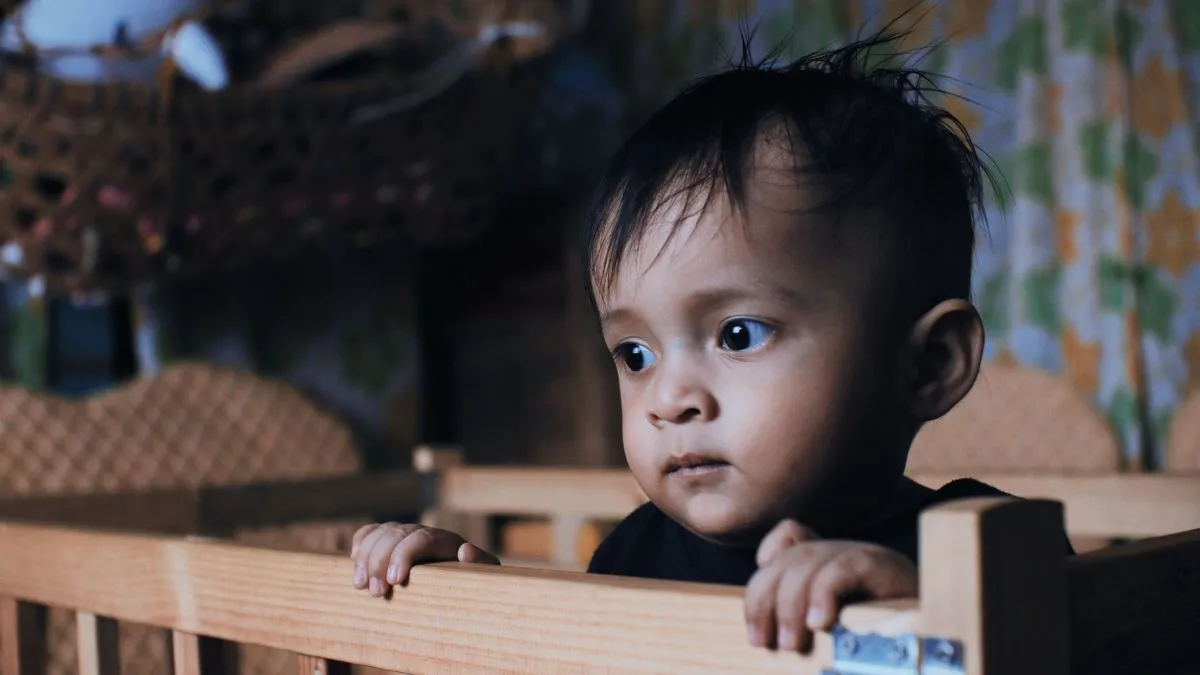
Sometimes, children might appear to be daydreaming, with their eyes fixed somewhere in space even while they are involved in play or other activities. Normally, this could just be normal and does not necessarily imply anything wrong with the child. On the other hand, when this happens repeatedly and is abnormal for the child, the parents need to be more attentive.
Dr Vivek Gupta, Additional Director - Paediatrics and Neonatology, CK Birla Hospitals, Jaipur, explains what parents should observe when a child appears to "zone out" and when it may be worth discussing these episodes with a paediatrician.
Not every staring episode is a cause for concern
Occasionally staring into space can simply be linked to tiredness, boredom or a lack of engagement. The important thing is to notice whether the behaviour is different from what is usual for the child. One useful thing for parents to observe is whether the child responds when their name is called or when someone gently tries to get their attention. Parents may also observe any sudden instances when the child gets into a state of inactivity or blank stare for a few seconds, especially when this occurs while the child is doing something or participating in conversation.
What follows after that may provide additional signs. Does the child instantly get back to whatever he/she was doing, or does it take some time for him/her to react?
This information may allow a paediatrician to find out if it is a case of normal distractions or if more attention should be paid to this situation.
Look at the bigger picture
Parents should also be aware of whether there are any other issues related to the staring spells. Difficulties with attention span, learning, behaviour, sleep, development, or school performance might suggest that it will be helpful to consult a specialist on this matter.
Also, teachers' observations could be valuable in case they saw the same spells or any other changes in the child's behaviour in the classroom.
On the other hand, parents should not come up with any conclusions too fast. Every staring spell does not necessarily indicate any medical issue, and self-diagnosis is not the best choice.
Nevertheless, it would not be correct to assume that every repeated stare is a sign of daydreaming.
What parents can note during staring episodes?
If these episodes keep occurring, maintaining a simple record can be useful. Parents can note:
- When the episode happened
- How frequently it occurs
- How long it lasts
- What the child was doing beforehand
- Whether the child responds when spoken to
If possible and appropriate, parents can also record an episode on their phone. Such a recording may give the paediatrician additional context during a consultation.
Trust your observations
Dr Gupta emphasises that parents know their child's usual behaviour better than anyone. If something feels noticeably different or out of the ordinary, it is reasonable to bring it up with the child's paediatrician. A clinical assessment can help determine whether the child needs further evaluation or referral to a specialist.
Children will naturally have moments when they simply stare into space. But paying a little closer attention to these moments can sometimes help parents recognise when a child may need some extra attention.
Disclaimer: Tips and suggestions mentioned in the article are for general information purposes only and should not be construed as professional medical advice.
Is your child growing well for their age? Doctor explains what parents should check
