
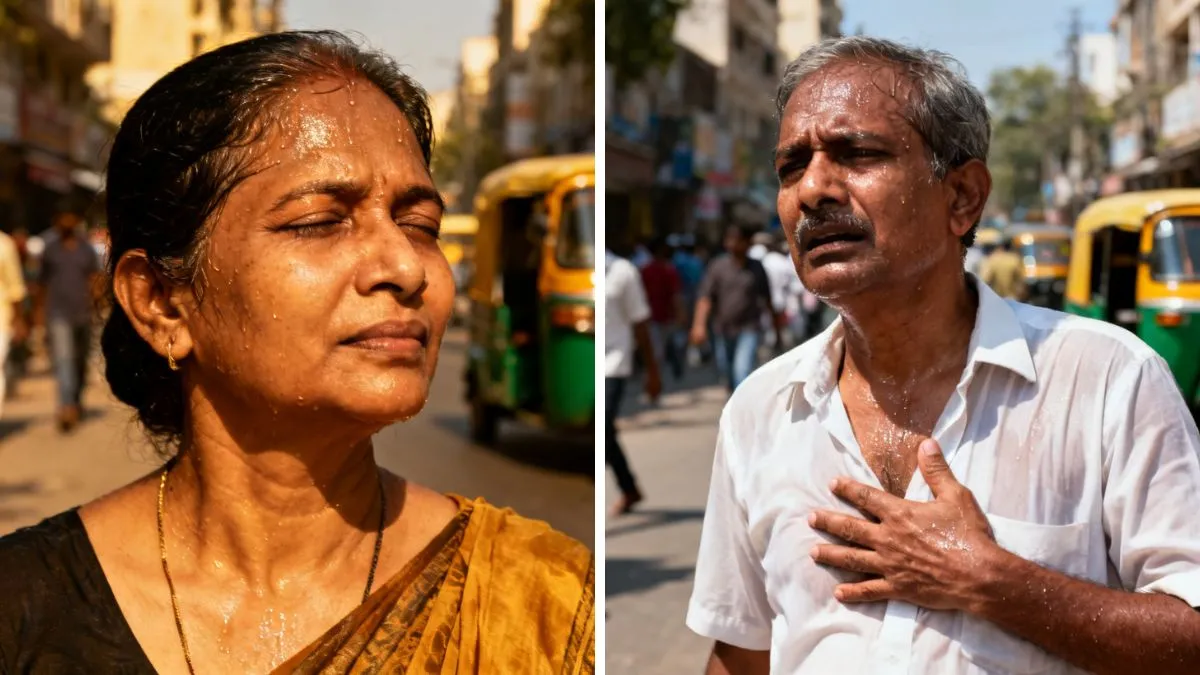
Physicians are noticing a pattern that goes beyond just the normal heat effects. While dehydration, heat exhaustion, and heatstroke are on the rise, they are not alone. The frequency of heart attacks, strokes, and the exacerbation of underlying diseases is also increasing.
Heat, it turns out, isn’t just uncomfortable. It puts the entire body under stress, especially the heart.
Why extreme heat affects your heart
When temperatures rise, the body works harder to cool itself. You sweat more. You lose fluids. Your blood volume drops. That forces the heart to pump faster and harder.
“Severe dehydration can thicken the blood, reduce circulating volume, and increase the risk of clot formation. In vulnerable individuals, this can even trigger a heart attack,” explains Dr Ranita Saha, Cardiologist at CK Birla Hospitals, BM Birla Heart Hospital.
Electrolyte imbalance is yet another risk factor that causes irregular heartbeats and raises the likelihood of developing complications such as strokes.
Symptoms that people overlook in the initial stages
The biggest danger lies in the tendency to overlook early symptoms. Something which is perceived as “just heat” can be much more than that.
Warning signs include:
- Constant tiredness
- Dizziness
- Sweating profusely
- Muscle spasms
- Nausea or headaches
These are frequently symptoms of heat exhaustion. However, if the symptoms progress to confusion, fainting, very high body temperature, or even absence of sweating, it could be a sign of heatstroke, a serious medical condition.
Who is more prone to heat-related illnesses
Not all people are equally susceptible. Some people have a much greater chance of experiencing problems:
- Seniors
- Infants
- Individuals with cardiovascular diseases, diabetes, or hypertension
- Outdoor workers
- People lacking the means of cooling
Humidity compounds the problem. In regions like eastern India, high moisture levels reduce the body’s ability to cool itself through sweat, increasing the strain on the heart.
When it becomes a medical emergency
Timing matters more than most people realise. “A heat-related condition becomes critical when there is altered consciousness, chest pain, breathing difficulty, or sudden collapse. At that point, even a short delay in treatment can be fatal,” says Dr Purusatyam Chakraborty, Consultant – Head Emergency & Triage at CK Birla Hospitals, CMRI.
Early recognition can make the difference between recovery and serious complications.
What you can do to remain safe
Fortunately, there is nothing drastic you need to do to prevent it. Just adopt certain practices, and you will be able to keep yourself safe:
- Remain hydrated all day long
- Stay away from direct sun exposure during the afternoons
- Wear breathable clothes
- If outdoors, take breaks frequently
- Visit older relatives and neighbours on a regular basis
Following heat wave notifications from the India Meteorological Department will also allow you to manage your time effectively. Nowadays, heat waves are more than just seasonal issues.
They are fast becoming a serious public health concern, one that affects not just how you feel, but how your body functions at its core. And when it comes to your heart, even a small delay in recognising the signs can have serious consequences.
Disclaimer: Tips and suggestions mentioned in the article are for general information purposes only and should not be construed as professional medical advice. Always consult your doctor or a dietician before starting any fitness programme or making any changes to your diet.
Also read: Delhi heatwave alert: Why you feel so exhausted in this heat
