
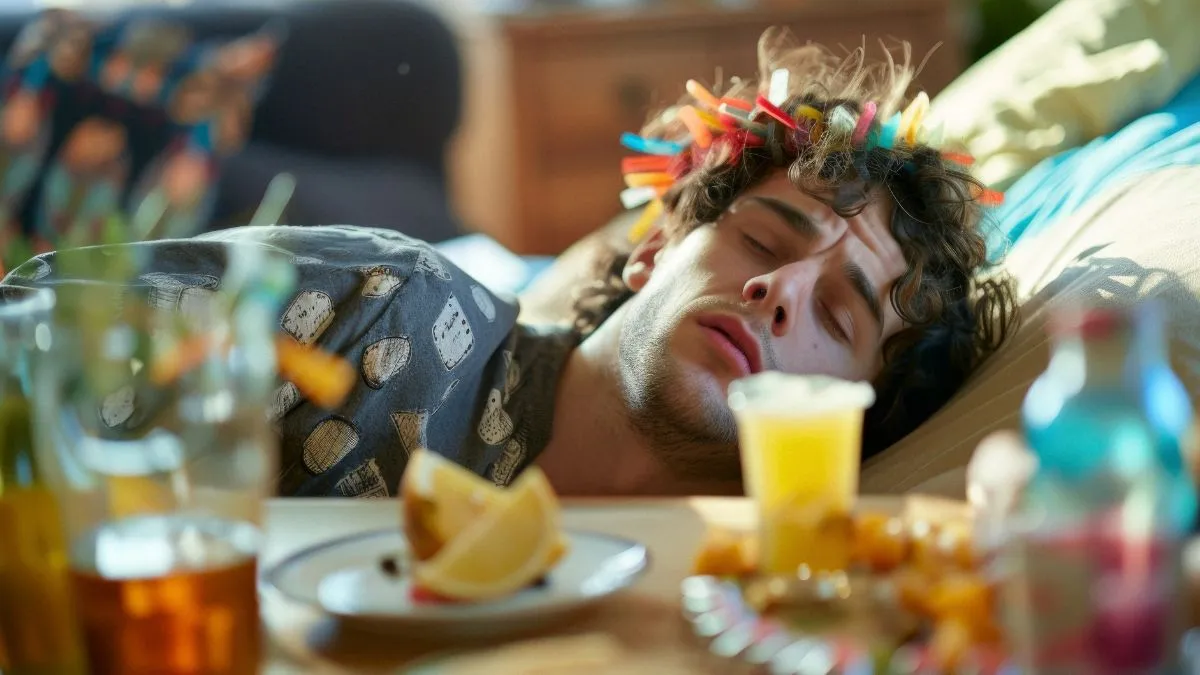
Christmas and New Year tend to blur together. One plan leads to another. A quick drink turns into a late night. Nobody is really thinking about the consequences. It feels harmless at the time.
Then the next day arrives. The body feels off, but so does the mind. There is a strange tension that does not match what actually happened. Nothing went wrong, yet everything feels slightly heavy. This is where hangxiety often shows up.
What hangxiety actually is and why it happens
Hangxiety is not just regret or nerves. It is a physical reaction that affects how the brain settles after alcohol leaves the system.
Alcohol temporarily slows parts of the brain linked to worry and self-control. Once that effect fades, the brain works harder to rebalance itself. That rebound can feel uncomfortable. Add poor sleep, dehydration, or skipped meals and the feeling becomes stronger.
People who already deal with stress or anxiety may notice it more. Even those who rarely drink can experience it. It is less about how much was consumed and more about how the body copes.
Symptoms of hangxiety
- A restless or jumpy feeling.
- Going over small moments again and again.
- Feeling low without knowing why.
- Difficulty settling or focusing.
- Tightness in the chest or stomach.
- A sense of guilt that does not quite fit.
Ways to deal with hangxiety
- Drink water regularly, even if you do not feel thirsty.
- Eat simple food. Warm meals help more than snacks.
- Step outside if you can, even briefly. Fresh air changes things.
- Avoid replaying the night before. The mind will try, but you do not have to follow it.
- Rest when your body asks for it. If caffeine increases anxiety, skip it.
- Most of all, remember the feeling is chemical, not a personal failure.
The festive season is short. Your wellbeing lasts longer. Taking care of yourself after social nights helps the new year start on steadier ground, with less noise and more ease.
ALSO READ: From first to third trimester: How stress affects you and your baby
