
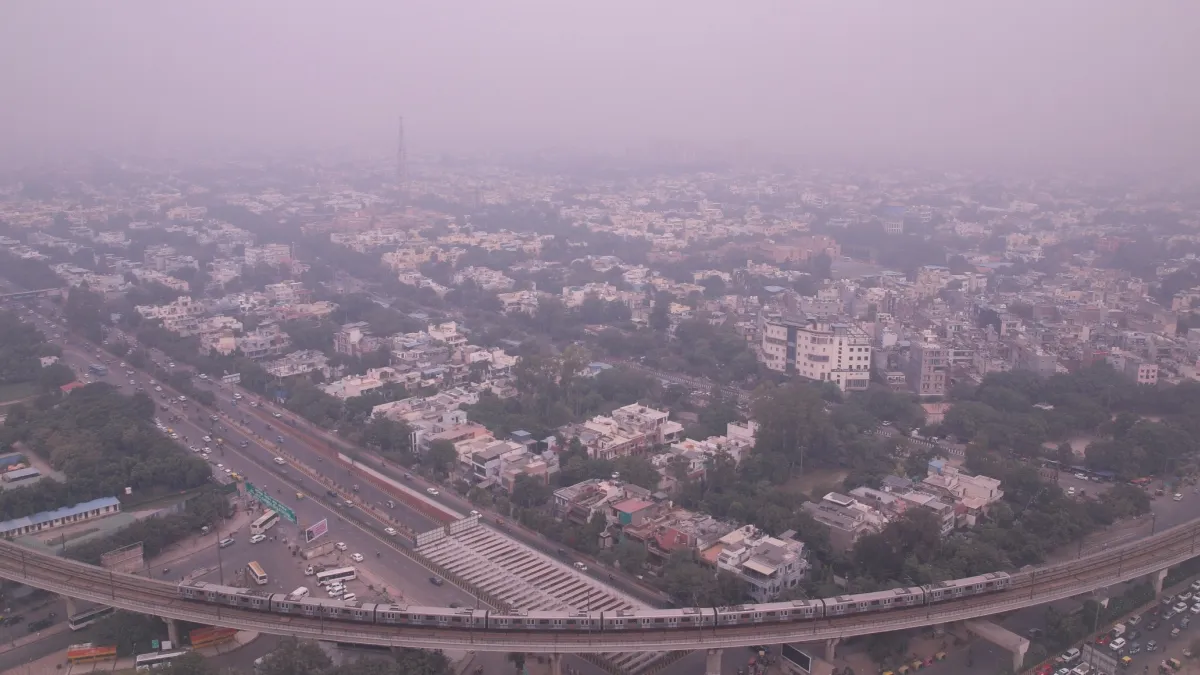
Every winter, Delhi is enveloped in a thick, grey blanket, a mix of smog, smoke, and silent suffering. The city’s infamous air quality crisis isn’t new, but what’s worrying is how deeply the damage runs. We’ve long known that pollution attacks the lungs; now, doctors say it’s quietly poisoning almost every organ in the body.
From kidney patients struggling through toxic air to women facing fertility challenges and children at risk of neurological harm, the Delhi smog crisis has evolved into a full-blown public health emergency. Experts from Fortis Hospitals and CIFAR explain how polluted air is reshaping India’s health in ways most people still don’t see.
The kidneys under attack: How pollution worsens CKD and dialysis outcomes
“Delhi’s smog is not just a respiratory threat — it’s a silent aggressor for kidney patients,” warns Dr Bhanu Mishra, Consultant Nephrologist, Fortis Hospital, Shalimar Bagh.
For patients already living with chronic kidney disease (CKD) or on dialysis, smog can be life-threatening. Fine particulate matter (PM2.5) doesn’t stop at the lungs — it slips into the bloodstream, causing oxidative stress, inflammation, and gradual kidney damage. Studies show that long-term exposure to these pollutants increases the risk of CKD by damaging the vascular system that supports the kidneys.
Dialysis patients face double jeopardy: the need to travel frequently in polluted air, and the lack of adequate air filtration in many treatment centres. “Even a few hours of outdoor exposure can raise infection risks or blood pressure,” says Dr Mishra. For early-stage patients, this exposure can accelerate decline — pushing them toward dialysis years sooner than expected.
The heart’s hidden burden: When smog stiffens arteries
Cardiologists across the NCR have long noted a rise in heart attacks and hypertension during high-AQI months. PM2.5 particles inflame the arteries, causing them to harden over time. “Air pollution heightens blood pressure and vascular inflammation — the perfect storm for heart attacks and strokes,” explains Dr Surakshith T K, Senior Consultant, Gastroenterology & Hepatology, Fortis Escorts, Okhla.
For kidney patients, this overlap is deadly: cardiovascular disease is already their leading cause of death. Add pollution to the mix, and it becomes a trigger for sudden cardiac events. Even healthy individuals aren’t spared — studies link Delhi’s winter smog to increased ER admissions for hypertension, arrhythmia and even heart failure.
Your brain, fertility, and skin — the invisible fallout
Beyond the lungs and heart, smog quietly infiltrates the body’s most delicate systems. Neurologists warn that long-term exposure can impair cognitive function and raise the risk of depression, anxiety, and even Alzheimer’s disease. “Children exposed from birth are especially vulnerable — their brains and lungs never develop fully,” notes Dr Vinit Banga, Director of Neurology, Fortis Hospital, Faridabad.
The impact extends to reproductive health as well. “Air pollution disrupts hormonal balance and reproductive function in both men and women,” says Dr Puneet Rana Arora, IVF expert at CIFAR, Gurugram. Women face increased risks of irregular cycles, miscarriage, and preterm delivery, while men experience reduced sperm count and quality. The fine particles and toxins in smog interfere with egg health, DNA integrity, and overall fertility potential.
Even the skin — the body’s largest organ — isn’t spared. Dermatologists report rising cases of acne, rashes, premature ageing, and dullness during pollution peaks. Exposure to particulate matter is a constant threat, damaging the skin barrier and triggering chronic inflammation.
Pregnancy and child health: The next generation at risk
Among the most alarming consequences of Delhi’s toxic air is its effect on unborn and young children. “Prenatal exposure to smog has been linked to low birth weight, preterm delivery, and even developmental delays,” explains Dr Arora. The particles cross the placental barrier, affecting foetal growth and future cognitive function.
Children growing up in high-pollution environments are more likely to develop asthma, bronchitis and reduced lung capacity. The damage, experts warn, is often irreversible — a generational health burden already visible in Delhi’s paediatric wards.
The call for action — and protection
Delhi’s smog is no longer a seasonal inconvenience; it’s a chronic, invisible epidemic. “The body doesn’t isolate the lungs — when the air is toxic, every organ suffers,” says Dr Banga.
Until stricter public health measures are enforced, doctors recommend practical defences:
- Wear N95 or N99 masks outdoors.
- Install HEPA air purifiers at home.
- Avoid outdoor exercise during peak hours.
- Include antioxidant-rich foods (vitamin C, omega-3s) in your diet.
Ultimately, clean air must be treated as a right, not a privilege. Because when Delhi chokes, it isn’t just lungs gasping — it’s hearts, kidneys, and generations of futures.
ALSO READ: The hidden lung dangers lurking in your kitchen, car and home
