
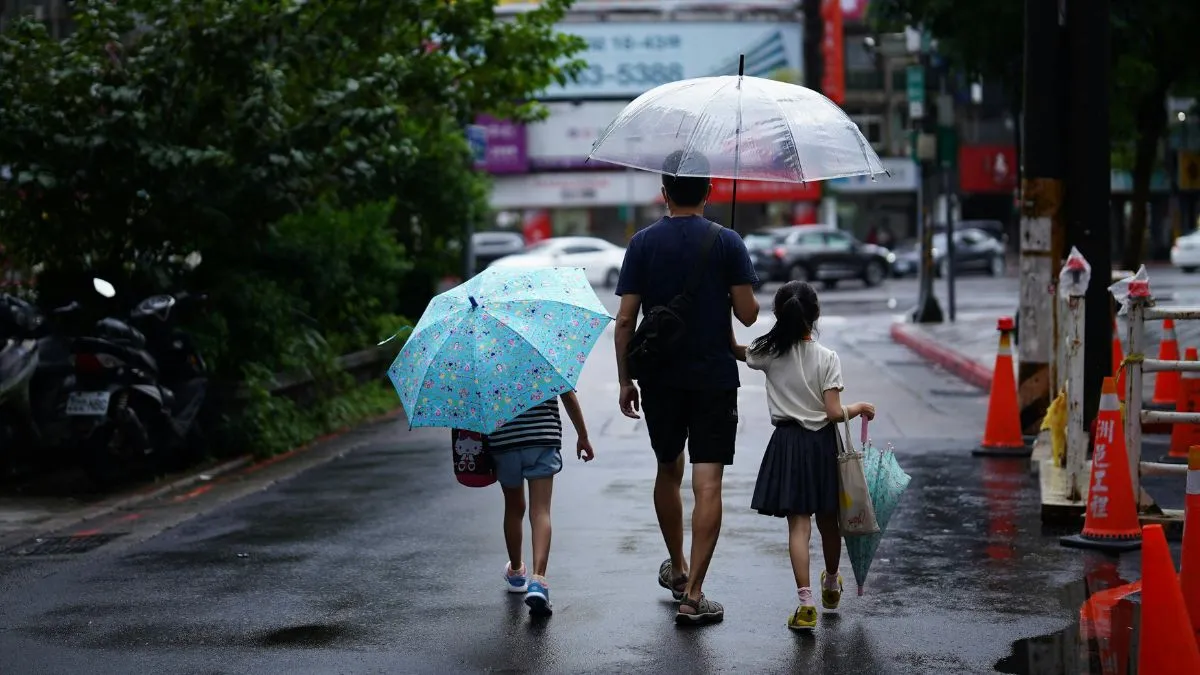
This year’s monsoon has done more than cool the summer heat. Large areas of Delhi-NCR have turned into mosquito breeding grounds, thanks to heavy rains. The result: an alarming and early rise in vector-borne diseases. Hospitals are already reporting higher-than-usual cases of dengue, malaria, and chikungunya for this time of the year.
In August 2025 alone, Delhi recorded 286.7 mm of rain — nearly 25% above the monthly normal. With more showers expected, the total is set to cross 300 mm, leaving the capital with a clear surplus this monsoon. Countless pools of stagnant water now act as perfect nurseries for mosquito larvae, fuelling faster case growth compared to previous years. Dr Rajesh Kumar Budhiraja, Director - Internal Medicine, Fortis Faridabad shared his inputs on the subject.
Dengue cases hit worrying levels this season
By the end of July, dengue cases had already reached 277, among the highest mid-year tallies in the past five years. Just three weeks later, the number crossed 350, with hospitals admitting nearly two dozen new patients each week. To compare, last year ended with over 10,585 dengue cases and 11 deaths.
Also read: Dengue fever: Doctor shares why more adults are now landing in ICUs with the mosquito-borne disease
Malaria makes a sharp comeback after years
Malaria, too, is resurging at a worrying pace. With 124 confirmed cases by late July, the count has already exceeded the total reported last year. Health officials say this is the sharpest rise in nearly a decade at this stage of the monsoon.
Also read: Malaria in children: Why kids are more vulnerable and how to protect them
Chikungunya cases remain low but risky
Although chikungunya cases remain relatively low at 17, experts warn of its potential to flare up in the coming weeks. Municipal reports show the gravity of the situation: in just one week of July, more than 9,100 mosquito-larva–positive sites were found across the city.
Also read: Chikungunya during monsoon: Can this mosquito-borne disease lead to arthritis? Expert explains
Key symptoms of dengue, malaria, chikungunya
Doctors stress that recognising symptoms early can save lives:
- Dengue: Sudden high fever, severe headache, eye pain, nausea, muscle and joint aches, rashes. Severe dengue may cause internal bleeding or circulatory collapse.
- Chikungunya: Fever with intense joint pain that may last for weeks or even months.
- Malaria: Recurring fever with chills, sweating, headaches, and fatigue. Severe cases may trigger breathing issues, confusion, or organ damage.
Doctors advise immediate hospitalisation if patients show persistent vomiting, stomach pain, bleeding, breathlessness, or sudden confusion.
Prevention tips to protect your home and family
Prevention remains the strongest defence. Experts recommend:
- Avoid stagnant water in buckets, tyres, pots, or construction sites.
- Keep water tanks and containers covered and cleaned regularly.
- Use mosquito repellents, nets, and full-sleeved clothing during peak activity hours.
- Support civic fumigation drives and report breeding sites promptly.
The rise in mosquito-borne diseases highlights how shifting weather patterns are reshaping public health. Unpredictable and intense rains are no longer just seasonal nuisances; they are breeding grounds for outbreaks.
With more rain forecast in September, experts warn of another surge in cases. But awareness, preventive measures, and timely diagnosis can ease the burden on hospitals and save lives.
Disclaimer: Tips and suggestions mentioned in the article are for general information purposes only and should not be construed as professional medical advice. Always consult your doctor or a dietician before starting any fitness programme or making any changes to your diet.
