
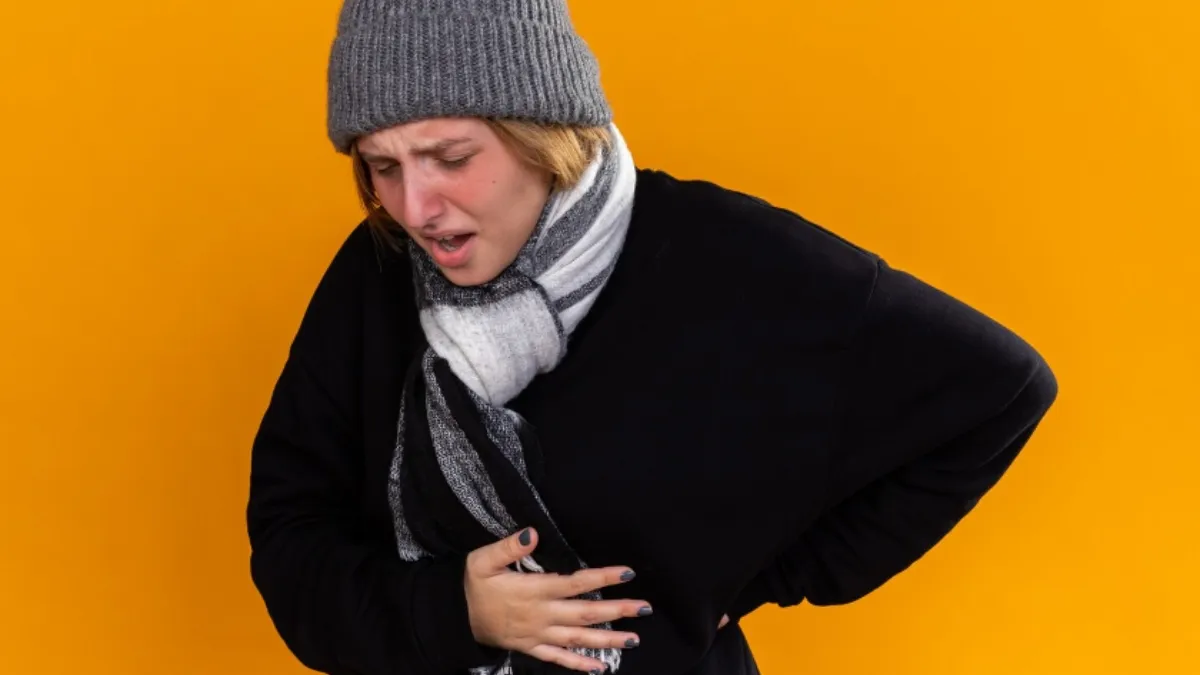
Constipation is having fewer bowel movements than usual or passing hard, dry, and difficult-to-pass stool. The signs and symptoms are straining, bloating, abdominal discomfort, and the feeling that the bowel hasn’t fully emptied. During winter, constipation becomes a common occurrence.
According to Dr Vikram Dharap, Consultant Gastroenterologist, Hepatologist, and Therapeutic Endoscopist, Medicover Hospitals, Kharghar Navi-Mumbai, it can happen because of reduced water intake, less movement, and colder weather, slowing down your body. This can be embarrassing and steal one’s peace of mind. But the good news is, with a few simple daily habits, you can prevent or ease this uncomfortable issue.
Constipation in winter: Simple daily habits to ease the problem
- Stay hydrated: When it's cold, you might not feel thirsty, but your body still needs fluids to keep the stool soft. Try drinking warm water, herbal teas throughout the day.
- Increase your fibre intake: Choose whole grains like oats and brown rice, root vegetables, legumes, and fruits such as prunes, apples, and pears for easy digestion. Also, seeds like flaxseed and chia are great for digestion in winter. It will be better to seek help from an expert who will guide you regarding what to eat and avoid when it comes to managing constipation.
- Exercise: If it is too cold outside, walk indoors, go to the gym, or do yoga and stretching. Did you know? Exercise tends to stimulate the digestive muscles and supports better bowel movements.
- Follow a well-structured routine: Eat your meals at the same time every day and give yourself a consistent window for going to the toilet. Even the bowel timing should be consistent. This helps your body build a natural rhythm for digestion.
- Avoid too much caffeine and alcohol: They can lead to dehydration and even constipation.
By staying hydrated, eating fibre-rich foods, exercising, and adhering to a consistent routine, you can effectively manage constipation during the colder months.
Disclaimer: Tips and suggestions mentioned in the article are for general information purposes only and should not be construed as professional medical advice. Always consult your doctor or a dietician before starting any fitness programme or making any changes to your diet.
ALSO READ: Blood in stool isn’t always piles: Doctor cautions young adults to stay alert
