
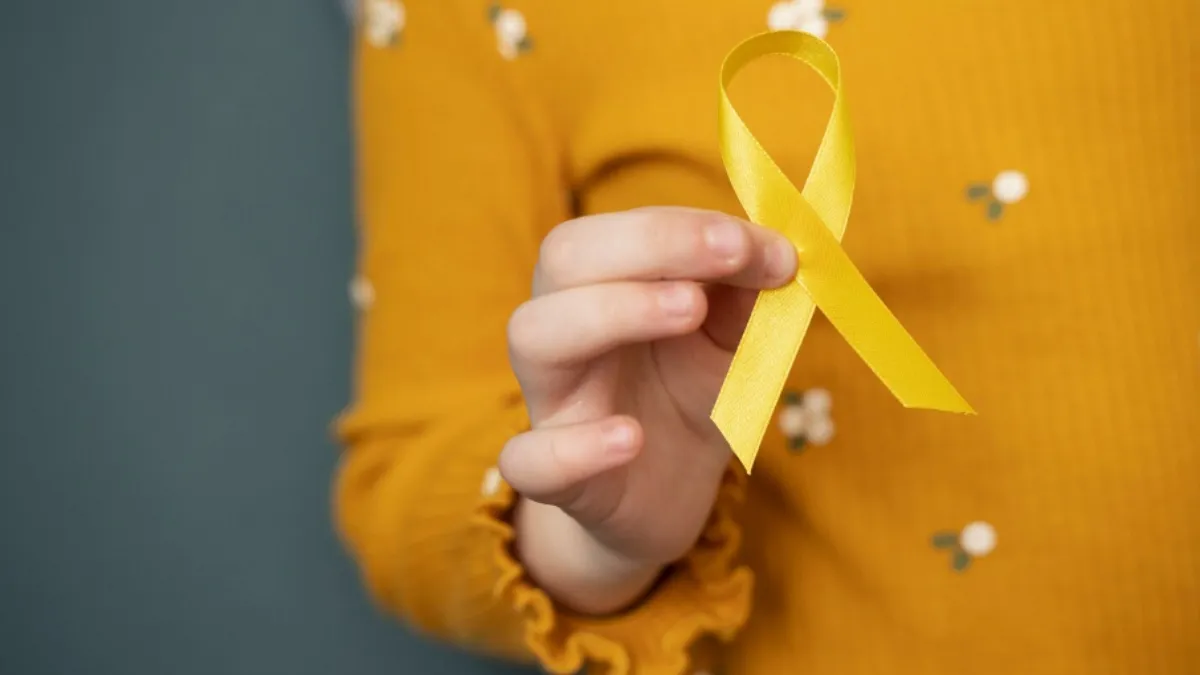
Childhood cancers are not only rare but also different in their physiology and treatment therapies compared to adult cancers. Early detection plays a crucial role in improving treatment outcomes. According to Dr K. Sreekanth, Senior Consultant Surgical Oncologist, Yashoda Hospitals, Hyderabad, understanding the common types of childhood cancers and their symptoms can help parents, caregivers, and health professionals spot potential warning signs early.
In this article, we will explore the most common childhood cancers and their symptoms, providing important insights into early intervention and care.
Types of Childhood Cancers
The most common cancers in children include
- Leukemia
- Brain and spinal cord tumours
- Neuroblastoma
- Wilms’ tumour
- Lymphoma
- Rhabdomyosarcoma
- Retinoblastoma
- Bone cancers
Leukaemia
About one-third of all childhood cancer cases are leukaemia, making it the most common type. Leukaemia occurs when abnormal cells replace healthy blood-forming cells in the bone marrow.
Symptoms:
Persistent tiredness, weakness, shortness of breath, pale skin, frequent infections, easy bruising, nosebleeds, bleeding gums, joint pain, swollen lymph nodes, and abdominal swelling.
Brain and Spinal Cord Tumours
The second most commonly seen cancer in children is brain and spinal cord tumours. When cells multiply out of control and form lumps, tumours result.
Symptoms:
- Persistent headaches
- Nausea and vomiting
- Blurred or double vision, sometimes with crossed eyes
- Problems with balance or coordination
- Seizures
Neuroblastomas
Neuroblastomas are tumours that start in immature nerve cells and typically show up in the abdomen. About 6% of childhood cancers are caused by them.
Symptoms:
- A lump or swelling in the abdomen, chest, neck, face, or legs
- Unexplained weight loss
- Difficulty breathing, swallowing, or using the bathroom
- Bone pain
Because these symptoms can overlap with other conditions, persistent or unusual signs should be checked by a pediatric specialist.
Wilms Tumour
About 4% of childhood cancers are Wilms tumours, a very rare kind of kidney cancer. Changes in specific genes and certain birth abnormalities may raise the risk, while the exact cause is unknown.
Symptoms
- A swollen abdomen or noticeable lump in the belly
- Fever and nausea
- Loss of appetite or constipation
- Blood in the urine
Lymphoma
Lymphoma is a type of blood cancer in which lymphocytes (white blood cells) are affected. It usually appears in lymph node regions such as the groin, armpits, or throat.
Symptoms of lymphoma may include:
- Unexplained weight loss
- Persistent fever
- Night sweats
- Fatigue
- Swollen lumps under the skin, particularly in the throat, armpits, or groin
Rhabdomyosarcoma
A cancer that occurs in the body's connective tissues, such as muscle and fat, is called rhabdomyosarcoma. Specifically, it starts in the cells that typically grow into muscle.
Symptoms
Pain or a noticeable lump that may be swollen
Additional symptoms may depend on the tumour’s location. For instance, tumours in the ear can cause earaches, headaches, or nosebleeds.
Bone Cancer
Approximately 3% of all childhood cancers are bone cancers. Ewing sarcoma and osteosarcoma are the two primary forms that affect children. Prolonged bone pain and swelling in the affected location are the main symptoms. Early detection is crucial since bone cancer may hinder normal bone growth and initially appear to be injuries.
Retinoblastoma
Retinoblastoma is a rare cancer of the retina affecting children under the age of 5. With early detection, it can often be successfully treated, preserving both vision and life. The cancer may affect one or both eyes.
Key signs and symptoms to watch for include:
- A white reflection in the pupil, often resembling a cat’s eye in photos (when one eye shows red from the flash but the affected eye appears white).
- Squinting or misalignment of the eyes.
- Changes in the iris colour.
- A red or inflamed eye.
- Poor vision.
Understanding the common types of childhood cancers and their symptoms can help parents, carergivers and health professionals spot potential warning signs early.
ALSO READ: Common allergies in children and how parents can manage them effectively
