
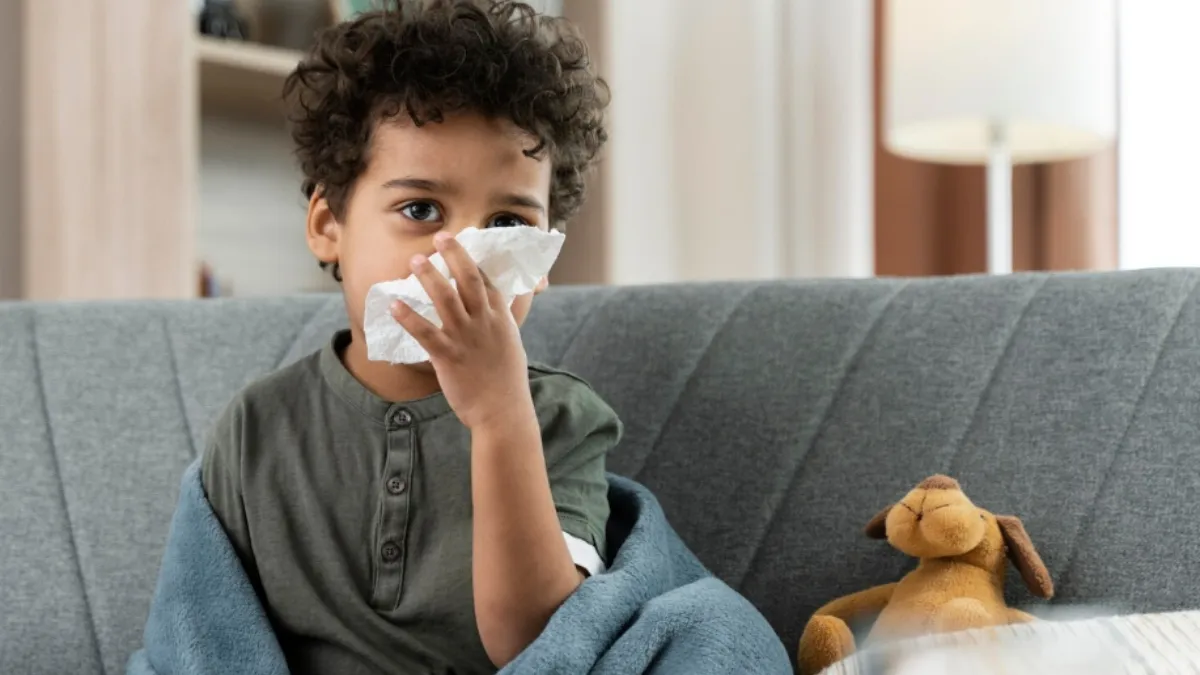
Parents, are you aware? Various factors, such as food, pollen, pet dander, and dust mites, are among the leading causes of childhood allergies that can bring discomfort to children. Many children will experience symptoms, from sneezing to severe reactions like anaphylaxis.
According to Dr Amit Gupta, Senior Neonatologist and Paediatrician, Motherhood Hospitals, Noida, it is the need of the hour for parents to pay utmost attention to the child’s well-being and prevent allergies. Here, the expert highlights common allergies, causes, symptoms, complications, management, and preventive measures.
Common causes of allergies in children
Allergies occur when a child’s immune system mistakenly reacts to a harmless substance as if it were dangerous. Common factors include foods like milk, eggs, peanuts, soy, wheat, and shellfish; environmental triggers such as pollen, dust mites, and mould; animal dander from pets like cats or dogs; and even insect stings and certain medications. Moreover, genetics tends to play a part, as those children with parents who have allergies or asthma are more likely to develop them.
Symptoms and complications of untreated allergies
Allergies also vary by age, like food allergies, which are commonly seen in infants and toddlers, and environmental allergies like pollen, dust and mould allergies come once the children start going to school. Untreated allergies can lead to atopic march – a cycle where a child may first develop eczema, then food allergies and later allergic rhinitis, asthma or sinus infection. Moreover, even exposure can trigger anaphylaxis, a life-threatening reaction that requires emergency attention without any delay.
Sometimes, the allergies can interfere with the child’s daily routine and impact his/her academic performance. The child will be unable to focus on their studies and will be constantly stressed or anxious. So, it is better to report the symptoms to the doctor for timely action.
When to see a doctor: Recognising warning signs
The diagnosis is done with the help of medical history, physical examination, and allergy tests such as skin prick tests or blood tests. The management will involve medications like antihistamines or nasal sprays to reduce symptoms. Those with severe allergies will also be advised to undergo allergen immunotherapy (allergy shots) in select cases for long-term relief. The line of treatment will be decided by the doctor. Parents should avoid giving any medication on their own. Nutrition plays a supportive role as well. Parents must give diets rich in vitamin C, vitamin D, and probiotics like yoghurt, which can strengthen the immune system.
Final thoughts: Helping your child live allergy-free
The last word: Parents, understand that while not all allergies can be prevented, parents can reduce risks by maintaining a clean environment, using dust-proof bedding, keeping pets out of bedrooms, ensuring children eat a balanced diet, and monitoring exposure to potential allergens. Children should also maintain good personal hygiene. So, teaching children about their triggers and how to avoid them is equally important. Make sure to take charge of your child’s health, which will make a huge difference. So, with timely treatment and preventive steps, most children with allergies can lead healthy, active lives.
ALSO READ: A doctor explains why timely vaccination is the best gift for your child
