
In today’s world, the majority of urban professionals are involved in activities which place a lot of demand on the eyes. Corporate life, especially in the urban setting, involves long hours of screen time and demands constant availability. This has a huge impact on the visual system and also disrupts work-life balance to a great extent.
Common eye issues faced by urban professionals
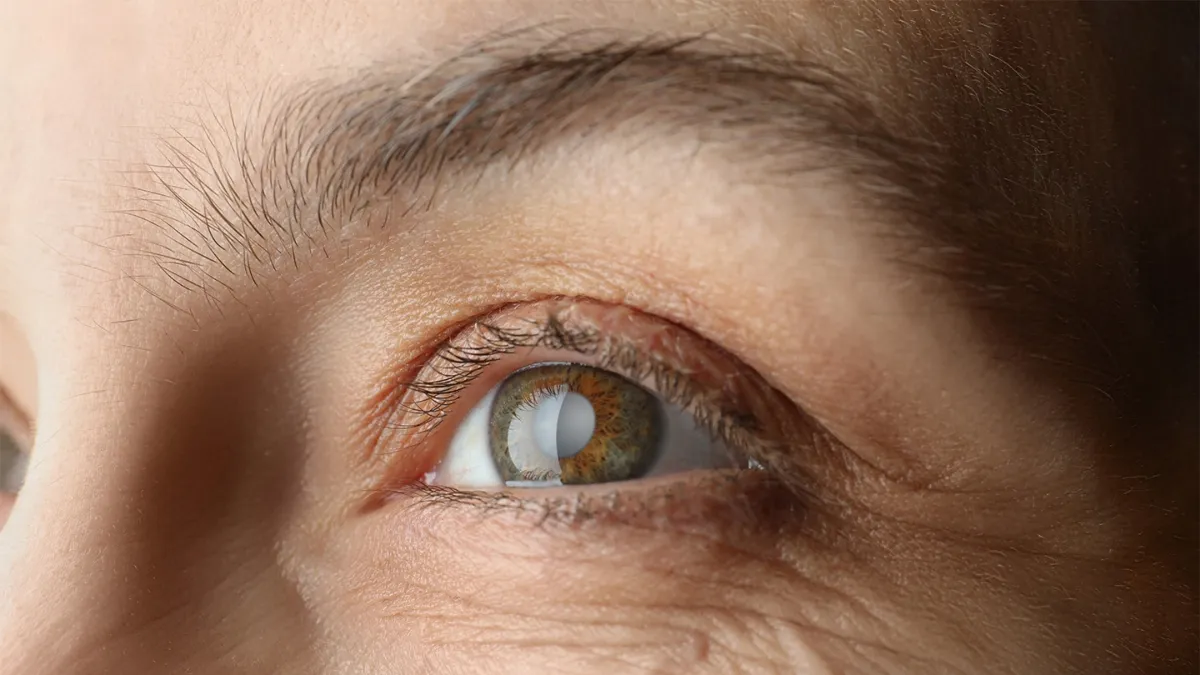
According to Dr Minal Kanhere, Cornea, Cataract & Refractive Surgeon at Aayush Eye Clinic, A Unit of Dr Agarwals Eye Hospital, Chembur, there are a number of eye problems which can significantly impact the productivity of urban professionals, such as refractive errors, dry eyes and cataracts. Cataract is a clouding or opacification of the naturally clear crystalline lens of the eye. The natural lens has the ability to alter its shape, allowing it to help focus on objects at different distances, such as near, intermediate and far. However, with the development of cataracts, the natural lens becomes dysfunctional and slowly loses its ability to focus.
This leads to additional demand on the eyes which manifests in the form of blurry vision, eye tiredness, heaviness, decreased colour and contrast sensitivity, seeing halos, glare, double vision and frequent change in glasses prescription. The progressive changes in vision make it difficult to perform daily tasks, especially those requiring fine detail, ultimately leading to decreased productivity at work.
Why do early cataracts often go unnoticed?
Urban professionals rely on their vision for many important tasks, such as reading small print, using multiple digital screens and driving. Early cataract often goes undetected as the symptoms are not very pronounced in most individuals. Majority of patients visit the ophthalmologist only after their vision is significantly compromised by the cataracts. By this time, they would have already spent a few years with eye strain due to suboptimal vision and low contrast sensitivity.
Risk factors accelerating cataract development
Cataracts can affect individuals at any age. Lifestyle factors such as diabetes, hypertension, high cholesterol levels, smoking, sunlight exposure, dietary choices and steroid use can significantly influence the risk and progression of cataracts.
The importance of regular eye checkups
The best way to detect early cataract is by undergoing a detailed annual eye check-up by an ophthalmologist. The main objective of screening is to detect and treat cataract in the early stages and prevent visual compromise. Early detection also has the advantage of fewer chances of surgery-related complications, faster recovery, better outcomes, and allowing the patient to have adequate time and comfort to make an informed choice.
Prioritising early detection and awareness
Early detection should be given priority, as cataracts can impact a person’s overall quality of life. Screening for cataracts is crucial for those at a higher risk due to age, family history, lifestyle factors and certain medical conditions. By routine screening and early detection, we can ensure timely intervention and optimise visual outcomes. People should be encouraged to stay proactive about eye health and not to wait until cataracts cause visual compromise. Such goals can also be achieved by promoting eye health and raising awareness about cataracts, especially in corporate settings, by means of health talks and awareness campaigns.
Disclaimer: Tips and suggestions mentioned in the article are for general information purposes only and should not be construed as professional medical advice. Always consult your doctor or a dietician before starting any fitness programme or making any changes to your diet.
ALSO READ: Supercharge Your Gut: 4 food combos a top gastroenterologist swears by
