
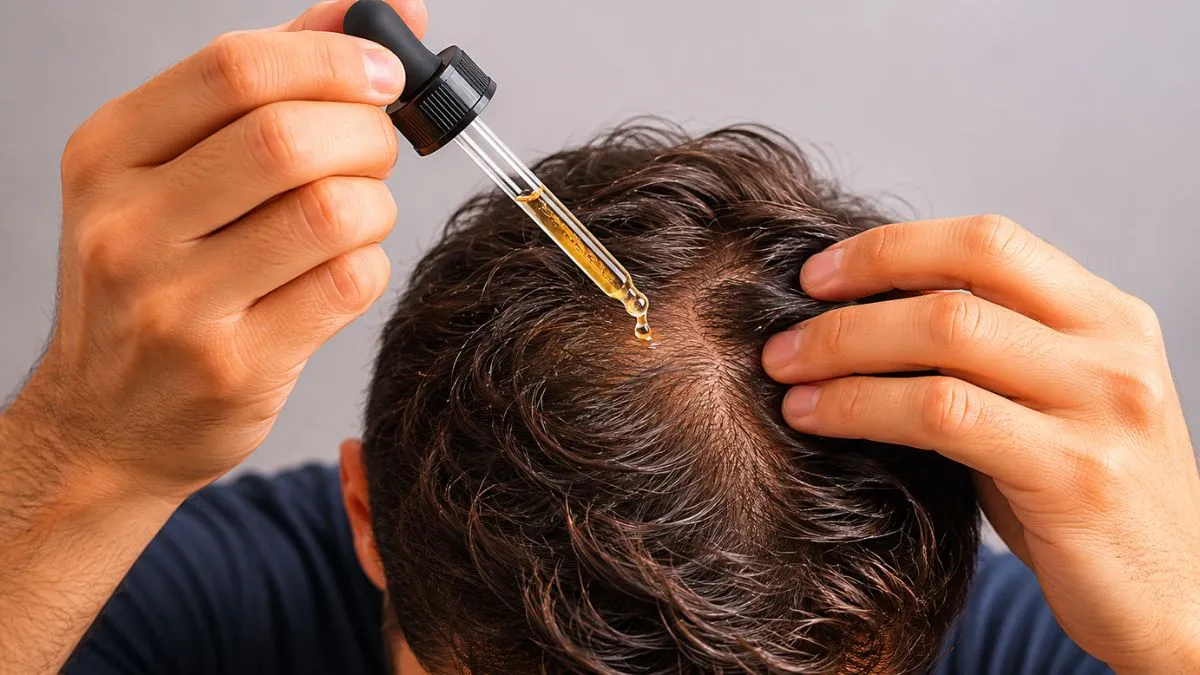
Hair loss treatments often involve a combination of medications designed to slow thinning and encourage regrowth. Among the most commonly prescribed options are finasteride tablets and minoxidil-finasteride topical solutions. While many patients use these treatments without major issues, questions have occasionally been raised about whether they can affect mental health in some individuals.
According to Dr. Shweta Manchanda, Visiting Consultant, Dermatology, Aakash Healthcare, such concerns should not be ignored, even though they remain relatively uncommon. She explains that while the treatment is generally well tolerated, doctors do pay attention when patients report changes in mood after starting therapy.
Can finasteride and minoxidil-finasteride treatment cause depressive symptoms?
Dr. Manchanda says some patients using a combination of finasteride tablets and minoxidil-finasteride solution have reported symptoms such as depression, anxiety or mood changes.
According to her, this is not a common side effect, but research suggests that hormonal changes involving dihydrotestosterone (DHT) may influence brain chemistry in certain individuals. She also points out that the emotional burden of dealing with hair loss itself can sometimes contribute to feelings of stress or low mood.
What should patients do if mood changes appear after starting treatment?
If depressive symptoms begin after treatment is started, Dr. Manchanda says doctors typically reassess the situation carefully.
This includes reviewing the medication being used, evaluating the severity of symptoms and examining when the symptoms first appeared. In some cases, reducing the finasteride dose may help. Some patients may be advised to take the medicine on alternate days, while others may be asked to stop it altogether if symptoms are significant.
She notes that mental health support and close monitoring are important during this period. According to the dermatologist, symptoms often improve after treatment adjustments, although individual responses can vary.
How do doctors know if finasteride is the cause?
Determining whether mood changes are directly linked to medication is not always straightforward.
Dr. Manchanda explains that doctors look at several factors before drawing conclusions. These may include a patient's previous mental health history, stress levels, sleep patterns, workplace pressures and any other medicines they may be taking.
She says that if symptoms begin soon after starting finasteride and improve after discontinuing it, the connection becomes more convincing. In some situations, psychiatric evaluation or ongoing monitoring may be useful in separating medication-related effects from unrelated emotional or psychological stress.
Can minoxidil work without finasteride?
For patients who need to stop or reduce finasteride, minoxidil may still remain an option.
Dr. Manchanda says minoxidil can be effective on its own for many individuals. It helps reduce hair thinning and supports hair regrowth by improving blood flow to hair follicles and extending the hair growth phase.
While she notes that results may sometimes be slightly less pronounced compared to combination therapy, long-term and consistent use of minoxidil alone can still produce positive outcomes for many patients.
Alternatives for people who cannot tolerate finasteride
Patients who are unable to tolerate finasteride due to side effects may have several other treatment options available.
According to Dr. Manchanda, these alternatives can include topical minoxidil, low-level laser therapy (LLLT), platelet-rich plasma (PRP), microneedling, nutritional support and, in some cases, hair transplant surgery.
She explains that the most suitable approach depends on multiple factors, including a patient's age, extent of hair loss, hormonal status, medical history and overall tolerance to treatment. For this reason, treatment plans are usually tailored to the individual's specific needs rather than following a one-size-fits-all approach.
Disclaimer: Tips and suggestions mentioned in the article are for general information purposes only and should not be construed as professional medical advice. Always consult your doctor before starting any treatment.
ALSO READ: Noticing hair loss after moving cities? Dermatologist decodes real causes of balding
