
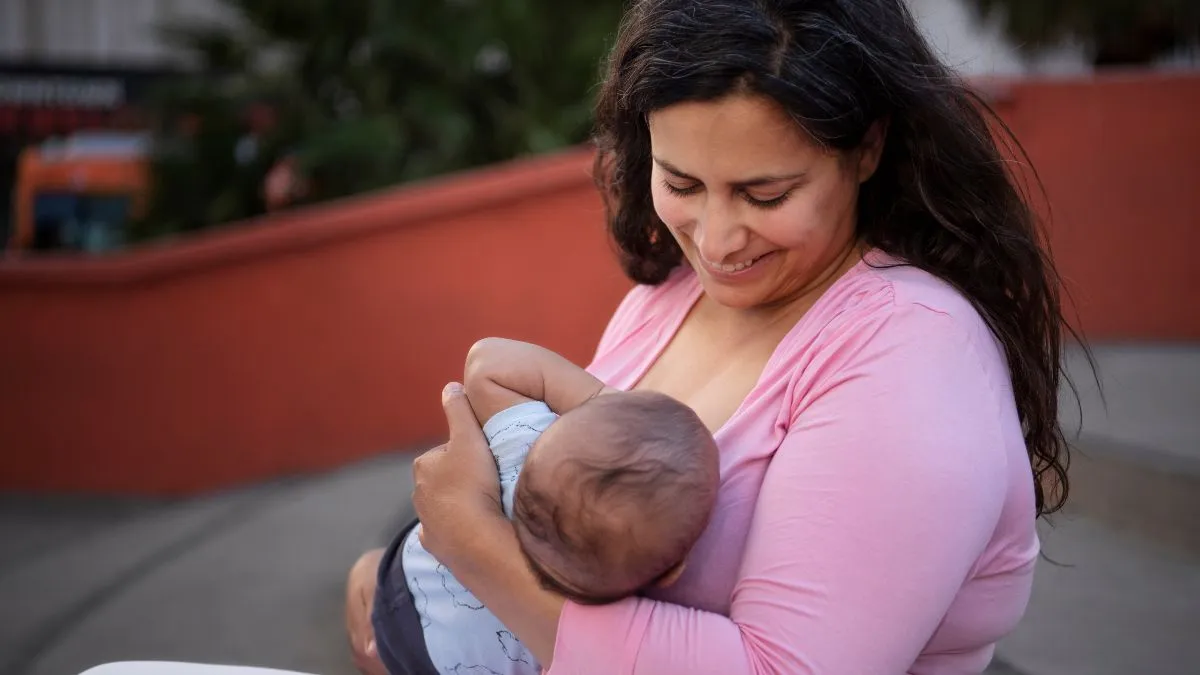
Though breastfeeding is said to be among the most natural ways of feeding the baby, it poses great nutritional burdens on the mother's body. It is not about consuming more food after pregnancy but ensuring that the food consumed will provide the required nutrients to help her regain strength and wellness.
As stated by Dr Anjali Kumar, who is the Director of Obstetrics & Gynaecology at CK Birla Hospital, Gurgaon, nutrient-dense food is the way forward for women who are breastfeeding their babies. “Eating a balanced diet is not just important to ensure proper breast milk production but also in recovering from pregnancy and maintaining energy.”
Do breastfeeding mothers really need to ‘eat for two’?
One of the most common ideas surrounding breastfeeding is that mothers need to eat for two. But Dr Kumar says the focus should instead be on the quality of nutrition. "In reality, the emphasis should be on nutrient-dense foods rather than excessive calories," she explains.
It is especially important to do so after giving birth, as the body is healing from pregnancy and childbirth while also being able to breastfeed. By eating an assortment of foods with proper nutrition, it will help the mother stay strong and healthy through this tough time period.
1. Protein: The foundation of postpartum recovery
Protein is one of the key nutrients breastfeeding mothers need. It plays a role in tissue repair after delivery and also supports breast milk production. Dr Kumar says protein can help mothers regain strength during the postpartum period. Vegetarian sources include lentils, beans, soy products, paneer, milk, yoghurt and nuts. For non-vegetarians, eggs, fish and lean meats can provide good sources of protein.
Instead of relying on one particular food, mothers can include different protein sources across meals to make their diet more varied and balanced.
2. Calcium: Don't overlook your bones
Calcium is yet another essential nutrient for nursing mothers. According to Dr Kumar, nursing leads to an increase in calcium requirement in the body, such that the body borrows it from the mother’s bones to meet the demands of the baby when there is insufficient intake of calcium from the diet. The good sources of calcium, according to the doctor, are dairy products, plant-based fortified drinks, sesame seeds, ragi, and green leafy vegetables.
3. Iron: Important when fatigue won't go away
Feeling fatigue post-delivery is natural, but nutritional deficiencies may further cause fatigue after pregnancy. It is observed by Dr Kumar that many women begin the postnatal stage with less iron content, especially due to bleeding after delivery. Deficiency of iron can lead to fatigue and lack of concentration.
The food sources for iron can be green leafy vegetables, beans, jaggery, dates, meat and iron-fortified cereals. According to Dr Kumar, it is better to combine iron-containing foods with those containing vitamin C, as it will enhance iron absorption.
4. Omega-3 fatty acids: Supporting baby's brain and eyes
Omega-3 fatty acids, particularly DHA, are another important part of a breastfeeding mother's diet. According to Dr Kumar, DHA contributes to an infant's brain and eye development. Fatty fish are among the richest sources, while mothers following a vegetarian diet can get plant-based omega-3 sources from walnuts, flaxseeds and chia seeds. Women who avoid fish and are considering supplementation should discuss suitable options with their healthcare provider, she adds.
5. Vitamin D: The nutrient often missed
Vitamin D can easily get overlooked when planning a postpartum diet, but it has an important role in calcium absorption, bone health and immune function. Dr Kumar says vitamin D supports these functions in both mother and baby. She also points out that deficiency is common, particularly among people who have limited sun exposure.
Whether supplementation is needed depends on individual assessment, so mothers should discuss this with their healthcare professional rather than starting supplements on their own.
What about hydration while breastfeeding?
Food is one of the aspects that make up postnatal nutrition. Water should also be considered. As Dr Kumar tells us, while drinking more water will not increase breast milk production, it helps replenish any fluids lost while feeding the baby. The message is not to consume too much water, but to ensure that some is drunk on a regular basis.
A breastfeeding diet does not have to be perfect
New mothers often face pressure to follow a perfect diet while simultaneously recovering from childbirth and caring for a baby. But nutrition does not need to become another source of stress. Dr Kumar's advice is to focus on variety, balance and sustainable choices, rather than trying to achieve dietary perfection. That means including protein-rich foods, calcium sources, iron-containing foods, omega-3 sources and vitamin D as part of an overall balanced diet.
As Dr Kumar puts it, "Looking after maternal nutrition is not a luxury; it is an investment in the health of two generations." For breastfeeding mothers, the message is therefore simple: nourishing yourself is not separate from caring for your baby. It is an important part of it.
Disclaimer: Tips and suggestions mentioned in the article are for general information purposes only and should not be construed as professional medical advice.
Here's why doctors say breastfeeding is the baby’s first vaccine
