
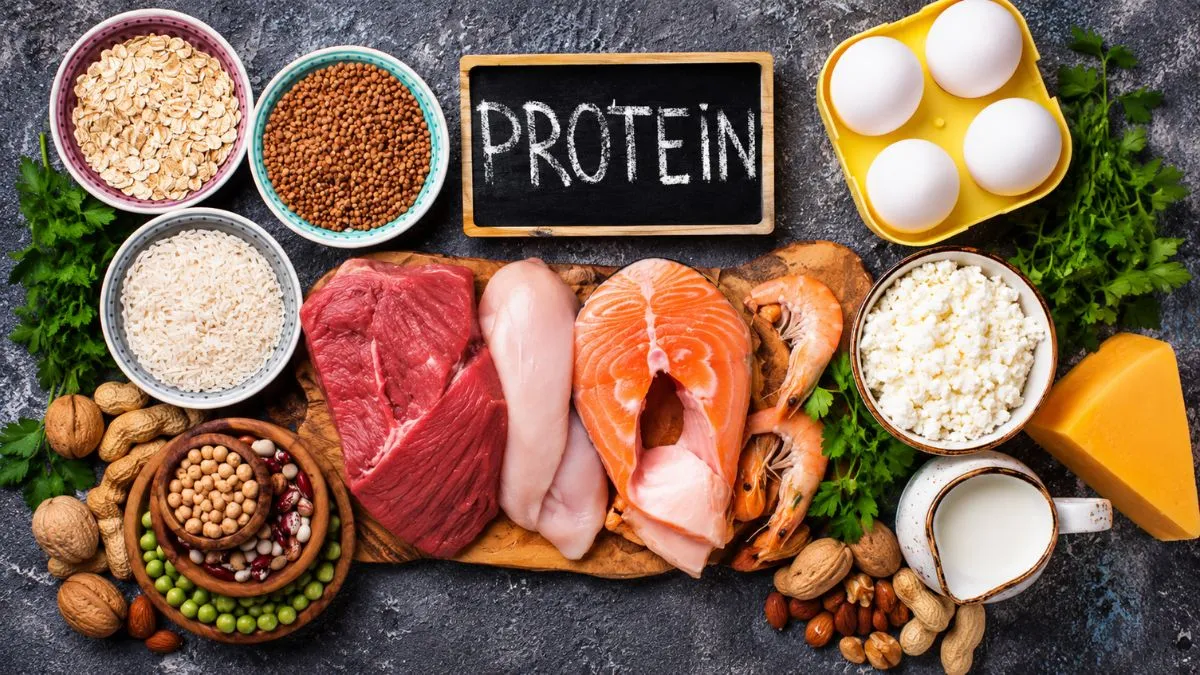
Protein is known to be a product that belongs to the gym culture only, but experts say that the use of protein is not only beneficial for achieving athletic aims. From hormones and immunity to hair health, metabolism and recovery, protein quietly supports several essential functions every day.
According to Dr Archana Batra, Dietitian and Certified Diabetes Educator, many people assume they are consuming enough protein simply because they eat dal, curd or occasional protein-rich foods. However, intake often remains much lower than what the body actually requires, especially among women, vegetarians, working professionals and people trying to lose weight.
Constant hunger and frequent cravings
If you find yourself feeling hungry soon after meals, your plate may be lacking adequate protein.
As Dr Archana Batra points out, the foods containing large amounts of refined carbs but limited in protein content can provoke frequent changes in blood glucose levels. As a result, people experience food cravings and eating in excess.
Protein increases the level of satiating hormones and keeps the person full for a more extended period of time.
Hair fall, weak nails and dull skin
Hair and nails are largely made up of keratin, which is a protein-based structure. According to the expert, when dietary protein remains inadequate for long periods, the body prioritises essential organs over beauty-related functions.
These include:
- Hair loss
- Weakness in nails
- Sluggish hair growth
- Dull skin
Collagen synthesis may also be affected when there is a consistent deficiency in protein intake as per Dr Batra.
Constant feelings of tiredness despite adequate rest
Fatigue does not always occur just because one doesn’t get enough sleep. Lack of proper protein intake can also be among the contributing factors.
Protein plays an important part in:
- Muscle recovery
- Production of enzymes
- Energy stability
An expert suggests that individuals who continue experiencing muscle soreness even after training, feel exhausted regularly, and experience low energy may not be taking adequate quality proteins.
Failure to lose excess body fat regardless of reduced calorie intake
Calories reduction tends to be prioritized by many weight loss attempts.
This can be counterproductive in some instances as insufficient protein intake can cause muscle atrophy and increased fat storage. The expert also points out that the body burns more calories digesting protein compared to fats and carbohydrates.
Frequent illness and low immunity
Protein also plays a major role in immune health because antibodies and immune cells are built using protein.
Dr Batra says frequent colds, slow wound healing and recurring infections may sometimes reflect nutritional gaps linked to insufficient protein intake.
Over time, low protein intake may quietly weaken immune function without obvious early symptoms.
How much protein does the body actually need?
As per the expert, protein intake depends on:
- Age
- Lifestyle
- Physical activity
- Purpose of health
Whereas a sedentary person needs about 0.8-1 gram of protein per kg of body mass, an active individual, elderly people, females having hormonal problems, and people desiring to reduce fat content would need increased intake.
Dr Archana Batra suggests incorporating protein-rich food sources like eggs, paneer, Greek yoghurt, tofu, pulses, dal, fish, chicken, soy products, nuts, and seeds into their diet rather than taking most of their proteins during dinner.
