
The National Democratic Alliance is set to form the government in Bihar with a big majority. As per the trends, the coalition is currently leading in 192 of 243 seats. The Mahagathbandhan is leading in only 47 seats, which is a big setback for the RJD-led coalition. The numbers could however change as the counting is still underway.
Amid the high-stakes battle in Bihar, Prashant Kishore-led Jan Suraaj, which fought its first full-fledged Assembly election, was pitched as the replacement for the conventional parties in the state. Kishore made ambitious promises, from stopping migration in the state to providing world-class education within the state.
However, the party’s performance has been underwhelming. As of now, it is not leading in even a single seat, aligning with exit-poll predictions that placed it at 0–2 seats. This marks a stark contrast between the party's expectations and on-ground reality.
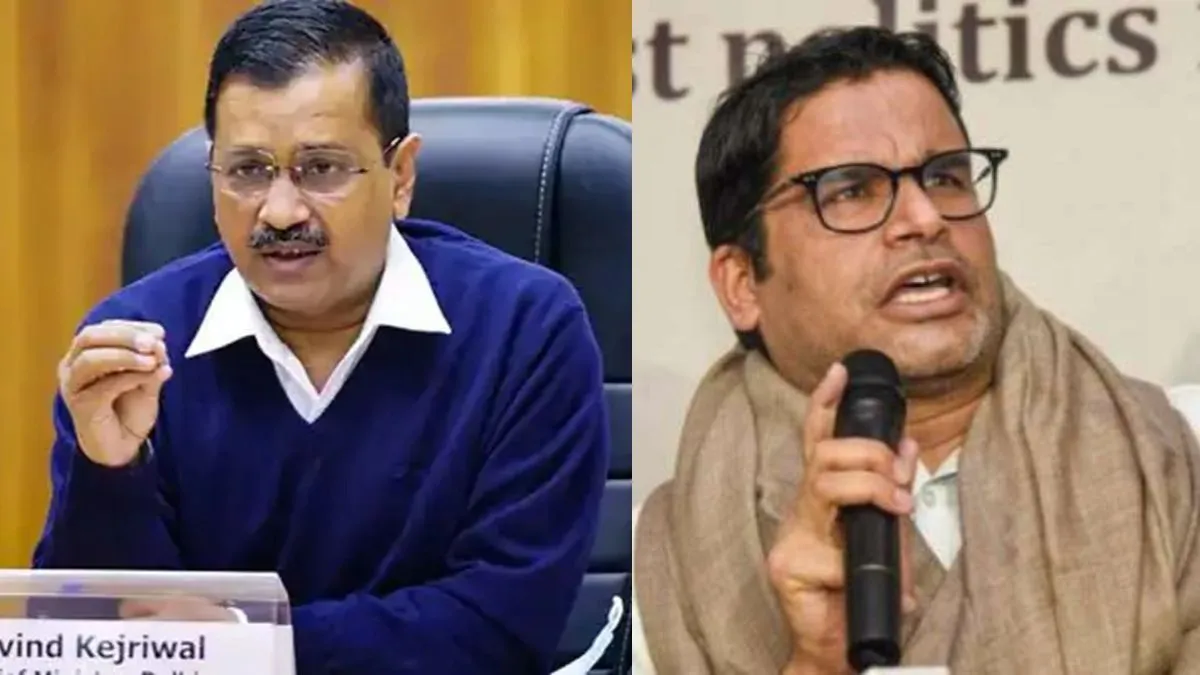
Prashant Kishore was frequently compared with Arvind Kejriwal, whose Aam Aadmi Party rewrote political equations during its debut in Delhi in 2013. Kishore, however, has often rejected this comparison, noting that Kejriwal emerged from a mass anti-corruption agitation, while his own entry into politics followed a different trajectory.
AAP’s debut vs Jan Suraaj’s debut: A study in contrasts
When the Aam Aadmi Party contested its first full-fledged Assembly election in Delhi, it produced one of the strongest debut performances in Indian electoral history by amassing 28 seats out of 70 and 29.49 per cent vote share. Kejriwal went on to become Chief Minister with outside support from Congress
Jan Suraaj’s struggle to make a mark
In sharp contrast, Jan Suraaj seems headed for a complete blank in its maiden electoral test. Despite Kishore’s statewide yatra, grassroots mobilisation attempts, and promises of systemic reform, the party has not secured a lead anywhere so far.
The comparison also underscores how a debut campaign’s momentum, political context and candidate resonance can vary drastically between states.
Record voter turnout in Bihar
The counting process began with postal ballots, followed by the opening of Electronic Voting Machines (EVMs) at 8:30 am. This two-phase election in Bihar saw a record voter turnout of 67.13 percent—the highest since 1951. Notably, women voted in larger numbers than men, with a turnout of 71.6 percent compared to 62.8 percent among male voters.
ALSO READ:
