
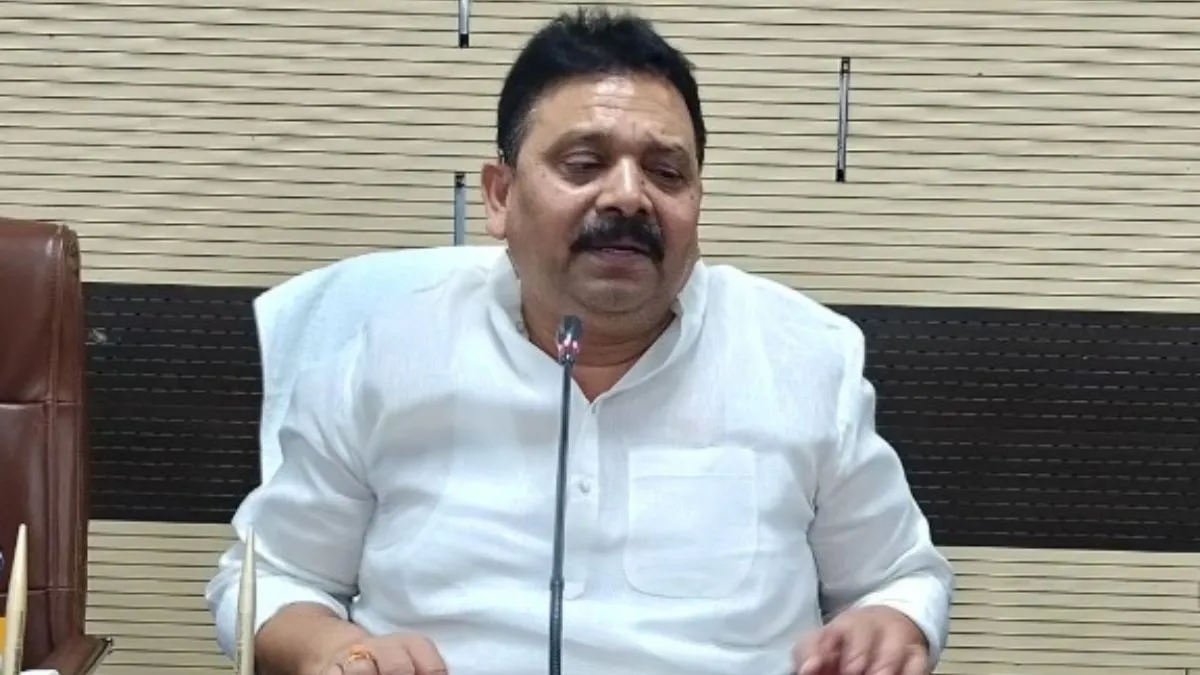
Uttar Pradesh government is set to roll out a series of property-related reforms, including the introduction of QR code-based verification for property ownership, seamless integration of land registry data with revenue department records for instant title updates and simplified rent agreements with minimal stamp duty.
UP Minister for Stamp, Court Fee & Registration, Ravindra Jaiswal, said the initiative was part of government’s Vision 2047 roadmap, adding that most of the aforementioned reforms will be implemented by March 2026.
“Currently, it takes 35-40 days after registration for the buyer’s name to reflect in revenue records. Soon, revenue officials will be posted at registration offices to verify records before a transaction is finalised. The buyer’s name will be updated immediately after registration, giving them instant ownership rights,” Jaiswal said in an interview with PTI.
Fixed charges to replace percentage system
Jaiswal, a BJP MLA from Varanasi, said that stamp duty, which is currently four per cent, will be removed and fixed charges will be introduced to encourage registered agreements.
"Many landlords hesitate to rent out their homes due to legal complexities and fear of tenants overstaying. The current stamp duty of four per cent makes registration expensive, leading people to opt for unregistered agreements, which hold no legal value. We are planning to introduce a fixed charge of Rs 500 to Rs 1,000 for registering tenancy agreements so that both landlords and tenants can secure their rights,” he said.
He said the government is also working towards easy resolution of family property disputes for up to four generations at a fixed charge of Rs 5,000.
Stamp duty rebate for women
The UP government has recently introduced a stamp duty rebate for women property buyers, offering a 1 per cent reduction on properties priced up to Rs 1 crore.
"This initiative is part of our broader mission to support women's financial independence. If a woman registers a property valued at Rs 1 crore in her name, she instantly saves Rs 1 lakh," said Jaiswal.
Registration hurdles to be removed
He also pointed out existing hurdles in the registration process that need addressing.
"Currently, stamp duty is calculated based on 42 different parameters, which often leads to confusion. Our goal is to reduce this number to around 18 to 20, making it easier for people to understand the applicable rules—whether it's for residential, commercial, or agricultural land. These complexities are a major reason behind fraudulent transactions," he added.
