
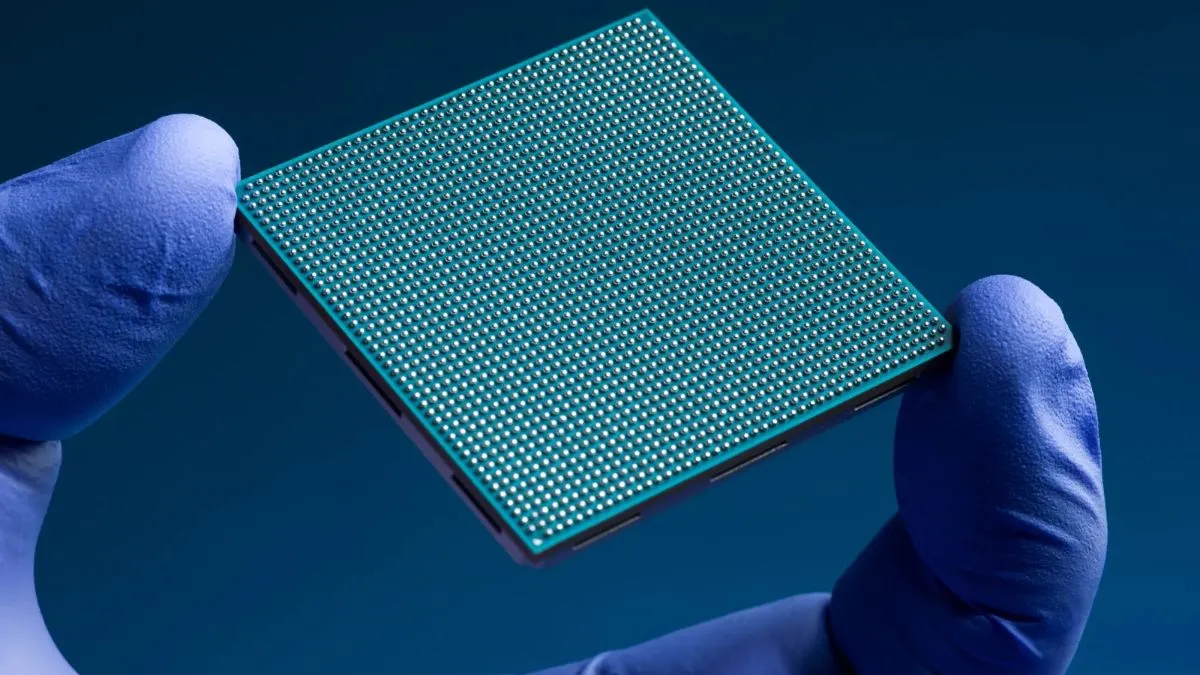
NASA is reportedly building a new kind of space processor, and currently, they are putting the chip through its paces at the Jet Propulsion Laboratory in California, part of the High Performance Spaceflight Computing project. This thing is not just a small upgrade; it is meant to blow the current technology out of the water.
NASA claims that the new processor can handle up to 100 times more computing power than what’s on board today’s spacecraft. In fact, the early numbers say it runs nearly 500 times faster than the standard radiation-hardened chips floating out there now.
Why bother with a new processor?
Most spacecraft use old, rugged chips because, honestly, they just survive out there. Radiation and wild temperature swings for those conditions would fry most hardware. But these tried-and-true chips are showing their age. New missions need real-time data crunching, artificial intelligence, and autonomy, things those chunky old processors just cannot manage anymore.
Why NASA needs a new space processor
NASA’s looking ahead to Moon and Mars missions and knows what’s coming. Spacecraft will have to steer and land themselves, crunch huge piles of science data on the fly, and even help astronauts troubleshoot emergencies, all without waiting for instructions from Earth. Eugene Schwanbeck, from NASA’s Game-Changing Development programme, explained the new multicore chip is built for flexibility, muscle, and fault tolerance.
NASA is testing the chip under extreme conditions
That’s what all the testing at JPL is about. They’re zapping it with radiation, putting it through brutal temperature shocks, rattling it with vibrations—anything that might wreck ordinary electronics. They even use pretty realistic landing scenarios to mimic what future missions might throw at it. Space is unforgiving. High-energy particles from the Sun can scramble circuits and push a spacecraft into “safe mode,” shutting everything nonessential off until ground engineers sort things out.
“Hello Universe” marks a symbolic milestone
At the start of all these tests, NASA’s team sent a little digital hello into the chip: “Hello Universe,” a nod to the old-school “Hello Universe” tradition in programming. Since February, the chip’s been running strong, handling everything they toss at it.
AI and autonomous spacecraft could become a reality
NASA are not working alone, and they are teaming up with Microchip Technology Inc. The result is a compact system-on-a-chip not much bigger than the palm of your hand but absolutely packed: CPUs, memory, networking hardware, interfaces, and computational accelerators are all in there.
That kind of horsepower means spacecraft can rely on AI for split-second decision-making, especially when every message to Earth takes minutes or hours to bounce back. Future ships could diagnose their own problems and analyse scientific data right on board, maybe even handle robotic exploration or support crewed outposts on the Moon or Mars, without waiting for orders.
Technology could benefit Earth's industries, too
And this chip is not just for space. Microchip plans to bring the technology back to Earth—think aviation, car manufacturing, advanced robotics, and high-demand industrial systems. NASA’s pushing the line that innovation for space travel often turns into progress everywhere.
NASA plans to use the chip in future missions
Once the chip’s passed every test, NASA wants to put it everywhere: next-gen satellites, planetary rovers, deep-space probes, and even future habitats for astronauts. The High Performance Spaceflight Computing project, managed by NASA’s Space Technology Mission Directorate, is all about pushing the tech frontier—and maybe changing more than just how we explore space.
