
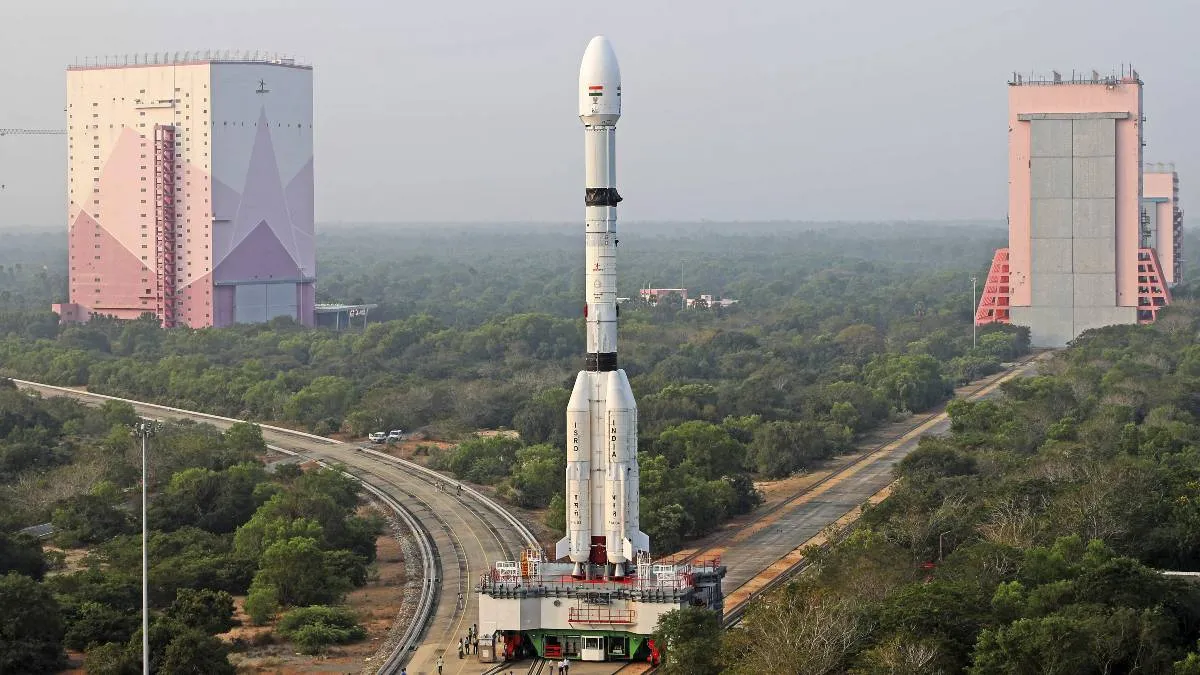
ISRO’s PSLV-C62 mission, carrying an Earth Observation Satellite (EOS-N1) and several commercial payloads, encountered a technical anomaly during the third stage of flight, ISRO Chairman V Narayanan confirmed on Monday. The 44.4-meter-tall, four-stage rocket lifted off as scheduled at 10:18 AM from the Satish Dhawan Space Centre in Sriharikota. The mission was designed to place the primary satellite and multiple co-passenger payloads into a 512 km Sun-Synchronous Orbit (SSO).
While ISRO maintains a high success rate and a global reputation for cost-effective satellite launches, this setback marks a rare instance of failure. Here are the last five times the space agency faced unsuccessful missions:
1. PSLV-C62 / EOS-N1 (January 12, 2026)
The launch took place today, January 12. According to ISRO, the first two stages performed within expected parameters; however, at the conclusion of the third stage (PS3), the vehicle experienced "disturbances". Addressing the team at Mission Control, Chairman Narayanan stated: "The performance of the vehicle was as expected up to the end of the third stage. Close to that point, we observed significant disturbance followed by a deviation in the flight path. We are currently analyzing the data".
2. PSLV-C61 / EOS-09 (May 18, 2025)
In ISRO's 101st mission from Sriharikota, the PSLV-C61 achieved a textbook liftoff at 5:59 AM, only to experience an anomaly 12 minutes into the flight. Chairman V Narayanan reported a drop in the motor case chamber pressure, which prevented the mission from being accomplished.
3. SSLV-D1 / EOS-02 (August 7, 2022)
The maiden flight of the Small Satellite Launch Vehicle (SSLV) suffered a setback during its terminal stage due to "data loss". While the three stages performed and separated correctly, the SSLV-D1 placed its satellites into an elliptical orbit instead of a circular one. The deviation was caused by a logic failure that failed to identify a sensor glitch and initiate salvage action.
4. GSLV-F10 / EOS-03 (August 12, 2021)
The GSLV mission failed due to an ignition failure in the cryogenic upper stage. This rocket was notably the first to feature a four-meter diameter 'Ogive Payload Fairing' designed to accommodate larger satellites.
5. PSLV-C39 / IRNSS-1H (August 31, 2017)
The launch of the IRNSS-1H navigation satellite was unsuccessful due to a failure in the heat shield separation. Although all other flight events occurred as planned, the satellite separated while still inside the heat shield, rendering it unable to reach orbit.
