
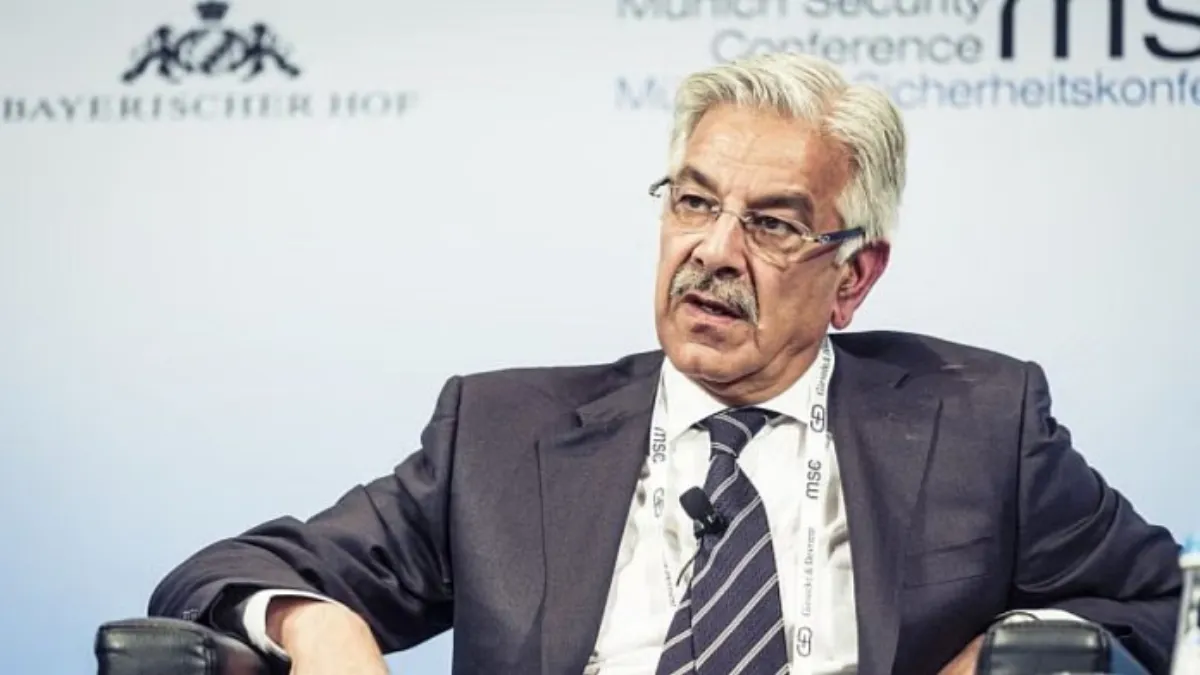
A day after Pakistan's Defence Minister Khawaja Asif declared the 1972 Simla Agreement "a dead document", Pakistan's foreign ministry issued a statement distancing the government from the minister's comments. The foreign office clarified that there has been no formal decision to revoke any bilateral agreements with India, including the landmark Simla Agreement. A senior official confirmed that all treaties, including the Simla Agreement, remain operational despite internal discussions triggered by recent developments.
Asif's controversial statement
In a televised interview on Tuesday, Defence Minister Asif had claimed that India's unilateral actions, particularly the revocation of Article 370 in Jammu and Kashmir, had rendered the Simla Agreement obsolete. He said, "We are back to the 1948 position, when the United Nations declared the Line of Control (LoC) a ceasefire line." Asif also questioned the viability of other agreements like the Indus Waters Treaty, suggesting that "Simla is already over."
His comments came amid heightened tensions between India and Pakistan, which flared following the Pahalgam terror attack in April and subsequent Indian military strikes in May. While Pakistan had previously indicated the possibility of reviewing the Simla Agreement, Asif's remarks marked a more significant shift in tone.
Foreign ministry steps in
In response, Pakistan's foreign ministry emphasised that there was no formal move to scrap existing agreements. The official statement reiterated that the Simla Agreement and other bilateral accords remain in effect, and any decisions regarding these treaties would be made following official procedures.
Simla Agreement and its significance
Signed in 1972 after the Indo-Pak war, the Simla Agreement laid the foundation for resolving disputes between the two countries through peaceful bilateral dialogue. India continues to uphold the principles outlined in the agreement, despite the current strains in relations. Asif's remarks signalled a potential departure from this framework, advocating for a multilateral approach to resolving Kashmir disputes.
Pakistan's nuclear posture and tensions with India
Asif also commented on Pakistan's nuclear readiness, asserting that Pakistan would only use nuclear weapons in the event of a "direct threat" to its existence. The Defence Minister warned that the threat of conflict with India remains real but assured that Pakistan does not seek war. He disclosed that Islamabad had engaged with regional and international stakeholders, including Gulf countries and China, to defuse tensions.
