
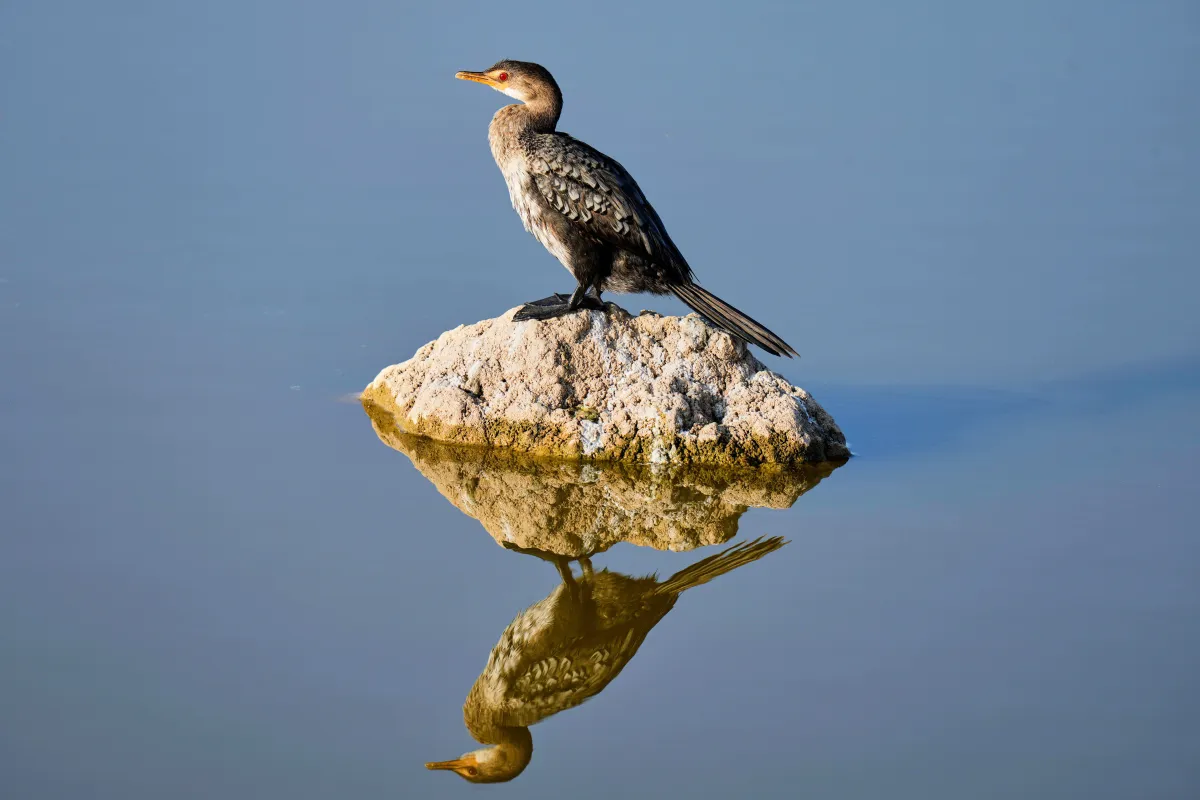
World Wildlife Day is observed on March 3 every year to highlight the significance of animals and plants in our lives. In 2026, the day is observed on Tuesday and the occasion reminds people that wildlife helps keep nature in balance and supports clean air, food and a safe environment. The day occasion also on people and groups to take small steps to protect nature. When wildlife is safe, the planet stays healthy as well.
On World Wildlife Day, India highlights its critical, lesser-known biodiversity facing severe threats like habitat loss and poaching. Beyond iconic tigers, endangered species such as the Gharial, Lion-tailed Macaque, Indian Pangolin, Red Panda, and Nilgiri Tahr are battling for survival in shrinking ecosystems. Take a look at some of India’s lesser-known species fighting for survival:
Gharial (Gavialis gangeticus): Critically endangered, these fish-eating crocodiles are threatened by sand mining, fishing net entanglement, and pollution, with populations in the Chambal and Mahanadi rivers.
Lion-tailed Macaque (Macaca silenus): Endemic to the Western Ghats, these monkeys are endangered due to habitat fragmentation and deforestation, often found in fragmented forests of Kerala and Tamil Nadu.
Indian Pangolin (Manis crassicaudata): Heavily poached for their scales and meat, making them one of the most trafficked mammals in the world.
Nilgiri Tahr (Nilgiritragus hylocrius): An endangered mountain goat endemic to the high-altitude grasslands of the Western Ghats, threatened by habitat loss and poaching.
Red Panda (Ailurus fulgens): Also known as the lesser panda, these arboreal mammals in the Himalayas are threatened by habitat degradation and bamboo forest loss.
Kashmir Red Stag / Hangul (Cervus hanglu hanglu): A critically endangered deer species found in the Kashmir region, facing threats from overgrazing and habitat degradation.
Indian Giant Squirrel (Ratufa indica): Native to India, these large tree squirrels are vulnerable to canopy fragmentation in forest habitats.
Spotted Pond Turtle (Geoclemys hamiltonii): Endangered due to poaching for the illegal pet trade and demand for its meat.
Check conservation efforts:
The Indian Wildlife (Protection) Act of 1972 and initiatives like Project Tiger and Project Elephant are critical, but many species still face extinction risks. Local community efforts, such as protecting the Kharmore bird in Rajasthan, are vital for the survival of these lesser-known, endangered species.
Also Read:
PM Modi goes on lion safari in Gujarat's Gir National Park on World Wildlife Day | Video
