
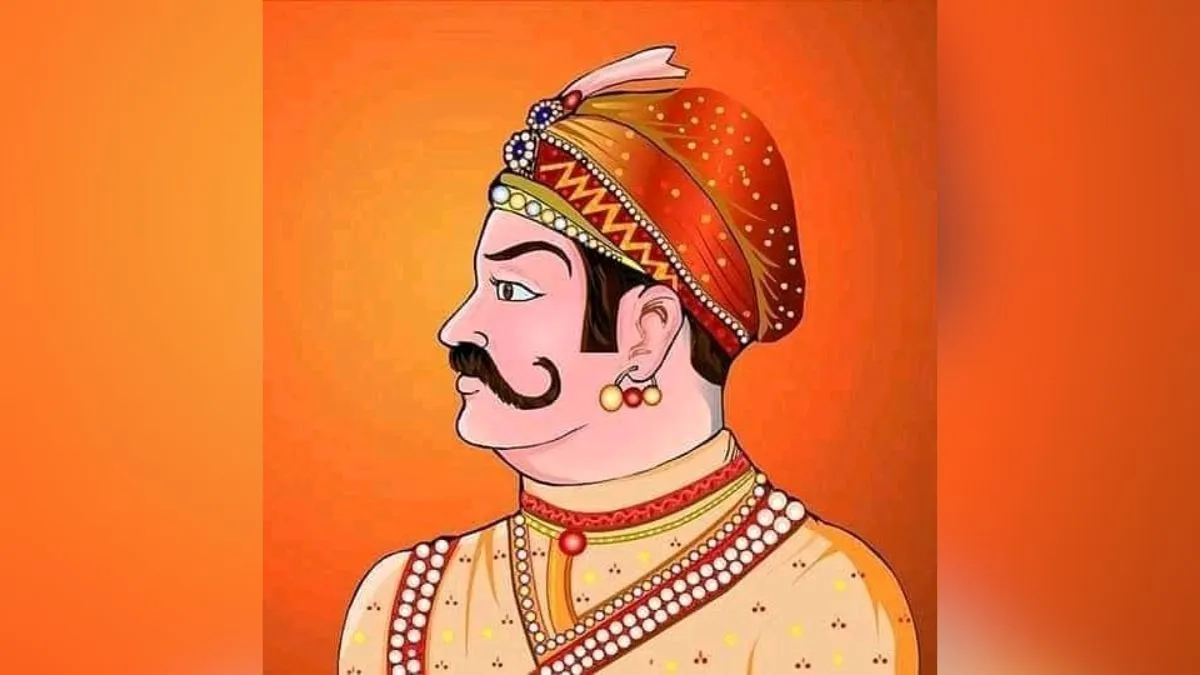
India's history is shaped by legendary rulers whose courage, vision and leadership left a lasting imprint on the subcontinent. From vast empires to fierce battles that changed the course of time, each era produced kings who stood as symbols of power and identity. Their stories continue to inspire curiosity, inviting us to revisit the turning points that defined India's political and cultural landscape. Among these defining chapters is the story of the ruler remembered as the last Hindu emperor of India, a figure whose legacy marked a dramatic shift in the region’s history.
The title "last Hindu emperor of India" is most commonly associated with Prithviraj Chauhan - the 12th-century ruler of the Chauhan dynasty. He governed a vast region stretching from Delhi to Ajmer and symbolised the final phase of powerful Hindu rule in North India. His reign marked the last major resistance against rising Turkic invasions. Prithviraj Chauhan ruled for approximately 15 years as most historical accounts place his reign from around 1177 CE to 1192 CE, ending with his defeat in the Second Battle of Tarain against Muhammad Ghori.
Rise of Prithviraj Chauhan
Prithviraj Chauhan ascended the throne at a young age but soon proved himself a strong warrior and an able administrator. His kingdom flourished economically and militarily under his leadership. Tales of his bravery became legendary across North India.
The battles of Tarain
The First Battle of Tarain in 1191 was a significant victory for Prithviraj, where he defeated Muhammad Ghori. This victory elevated him to near-legendary status and strengthened Hindu resistance. However, the tide would soon turn dramatically. In 1192, Muhammad Ghori returned with a stronger and more disciplined army. Prithviraj Chauhan suffered a decisive defeat that changed the political landscape of India. This loss marked the beginning of Muslim rule in North India and the decline of native Hindu imperial power.
Why is he called the last Hindu emperor?
After Prithviraj's fall, no Hindu ruler controlled such a large expanse of North India again. The Delhi Sultanate emerged soon after, ending the era of Hindu supremacy in the region. For this reason, he is popularly known as the last Hindu emperor of North India. Some historians argue that Harshavardhana was the last true Hindu emperor with a pan-northern empire before foreign invasions. Others believe that different eras produced their own dominant Hindu rulers. Each interpretation depends on geographic and historical context.
In the South, kings of the Vijayanagara Empire, especially Krishnadevaraya, are often considered the last great Hindu emperors. Their empire resisted invasions and preserved Hindu traditions for centuries. However, their rule did not extend to all of India, so they are seen as regional emperors.
Legacy of Prithviraj Chauhan
It is to be noted here that Prithviraj remains a cultural icon celebrated for courage, honour and resistance. His life is immortalised in folklore, poetry and historical narratives like "Prithviraj Raso." Even today, he stands as a symbol of the last great Hindu empire in North India.
ALSO READ: Which countries have no rivers and how do they survive without natural waterways
