
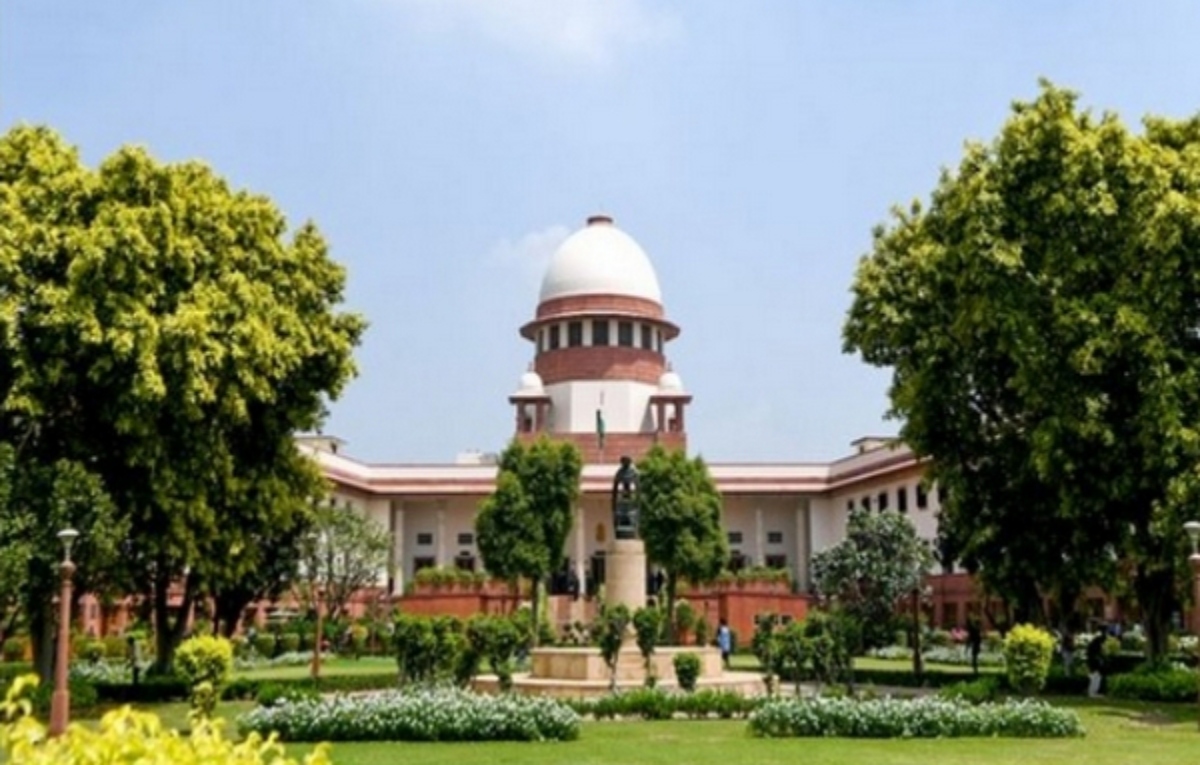
In a significant development, the Supreme Court on Friday directed all high courts to pronounce judgement within 3 months of reserving order. Observing that delay causes irreparable loss to litigants, the Supreme Court asked the high courts across the country to pronounce judgements within three months from the date of reserving order. Underlining that faster decisions are required in cases of personal liberty, a bench comprising Chief Justice Surya Kant and Justice Joymalya Baghchi stated that orders in bail applications should be pronounced the same day, and if they are reserved, they must be pronounced and uploaded the next day.
SC says order of bail should be communicated to jail authorities quickly
Issuing a series of directions, the Supreme Court said that order of bail or sentence suspension should be communicated to the jail authorities as soon as it is pronounced and the undertrial/convict should be released preferably the same day or at most the next day.
The Supreme Court issued these directives while exercising its powers under Article 142 of the Constitution. A bench headed by Justice Surya Kant directed all High Courts to pronounce pending judgments within three months.
SC says bail orders should be pronounced on same day
The Supreme Court ordered that bail orders be pronounced on the very same day, or on the following day if the judgment is delivered late in the day. The Supreme Court also directed lower courts to provide immediate intimation regarding regular bail orders.
It stated that undertrial prisoners granted bail should be released on the same day, subject to necessary formalities.The Supreme Court ruled that all judgments must be uploaded to the High Court websites within 24 hours of their pronouncement.
The Supreme Court further clarified that the date on which the operative part of the judgment is pronounced shall be deemed the date of the judgment. The Supreme Court observed that High Courts are primary institutions where thousands of people seek justice, and the timely pronouncement of judgments is essential. The Supreme Court clarified that these directives are not intended to cast any aspersion upon any judge or institution. Supreme Court's order in a matter concerning delays in judgments at the Jharkhand High Court.
Also Read:
Supreme Court ruling on Delhi-NCR stray dogs sparks debate: Here's how people reacted
