
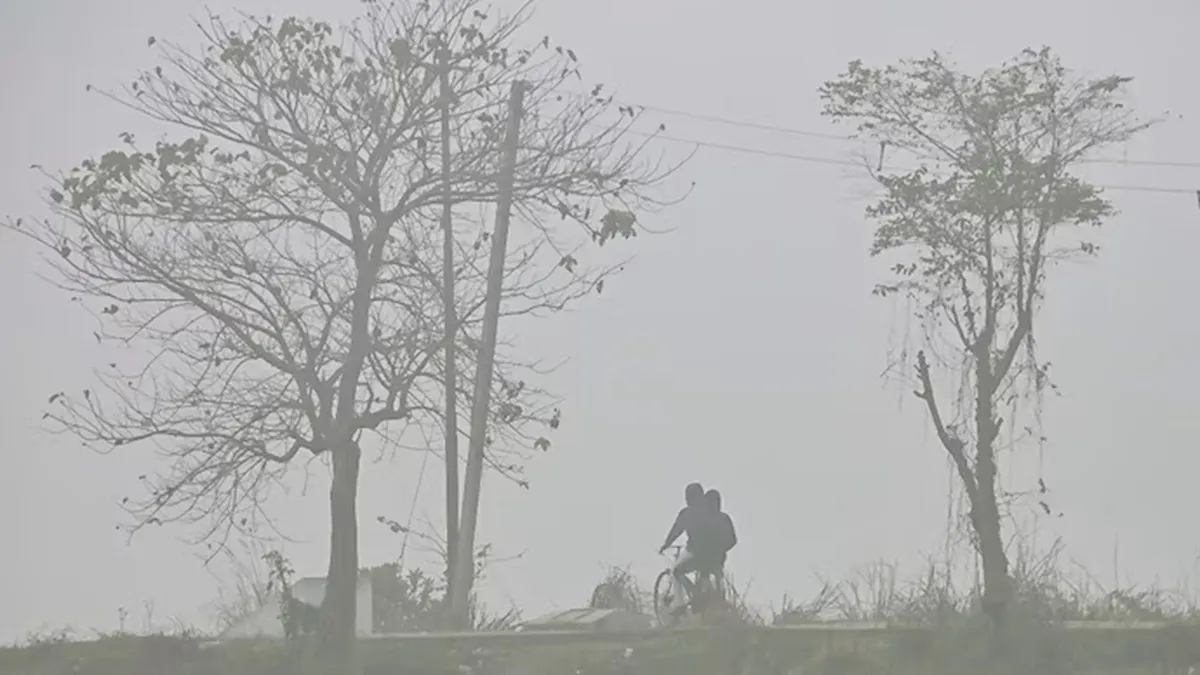
The India Meteorological Department (IMD) has forecast a colder three-month winter period with normal to below-normal temperatures likely across central India and adjoining northwest and peninsular regions. IMD Director General Mrutyunjay Mohapatra said in an online briefing that above-normal maximum temperatures could be seen in the western Himalayan region, Himalayan foothills, northeastern states and some pockets of eastern and western India.
Extra cold wave days expected in several states
The IMD is anticipating four to five additional days of cold wave conditions in Rajasthan, Uttar Pradesh, Madhya Pradesh, Haryana, Punjab and parts of Maharashtra. Mohapatra explained that these states usually witness four to six cold wave days between December and February every year. He added, "During the upcoming winter season (December 2025 to February 2026), normal to below-normal minimum temperatures are likely over most parts of central India and adjoining peninsular and northwest India. Above-normal minimum temperatures are likely over the remaining parts of the country." He further stated that maximum temperatures across most regions are expected to remain normal to below normal through the season.
Early cold wave spells and La Niña influence
The first round of cold to severe cold wave conditions arrived earlier than usual this year. It was recorded between November 8 and 18 in isolated pockets of west, central and adjoining east India, including northeast Rajasthan, south Haryana, north Madhya Pradesh, south Uttar Pradesh and north Chhattisgarh. North interior Maharashtra also experienced cold wave conditions on November 15 and 20. Mohapatra noted that another cold wave phase is expected between December 3 and 5 across parts of northwest and central India. He said, "We are expecting weak La Niña conditions to continue during the December to February period.”
La Niña is known for large-scale cooling in the central and eastern equatorial Pacific Ocean, combined with shifts in atmospheric circulation patterns. In India, it generally leads to stronger monsoon rainfall and colder winters, especially in the northern belt.
Western disturbances affect temperature trends
In November, most parts of the country recorded normal to below-normal temperatures except for sections of southeast peninsular India, the northeastern states and areas in the far northwest. The IMD reported that four western disturbances affected temperatures across north India, though nearly all these systems remained dry despite their movement from the Mediterranean region.
ALSO READ: Parliament Winter Session 2025: Which bills are likely to be tabled in the Parliament?
