
The GHNP, located in the Kullu district of Himachal Pradesh and covering an area of 754.4 square kms, is naturally protected by snow covered, steep ridges on its northern, eastern and southern boundaries.
It is contiguous with the Rupi Bhaba Wildlife Sanctuary in the south-east, Pin Valley National Park in the north-east and Kanawar Wildlife Sanctuary in the north. These areas form the Great Himalayan National Park Conservation Area.
The area was declared as National Park under the Wildlife (Protection Act) 1972 by the Himachal Pradesh Government in 1999. This pristine area of temperate forests and alpine meadows surrounded by high mountains has remained without any human interference since 1999.
The GHNP harbours a wide variety of wildlife habitats and high biological diversity within a small area. It harbours the most important gene pool of Western Himalayan flora and fauna. This includes endangered mammalian species such as snow leopard, Asiatic black bear and Himalayan brown bear.
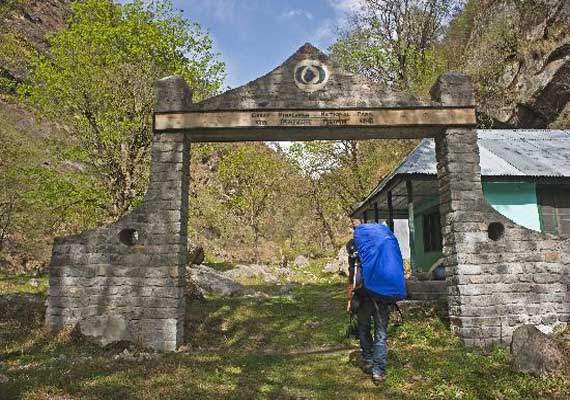
Great Himalayan National Park nominated for World Heritage tag
New Delhi: The Great Himalayan National Park (GHNP) of Himachal Pradesh has been nominated for the prestigious UNESCO-approved World Heritage Site status. The International Union for Conservation of Nature (IUCN), the advisory body to the
Read all the Breaking News Live on indiatvnews.com and Get Latest English News & Updates from India
Advertisement
Advertisement
-
Ladakh's Tso Kar Lake to be revived with 320 million litres of untapped glacier water daily

-
PLA deployment along LAC reduced, but threat remains, Defence Ministry report says
-
Rahul, Priyanka Gandhi meet Malaysian PM Anwar Ibrahim amid BRICS Summit; here's what they discussed
-
15 bilaterals in 3 days: Inside PM Modi's action-packed BRICS diplomacy
-
Doing politics over menu: Kiren Rijiju vs Rahul Gandhi over all vegetarian food at BRICS gala dinner
Top News
-
17 NCPI MPs to join BJP before or after Durga Puja, claims rebel TMC leader; saffron party denies
-
Pakistan hikes bounty on Jaish chief Masood Azhar to PKR 70 lakh in bid to avoid FATF grey list
-
Gurugram woman biker chased and hit by car speaks out: 'Will be filing FIR this evening'
-
Exclusive: Kanikka Kapur on comparisons with Kiara Advani, being mistaken for singer Kanika Kapoor
Advertisement
Advertisement