
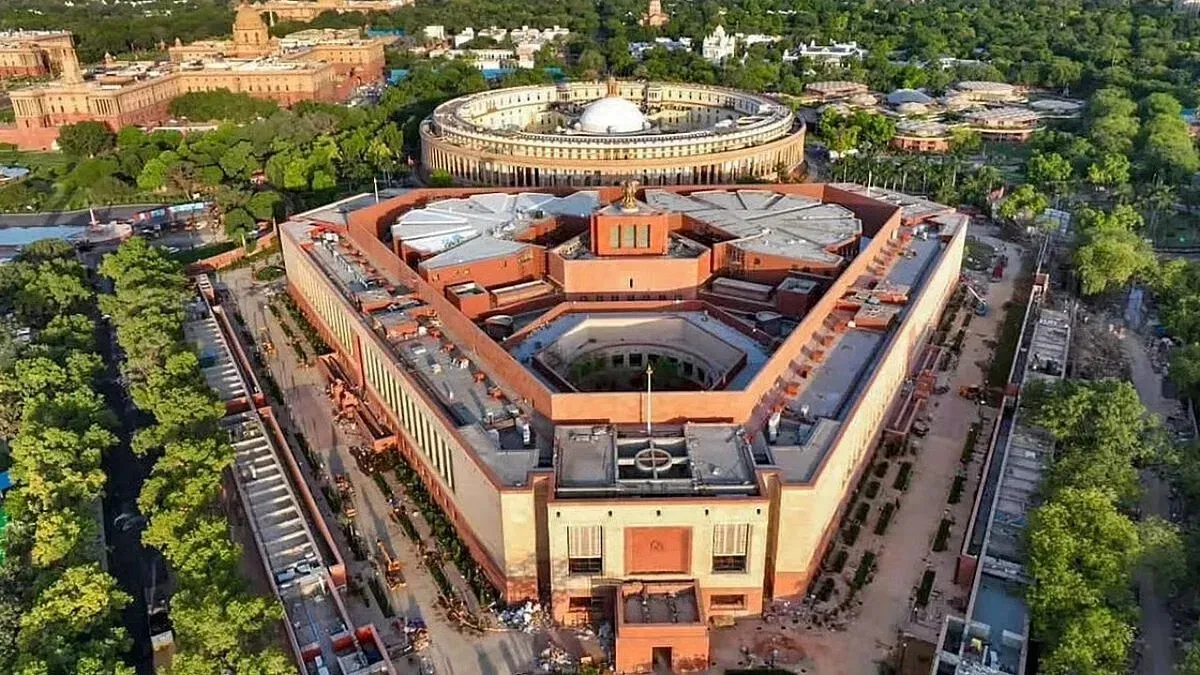
India's Parliament, the supreme legislative body of the country, functions through three main sessions each year. These sessions are critical for discussing, debating, and passing legislation, approving budgets, and addressing public policy matters. Here's a breakdown of the three main sessions of the Indian Parliament:
1. Budget Session (February – May)
Purpose:
The Budget Session is the longest and most significant of the three. It is primarily focused on financial business, including the presentation and passage of the Union Budget.
Key Features:
- Begins with the President’s Address, which outlines the government’s policy agenda for the year.
- The Finance Minister presents the Union Budget, which includes estimates of government revenue and expenditure.
- Parliamentary committees examine the budget allocations for various ministries.
- It also includes a general discussion on the budget and demands for grants.
Duration:
Usually starts in the last week of January or the first week of February and continues till early May, with a recess in between.
2. Monsoon Session (July – August)
Purpose:
Held during the monsoon season, this session is typically focused on legislative business, policy matters, and discussions on key national and international issues.
Key Features:
- Debates on important bills and national issues.
- Question Hour and Zero Hour sessions where MPs can raise matters of urgent public importance.
- Review of government performance and actions.
Duration:
Generally held from mid-July to late August or early September, though the exact dates may vary.
3. Winter Session (November – December)
Purpose:
This session allows the government to introduce and pass pending bills and discuss issues of national interest before the year ends.
Key Features:
- Usually has a shorter agenda but can be politically intense.
- Legislative business often includes economic, social, and administrative matters.
- Important for wrapping up any legislative backlog.
Duration:
Typically runs for 3–4 weeks from mid-November to mid-December.
Why these sessions matter
These three sessions ensure that Parliament meets at regular intervals to hold the government accountable and discuss public matters. The Indian Constitution mandates that the gap between two sessions should not exceed six months, ensuring consistent legislative oversight.
While these are the traditional sessions, special sessions can also be convened when needed, such as for constitutional amendments, emergency situations, or major national events.
The Budget, Monsoon, and Winter sessions are the backbone of India’s parliamentary democracy. Each session serves a distinct purpose, contributing to governance, lawmaking, and upholding democratic accountability. Understanding these sessions is essential for any citizen who wants to stay informed about how the country is governed.
