
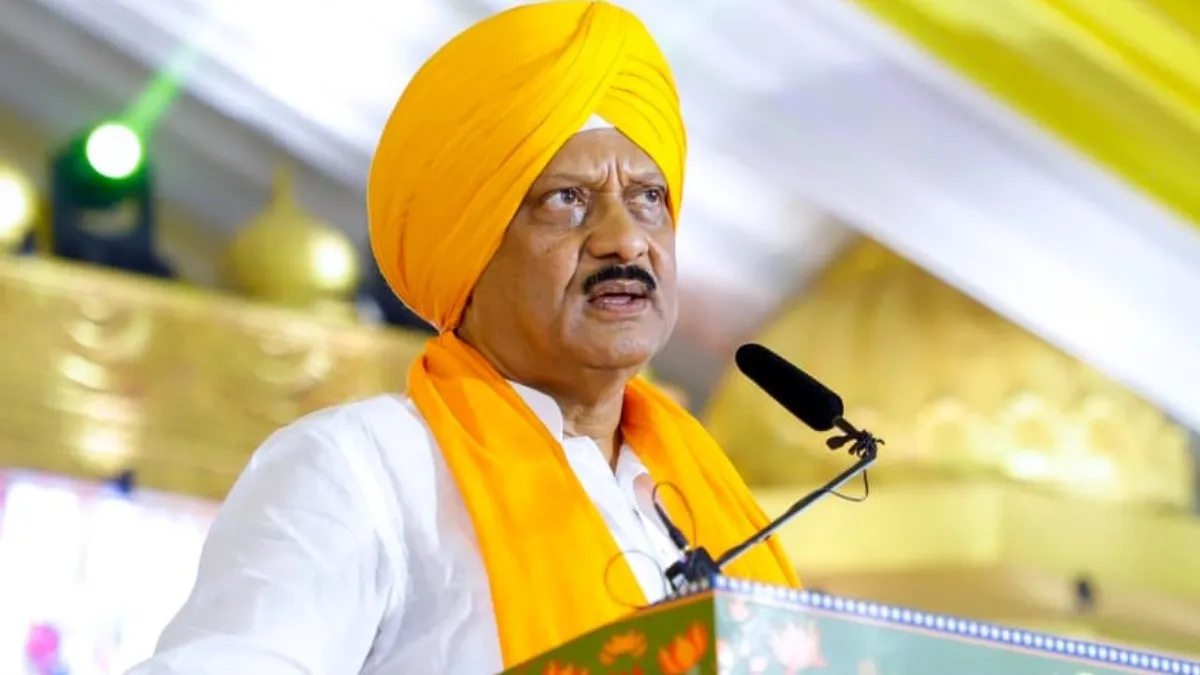
The death of Deputy Chief Minister Ajit Pawar in a plane crash on Wednesday shocked Maharashtra and brought attention back to the Pawar family's powerful political legacy. The Pawar name has been closely associated with rural politics, the cooperative movement in Maharashtra, and the shifting power dynamics in Delhi and Mumbai for decades.
Ajit Pawar, often called 'Dada,' played a key role in that legacy. Read further to know about his family tree and political journey.
The Pawar family lineage
The Pawar family’s political influence comes from Baramati. This region has been a hub for cooperative institutions and farming politics in western Maharashtra. Ajit Pawar, who was born on 22 July 1959, hails from Deolali Pravara, Ahmednagar district. He comes from a family with rural and public life. The association of his grandparents, Govindrao Pawar and Sharda Pawar, with Baramati Farmers’ and co-op trading is extensive. Govindrao Pawar’s participation in cooperative institutions and Sharda Pawar’s handling of agriculture ensured the family’s long-standing connection with grassroots.
This combination of cooperative economics and rural leadership became the political strength of the Pawar family long before the electoral victories came.
Ajit Pawar's immediate family
The family was exposed to urban life while being strongly rooted to their village. Ajit Pawar's father Anantrao Pawar worked at Rajkamal Studios in Bombay with director V. Shantaram. Anantrao, the elder brother of Sharad Pawar, is the link between Ajit Pawar and one of India’s leading politicians.
Ajit had two brothers. His elder brother, Shriniwas Pawar, became a businessman and not active politician. Ajit Pawar's sister, Vijaya Patil, worked in the media until her death in 2017. Although their careers differed, the family remained close-knit, with Ajit being the most politically visible in his generation.
Ajit Pawar and Sharad Pawar
Ajit Pawar's political journey is tied to Sharad Pawar's relationship. Sharad Pawar, a four-time Chief Minister of Maharashtra, former Union Minister, and founder of the Nationalist Congress Party, undisputed patriarch of the Pawar family, is one of the most seasoned political strategists in India.
As Ajit Pawar grew up, he observed his uncle in state and national politics and making coalitions, managing crises and power consolidation. He plunged into politics due to the towering stature, networks and political acumen of Sharad Pawar.
Ajit achieved his first major electoral victory in 1991, when he was elected to the Lok Sabha (House of the People) from Baramati. He gave up the post within six months, after Sharad Pawar joined the Narasimha Rao government as defence minister. This episode highlighted the political strategy of putting family first of the Pawars.
Ajit then decisively entered state politics after winning the Baramati Assembly seat, which has been regarded as the Pawar family fief. Ajit was taken in as minister of state under Sharad Pawar who built in the person a gradually greater authority.
From devoted nephew to independent player
The establishment of the Nationalist Congress Party in 1999 proved significant for Sharad and Ajit Pawar. Ajit joined Sharad’s new party, evolving into a potent organisational leader, when Sharad broke away from the Congress.
When he was just 40, Ajit Pawar was made the Youngest Cabinet Minister in the Vilasrao Deshmukh government with irrigation. Over a span of almost a decade, he established an independent political base, especially in western Maharashtra, by gaining control over cooperatives, irrigation projects, and local institutions.
As Ajit’s power increased, so did disputes between the family. Unlike the style of Sharad Pawar, Ajit was known for his brusque behaviour and not being patient to internal dissent. Sharad Pawar raised questions about Ajit’s capacity for the top job due to aggressive politics and sensitive decisions, a BJP allegation.
Supriya Sule!
Braiding in more complexities were family dynamics as Sharad Pawar's daughter Supriya Sule came powering in. Sule was a Member of Parliament and a national face of the NCP. This was someone with a different style of leadership. Measured, communicative, and nationally oriented.
The presence of multiple power centres within the family, namely that of Sharad Pawar, Ajit Pawar, and Supriya Sule often led to speculation about more than one succession and control. Through the years Sharad Pawar was the glue that held all of them together. Ajit Pawar’s later political activity suggested that he wanted to operate independently of the family.
The 2023 break: Party divide
The most significant split in the Pawar family occurred in 2023. Ajit Pawar led a major break from the NCP, leaving Sharad Pawar's faction to join the BJP and Shiv Sena alliance. By doing this, Ajit became Deputy Chief Minister. He chose power in the government over loyalty to his uncle’s camp. This move created a historic divide in the Pawar political legacy. It separated party workers, cooperative institutions, and even family loyalties. It highlighted how Ajit Pawar had changed from being Sharad Pawar’s protégé to an independent and rival source of power.
Wife and children
Ajit Pawar was married to Sunetra Pawar, the daughter of former Maharashtra minister Padamsinh Bajirao Patil. She took part in social initiatives and worked on local community issues. She often accompanied Ajit at public events and welfare programs. During times of political unrest, Sunetra served as a calming presence, managing public duties alongside family responsibilities.
The couple had two sons, Parth Pawar, who entered politics and ran in the 2019 Lok Sabha elections from the Maval constituency but faced a significant defeat and Jay Pawar, who chose to pursue business interests and kept a low public profile, although he remained closely connected to the family's political activities.
Also Read: Ajit Pawar, Maharashtra Deputy Chief Minister, dies in plane crash in Baramati
