
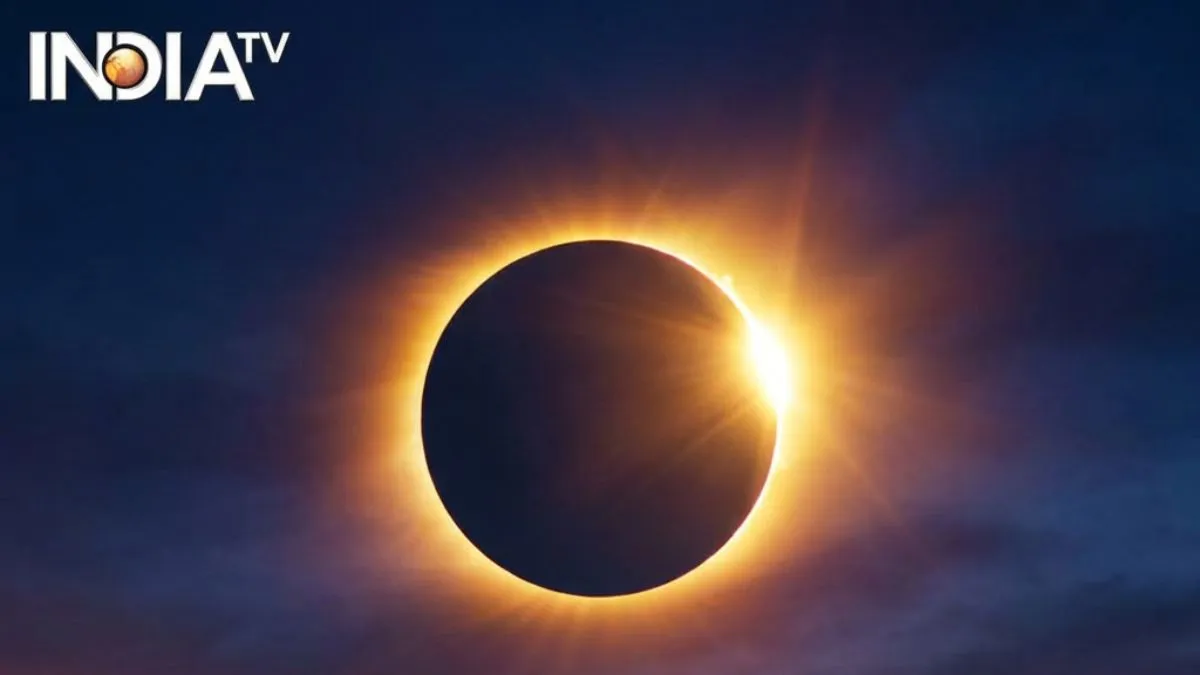
The second Surya Grahan of 2026 is probably one of the hottest topics amongst other astronomical phenomena of the year. Already the astronomy lovers, those who are interested in astrology as well as the devotees have begun gathering information regarding the grahan (eclipse). According to reports, the upcoming solar eclipse will take place on Wednesday, August 12, 2026.
Astronomically, the eclipse is being described as a major celestial event because of its long duration and global visibility across several parts of the world. Reports suggest that regions including parts of Europe, Greenland, Iceland and northern Spain may witness the eclipse clearly.
Surya Grahan 2026 date and timing
According to multiple reports, the solar eclipse will begin on the night of August 12 and continue into the early hours of August 13 as per Indian Standard Time.
- Surya Grahan 2026 timing in IST
- Eclipse begins: 9:04 PM IST
- Maximum eclipse: Around 11:15 PM IST
- Eclipse ends: Around 4:25 AM IST on August 13
This eclipse is expected to last several hours globally, making it one of the most significant eclipse events of the year for astronomers and eclipse enthusiasts.
Will Surya Grahan 2026 be visible in India?
As per the information available, the eclipse taking place in August 2026 will not be seen in India, since it will take place during nighttime in India. As the Sun cannot be seen from India at this point in time, the people of India cannot see the eclipse happening directly.
As the eclipse cannot be seen in India, according to many traditions, the concept of Sutak Kaal might not be applicable for the Surya Grahan.
Why this solar eclipse is considered special
Apart from its scientific significance, the solar eclipse of August 2026 has gained more popularity due to the religious and astrological significance associated with it in the Hindu religion. As per sources, the eclipse will take place in the Shravan month and Amavasya, which will add to the hype of the eclipse.
It should also be noted that experts recommend people not to watch a solar eclipse with their bare eyes as it can have a very negative impact on eyesight. Despite not seeing the eclipse directly from India, the eclipse holds great fascination for the whole world.
Also read: Seeking relief from Rahu-Ketu dosh? 5 famous temples devotees visit to overcome obstacles
