
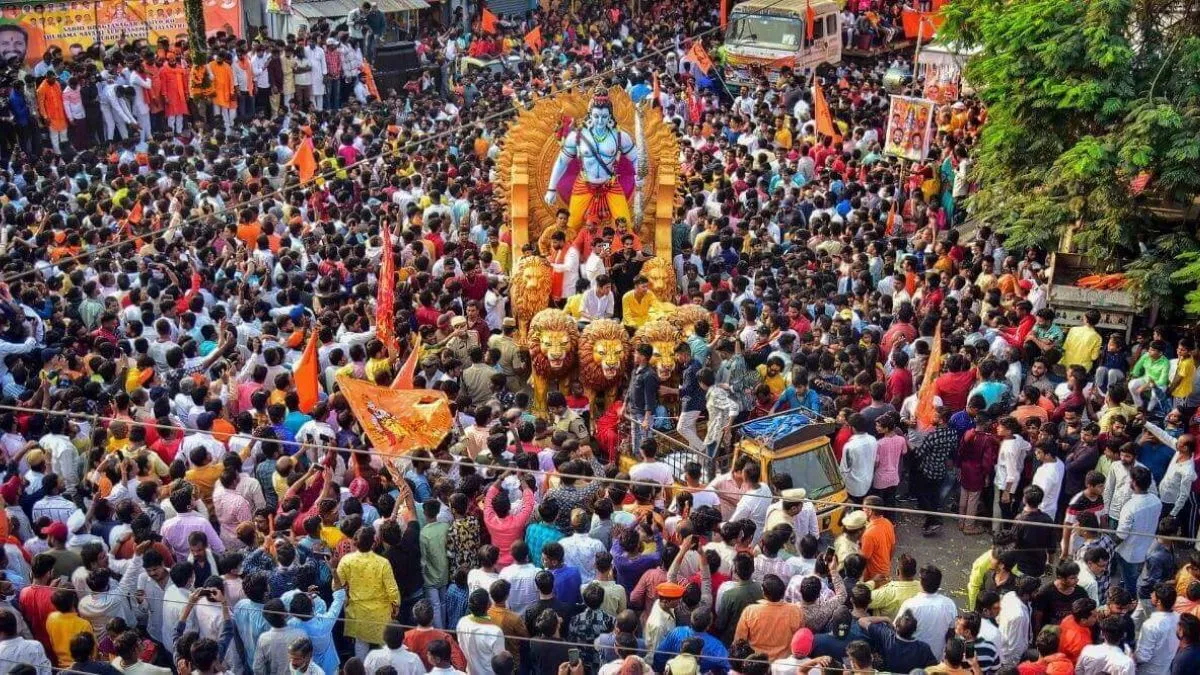
March usually sits in that in-between space. Not quite winter, not fully summer either. But this time, it is doing something more. The second half of March 2026 is lining up with a mix of festivals that rarely land this close together.
Across India, different calendars are overlapping. The Hindu New Year begins in several regions. Ramadan is nearing its close. And within a span of just a few days, celebrations shift from one tradition to another. Quietly intense. Almost back-to-back.
March 19 brings multiple celebrations together
Thursday, March 19, 2026, is not just another date. It marks the start of the lunar New Year in many parts of the country, along with the beginning of an important nine-day festival.
Here is what falls on the same day:
- Gudi Padwa is celebrated mainly in Maharashtra and Goa, marking the Marathi New Year. Homes put up the traditional Gudi, a decorated pole symbolising victory and good fortune.
- Ugadi is observed in Andhra Pradesh, Telangana and Karnataka as the Telugu and Kannada New Year. A special dish, Ugadi Pachadi, is prepared, blending different tastes to reflect the mix of experiences life brings.
- Chaitra Navratri (Day 1) also begins on this day, starting with ghatsthapana in the morning. It marks the beginning of nine days dedicated to Goddess Durga, often accompanied by fasting and daily prayers.
A lot happening. Same day. Different meanings depending on where you are.
Chaitra Navratri runs from March 19 to March 27
Once Navratri begins, it continues for nine days, ending on March 27 with Rama Navami. Each day is dedicated to a different form of Goddess Durga, with its own symbolism and energy.
The sequence unfolds like this:
- March 19: Maa Shailputri (yellow)
- March 20: Maa Brahmacharini (green)
- March 21: Maa Chandraghanta (grey)
- March 22: Maa Kushmanda (orange)
- March 23: Maa Skandamata (white)
- March 24: Maa Katyayani (red)
- March 25: Maa Kalaratri (royal blue)
- March 26: Maa Mahagauri (pink) – Ashtami
- March 27: Maa Siddhidatri (purple) – Rama Navami
Many people follow these colours through the nine days. Not compulsory. Just a way of staying connected to the flow of the festival.
Eid ul-Fitr may fall on March 21
The end of Ramadan is expected around Saturday, March 21, 2026, though this depends on the sighting of the moon.
If the Shawwal crescent is seen on the evening of March 20, Eid will be observed the next day. The Islamic calendar moves differently from the Gregorian one, which is why Eid shifts earlier each year. This time, it overlaps closely with Navratri, creating an unusual but meaningful convergence.
Key public holidays to keep in mind
If you are planning time off or travel, these dates are worth noting:
- March 19 (Thursday): Ugadi and Gudi Padwa – regional holiday
- March 21 (Saturday): Eid ul-Fitr – gazetted holiday
- March 26 (Thursday): Rama Navami – gazetted holiday
- March 31 (Tuesday): Mahavir Jayanti – gazetted holiday
A week where calendars intersect
It does not happen often. Multiple traditions, different regions, all aligning within the same stretch of days.
For some, it will be about fasting and prayer. For others, new beginnings. And for many, just a chance to pause, take part, and move with the rhythm of the season.
ALSO READ: Chaitra Navratri 2026: Complete bhog list for Maa Durga’s nine forms from Shailputri to Siddhidatri
