
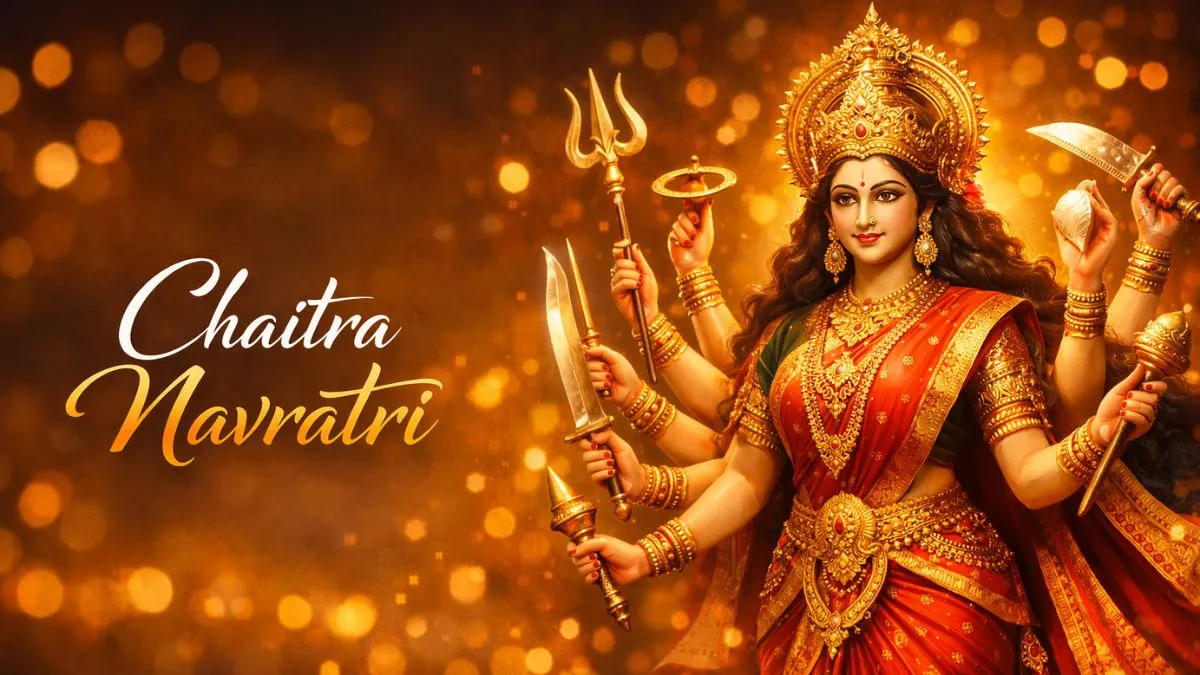
Chaitra Navratri is almost here, beginning on March 19 and continuing till March 27 this year. It marks nine days of devotion, each dedicated to a different form of Goddess Durga. The pace of life shifts a little during this period. People fast, visit temples, keep things simple. There is a rhythm to it.
At its core, Navratri is about faith and discipline. Many believe that sincere prayers during these nine days bring a sense of relief, clarity, even prosperity. Alongside rituals, specific offerings are made each day, each one linked to a particular form of the Goddess. Nothing overly complicated. Just thoughtful.
Day 1: Goddess Shailputri and a simple start
The first day is dedicated to Goddess Shailputri. Offerings are usually kept light and pure. Milk-based sweets, especially those made with ghee, are considered appropriate. A quiet, clean beginning.
Day 2: Goddess Brahmacharini and sweetness
On the second day, Goddess Brahmacharini is worshipped. Offering sugar or jaggery is common. It is believed to symbolise simplicity and bring a sense of calm and prosperity into the home.
Day 3: Goddess Chandraghanta and balance
The third day focuses on Goddess Chandraghanta. Devotees often offer milk or dry fruits. Something nourishing. Something balanced.
Day 4: Goddess Kushmanda and traditional flavours
Day four is for Goddess Kushmanda. Malpua is a popular offering here. Slightly indulgent, yes, but still rooted in tradition. It is said to invite positive energy.
Day 5: Goddess Skandamata and natural offerings
On the fifth day, Goddess Skandamata is worshipped. Bananas are typically offered. Simple, natural, and easy to share.
Day 6: Goddess Katyayani and gentle offerings
The sixth day honours Goddess Katyayani. Offerings like honey or sweet paan are common. Soft flavours. Subtle, but meaningful.
Day 7: Goddess Kalratri and strength
Day seven is dedicated to Goddess Kalratri. Jaggery is offered on this day. It is believed to bring protection and remove negativity. A slightly more intense energy compared to earlier days.
Day 8: Goddess Gauri and Ashtami rituals
The eighth day, Ashtami, holds special importance. Goddess Gauri is worshipped, and many people perform Kanya Puja. Offerings usually include halwa, puri, kheer, and coconut. A fuller spread. Shared with devotion.
Day 9: Goddess Siddhidatri and Navami puja
The final day is for Goddess Siddhidatri. It is believed that prayers on this day can fulfil wishes. Devotees often offer chickpeas and halwa. Kanya Puja is also performed in many homes, marking the close of the festival.
What these nine days reflect
Each day carries its own tone. Different offerings, different forms, but the intention stays the same. Devotion, discipline, and a sense of grounding. Not elaborate. Just consistent, in its own way.
Disclaimer: The information provided here is based on religious beliefs and popular traditions. There is no scientific evidence to support it. India TV does not vouch for the accuracy of any of the information.
