
In a tragic turn of events, a stampede at the famous Mansa Devi Temple on Sunday morning resulted in the death of six devotees and left nearly 25 others injured. The incident occurred during early darshan hours when large crowds gathered for blessings at the revered shrine. Authorities are investigating the cause of the stampede, while rescue operations were promptly carried out.
The incident has once again drawn national attention to the Mansa Devi Temple — a sacred site nestled in the Shivalik hills of Haridwar, Uttarakhand. Devotees from across India throng to this temple year-round, believing that their heartfelt wishes are fulfilled by Goddess Mansa. But what makes this temple so significant in India’s spiritual landscape? Here's a deeper look at its origin, mythological importance, and enduring faith.
Where is Mansa Devi temple?
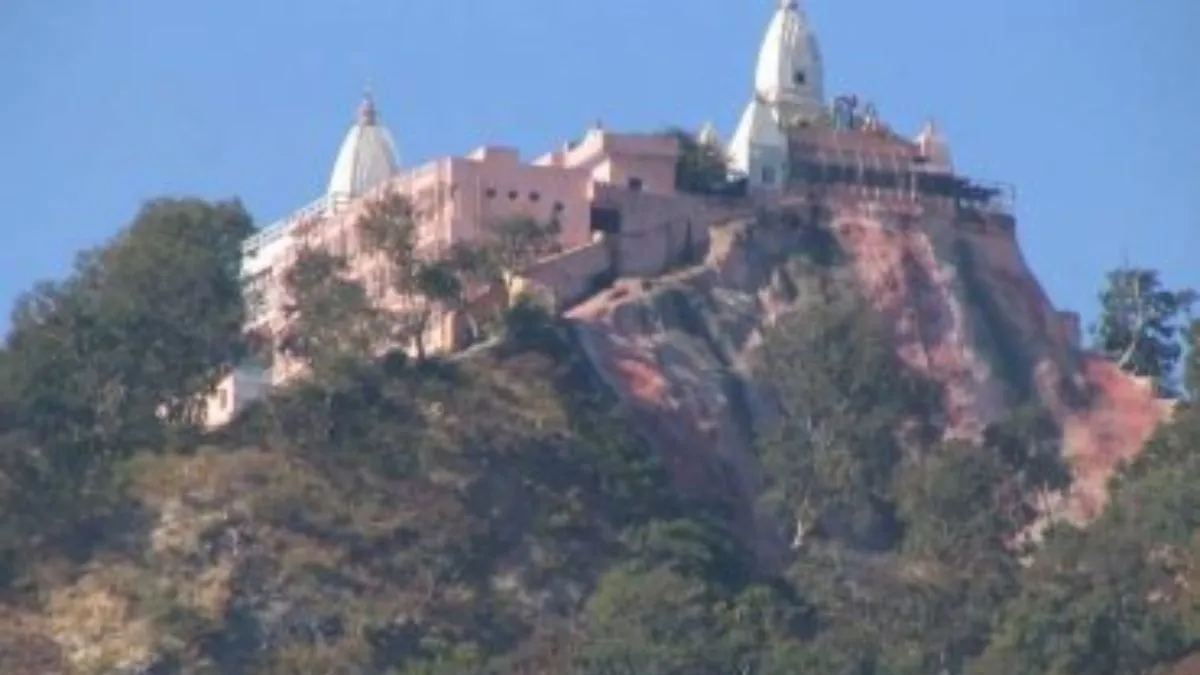
Located atop the Bilwa Parvat (a part of the Shivalik range) in Haridwar, Uttarakhand, the Mansa Devi Temple is one of the most visited Shakti Peethas in North India. Dedicated to Goddess Mansa, an incarnation of Shakti, the temple draws lakhs of pilgrims each year. A unique tradition associated with the temple is tying sacred threads to the branches of the 'Snohi' tree found within the temple premises. It is believed that the Goddess grants the wishes of those who perform this ritual with pure devotion.
When was Mansa Devi temple built?
The historic shrine was built between 1811 and 1815 by King Gola Singh. Legend has it that after the cosmic churning of the ocean (Samudra Manthan), a few drops of divine nectar (amrit) accidentally fell on this site, sanctifying it forever. The temple now houses two distinct idols of the Goddess — one with three faces and five arms, and another with eight arms. Goddess Mansa is depicted seated on a lotus and serpent, symbolising fertility, protection, and wish fulfilment.
What is the mythological significance of Mansa Devi temple?
According to the Skanda Purana, Mansa Devi is considered the tenth form of the Divine Goddess. Mythology recounts that when the demon Mahishasura defeated the gods, they prayed to the Goddess for protection. In response, she appeared and vanquished Mahishasura. The grateful gods worshipped her and requested that she continue fulfilling the heartfelt desires (manasa) of her devotees in the Kali Yuga (the present era).
It is also believed that after the battle, the Goddess rested near the peak of the Shivalik range, close to where the current temple stands. This divine pause is said to have inspired the construction of the Mansa Devi Temple at its present location.
Also Read: Stampede at Haridwar's Mansa Devi Temple; PM Modi expresses condolences
