
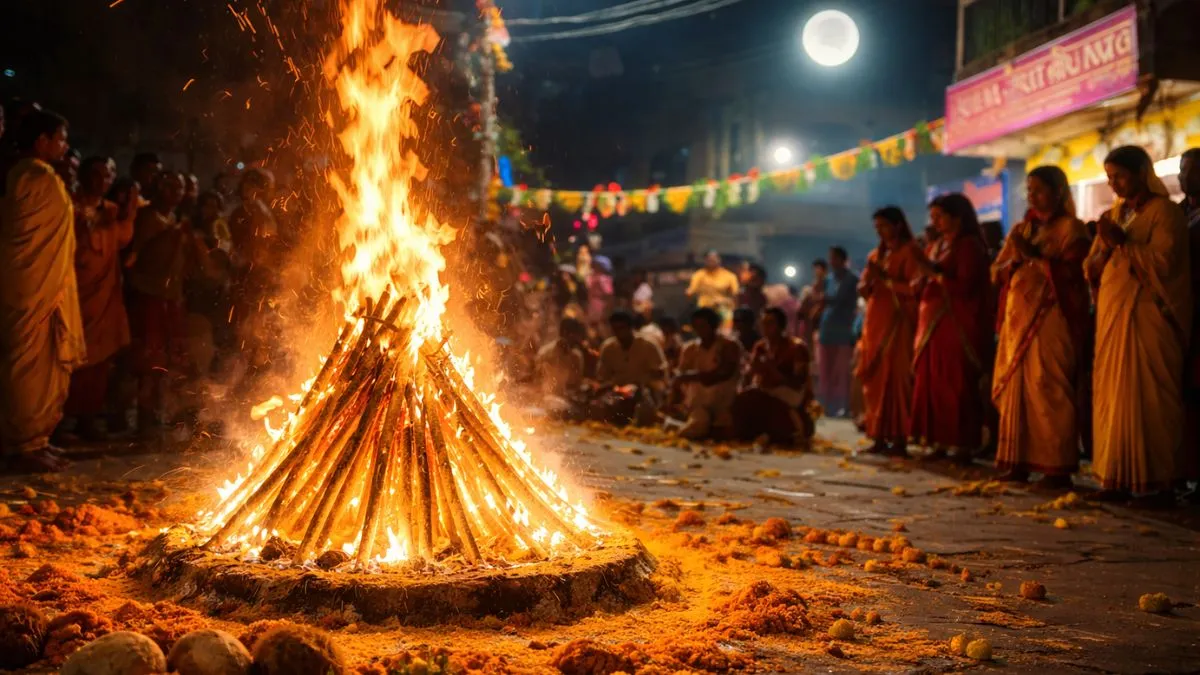
While people may associate Holi with the celebration of colours, laughter, and joy, the spiritual journey of Holi begins a day before, on Holika Dahan. Performed on the full moon night of Phalguna month, the ritual represents the victory of faith over arrogance, as well as the burning of all negativity before the advent of new beginnings.
In India, people across the country light the sacred bonfire, perform puja, make prayers, and circumnavigate the holy flame. Though people may be performing the rituals following the tradition set by their forefathers, few may understand the actual significance of what is being put into the flame and the importance of these rituals in the current context.
According to Sailendra S Raane, Founder of Mahati Wellness and Spiritual Wellness Leader, Holika Dahan is not just a ceremonial function, but a symbolic transformation in itself. “In Hinduism, every festival carries a purpose beyond celebration. Holika Dahan reminds us that before stepping into a new phase of life, we must cleanse ourselves emotionally and spiritually,” he explains.
Why is Holika Dahan performed?
The ritual is associated with the legend of the devotee Prahlad and the demon king Hiranyakashipu, in which devotion conquered ego and evil. The burning of Holika symbolises the elimination of ego and ill intentions. Spiritually, the fire is believed to purify both the environment and the mind. “Holika Dahan represents the victory of dharma over ego,” says Raane. “It teaches that growth begins only when we let go of negativity.”
What should you offer in the Holika Dahan fire?
Traditional offerings placed into the sacred fire carry symbolic meanings connected to prosperity, protection and gratitude.
Common offerings include:
- Whole grains such as wheat or chana, symbolising abundance and nourishment
- Coconut, representing surrender of ego and devotion
- Jaggery is associated with sweetness and harmony in relationships
- Turmeric and kumkum for auspiciousness and protection
- Dried cow dung cakes, considered sacred and linked to purification rituals
Many devotees also offer new harvest grains, sugarcane or sweets as a gesture of gratitude for prosperity received during the year. “Every offering represents an intention,” Raane explains. “When grains are offered, it symbolises gratitude for sustenance. Coconut reflects surrender, while turmeric and kumkum invite positive energy into life.”
The deeper spiritual meaning behind the ritual
Experts emphasise that Holika Dahan is not only about physical offerings. According to Raane, the most important offering is internal. “As devotees perform parikrama around the fire, they are encouraged to consciously release anger, fear, jealousy and past emotional burdens. Agni, or fire, is considered a divine witness that transforms what is offered into higher energy,” he says.
Circumambulating the fire while praying for family wellbeing is believed to create a psychological and spiritual sense of renewal.
Why Holika Dahan before Holi matters
Holika Dahan takes place just before the joyful celebration of colours, symbolising preparation before celebration. The ritual encourages reflection and emotional cleansing before stepping into a new season filled with positivity. “Holi celebrates joy and togetherness, but Holika Dahan prepares the mind for it,” Raane adds. “It is a reminder that true celebration begins when inner impurities are burned away.” When Holika Dahan coincides with the full moon, many spiritual practitioners believe the ritual becomes even more powerful. The combination of fire and lunar energy is seen as a symbolic balance.
“Fire represents purification while the full moon symbolises illumination and awareness,” Raane concludes.
Also read: Holika Dahan 2026 timing: City-wise auspicious muhurat across India
