
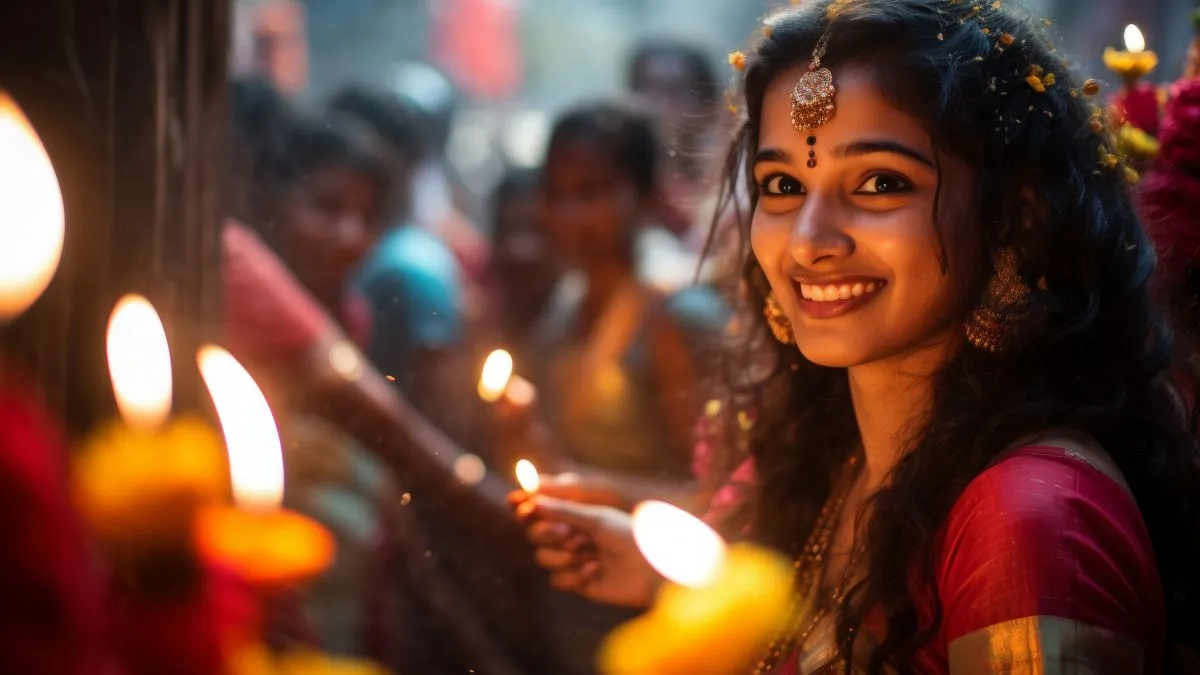
While the world welcomes the new year on January 1, the Hindu calendar is different. Its rhythm is shaped by the movement of the Sun and the Moon. In 2026, the Hindu New Year, also known as Hindu Nav Varsh, begins in March, marking the start of Vikram Samvat 2083.
Observed across regions under different names and customs, the day symbolises renewal, fresh beginnings, and a return to balance, both spiritual and seasonal.
Hindu New Year 2026 date
In the year 2026, Hindu Nav Varsh will be celebrated on Thursday, the 19th of March, marking the occasion of Chaitra Shukla Pratipada, the first day of the bright phase of the lunar fortnight in the month of Chaitra.It is regarded as the start of the Hindu New Year as per the lunar calendar in various regions of India.
Why Chaitra Shukla Pratipada matters
Chaitra Shukla Pratipada marks the beginning of creation according to Hinduism. Scriptures associate this day with Lord Brahma starting the cosmic cycle, which is why it is seen as an especially auspicious time to begin new ventures, rituals and resolutions.
Regional New Year celebrations on the same day
Though the date is the same, the festival takes on different cultural identities across India.
In Maharashtra, this day is observed as Gudi Padwa, where the Gudi is hoisted outside every house, symbolically representing victory, prosperity, and protection from evil. In Andhra Pradesh, Telangana, and Karnataka, the coming year is marked by the festival of Ugadi, which often kicks off with temple visits and the tradition of consuming Ugadi Pachadi, which encompasses the various tastes of life.
In several North Indian states, the day is recognised simply as Hindu Nav Varsh or Nav Samvat, with prayers, almanack readings and quiet family rituals.
Chaitra Navratri begins
The Hindu New Year is also anticipated as the commencement of Chaitra Navratri, nine days of celebrations for the Goddess Durga. Starting March 19, devotees observe fasting, perform their pujas, and, internally, start all over again as they welcome the Hindu New Year because of its religious and personal significance. More than a date on the calendar
Contrary to a rigid Gregorian calendar, a Hindu "Nav Varsh" has to be fluid, cyclical, and reflective. It isn’t about "countdowns" to an event; "Nav Varsh" involves the convergence of time, nature, and purpose.
Also read: January 2026 festival list: Hindu fasts, vrat dates and major festivals
