
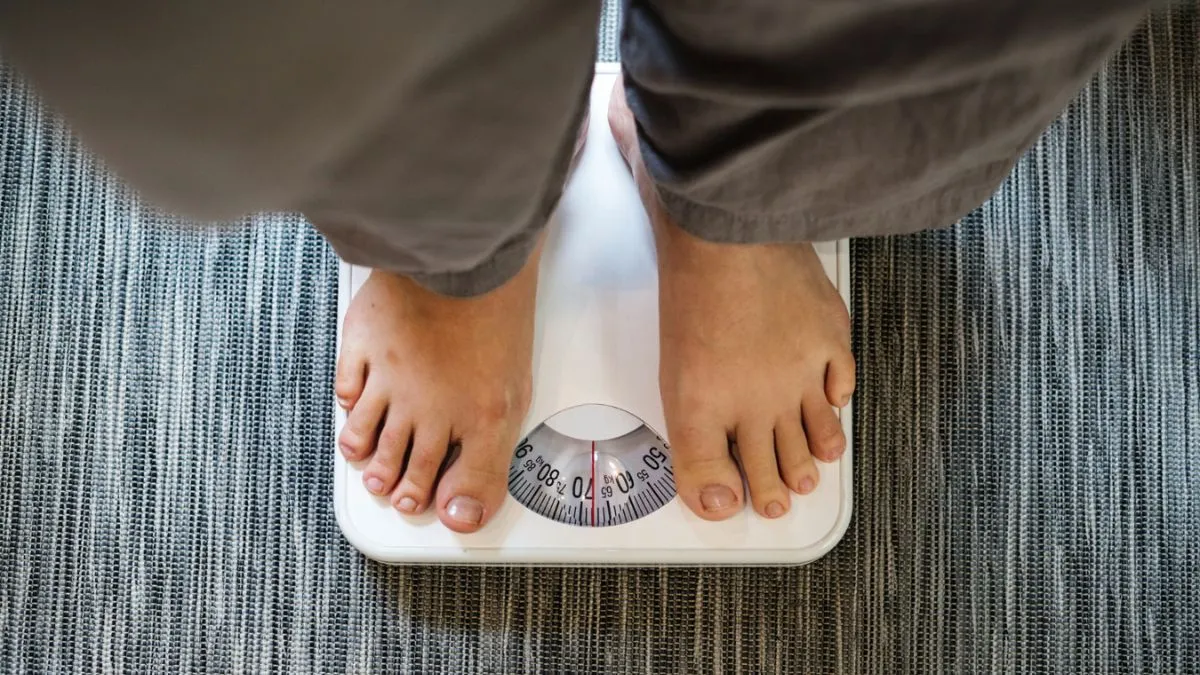
Weight loss is a long game and usually works best when it happens gradually. Still, we are already four weeks into 2026, and many who made a serious New Year’s resolution to get fitter are understandably keen to see some early signs that things are moving in the right direction. Stepping on the weighing scale is often the first instinct. It is not something only beginners do. Even people who work out regularly and stay mindful of their health use the scale to keep track.
The issue, however, is not the scale itself. It is when and how the measurement is taken. Weight can fluctuate easily based on timing and daily habits, and that can make the number misleading rather than useful. Taking to Instagram, Alex, a NASM-certified personal trainer, shared seven situations where weighing yourself can give an inaccurate reading and why it is better to avoid the scale at these times.
7 situations when you shouldn’t weigh yourself
1. After eating or drinking anything
Food and water add immediate weight. This is not fat gain. It is simply what is sitting in the stomach at that moment, which makes the number unreliable.
2. During periods
Hormonal changes cause water retention and bloating, Alex shared. This can push the scale up by two to five pounds, which usually settles once the cycle ends.
3. After a night of drinking alcohol
Alcohol disrupts hydration levels. Some people retain water and weigh more, while others become dehydrated and weigh less. Either way, the number does not reflect reality.
4. Immediately after a workout
Sweating leads to temporary water loss, making the body appear lighter. This drop has nothing to do with fat loss and should not be taken seriously.
5. At random times during the day
Body weight naturally shifts throughout the day. Alex cautioned that weight can fluctuate between two to six pounds from morning to night, making random check-ins confusing.
6. After eating a very salty meal
High sodium intake causes water retention. This can increase body weight by two to four pounds overnight, even though no actual weight has been gained.
7. After a cheat day or high-carb day
Carbohydrates hold water. Each gram of glycogen stores around three grams of water, which can make body weight appear three to six pounds higher than usual.
When is the best time to weigh yourself?
According to Alex, the most reliable time is in the morning, after using the bathroom and before eating or drinking anything. This gives the most consistent baseline reading. He also added a simple reminder. Avoid weighing yourself in heavy clothing. Keep it minimal, so the number reflects your body, not what you are wearing.
Disclaimer: Tips and suggestions mentioned in the article are for general information purposes only and should not be construed as professional medical advice. Always consult your doctor or a dietician before starting any fitness programme or making any changes to your diet.
ALSO READ: What a healthy weight really looks like at different ages and heights
