
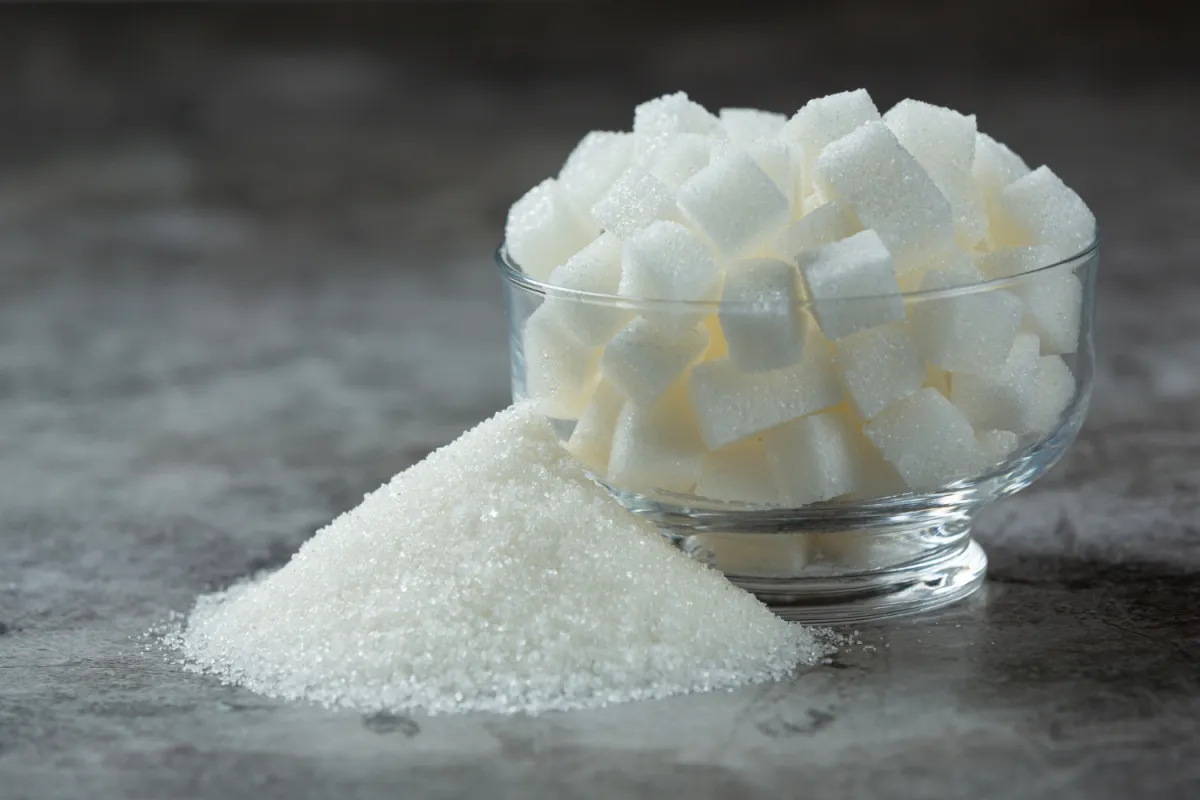
In India, sweetness is rarely optional. It sits quietly in everyday rituals. Morning chai with biscuits. Midday coffee. Something sugary after meals. It adds up without most people noticing. Which is exactly where the concern begins.
With rising cases of diabetes, weight issues and metabolic disorders, conversations around sugar alternatives have picked up pace. Hyderabad-based neurologist Dr Sudhir Kumar recently stepped into that space, weighing in on what he considers the healthiest sweetener swap.
The sweetener debate, simplified
Taking to X on February 6, Dr Kumar posed a straightforward question to his followers. “Which is the healthiest sweetener?” His answer was direct. Stevia. He positioned it as a practical option for those who want sweetness without the metabolic baggage that comes with refined sugar.
Why stevia gets the doctor’s vote
According to him, stevia ticks several health boxes at once. It contains zero calories. It does not spike blood sugar or insulin levels, which makes it suitable for people managing diabetes. Dental health also remains unaffected. And because stevia is far sweeter than regular sugar, only a very small quantity is needed to achieve the same taste.
As he put it, “The answer is: Stevia. Why is it the healthiest? Zero calories. Does not raise blood sugar or insulin. Safe for diabetics. No effect on teeth. Very small amounts needed. Safe for daily use, such as with tea or coffee.”
A cultural disclaimer around sweet habits
Dr Kumar also acknowledged that cutting sugar entirely is easier said than done, especially in a country where sweetened beverages are routine. “I like to have my tea and coffee without a sweetener; but I know there are people who can't have un-sweetened tea/coffee,” he added, recognising how deeply taste habits are wired.
What exactly is stevia
Stevia is a plant-derived sweetener extracted from the leaves of Stevia rebaudiana, a species native to South America. Indigenous communities have used it for generations to sweeten herbal drinks and medicines. Only in recent decades has it entered mainstream global diets as a sugar substitute, largely due to its zero-calorie profile.
Monk fruit as another alternative
While stevia was his top recommendation, Dr Kumar did mention monk fruit as another viable sweetener option. Replying to a user, he noted, “Monk fruit is also good (may be more expensive though).” The catch, according to him, lies in accessibility and cost, which may limit everyday use for many consumers.
The wider sugar concern
The conversation sits within a larger public health context. The World Health Organization recommends limiting free sugar intake to under 10 percent of daily energy consumption. Ideally, dropping below 5 percent, roughly 25 grams or six teaspoons a day, brings added benefits.
But with hidden sugars in packaged foods and habitual sweetening of drinks, most people overshoot these limits without realising it. The long-term fallout ranges from obesity to type 2 diabetes and even neurological complications.
Disclaimer: Tips and suggestions mentioned in the article are for general information purposes only and should not be construed as professional medical advice. Always consult your doctor or a dietician before starting any fitness programme or making any changes to your diet.
ALSO READ: Struggling with high uric acid despite avoiding non-veg foods? Delhi doctor explains why
